
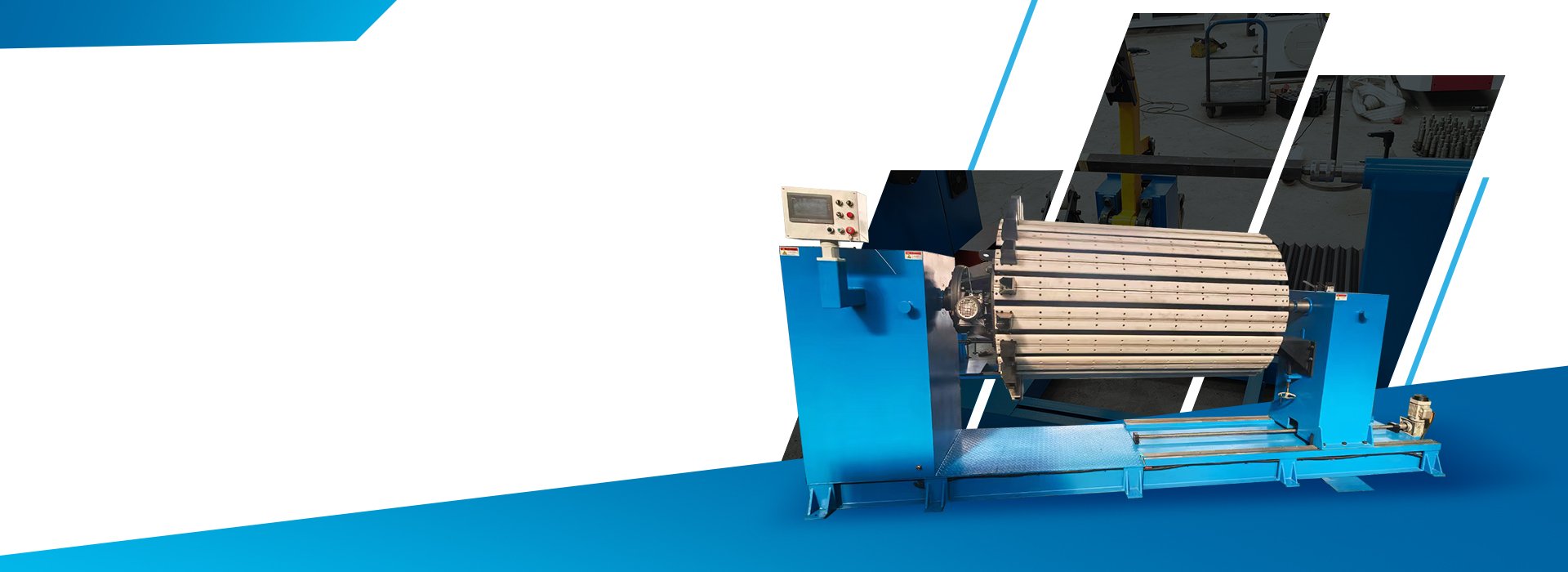
What Makes a Transformer Winding Machine Automatic?
An automatic transformer winding machine coordinates selected winding functions through a control system. These functions may include spindle speed, turn counting, wire traversing, tension adjustment, programmed stopping and recipe storage.
The word “automatic” does not necessarily mean that conductor loading, threading, insulation placement, lead handling, coil removal and inspection are completed without an operator. Confirm every automatic and manual step in the approved function list and FAT plan.
| Function | What to Confirm |
|---|---|
| Spindle Control | Speed setting, direction, acceleration and stopping |
| Turn Counting | Counting method, reverse counting and memory |
| Wire Traversing | Controlled axis, pitch, range and synchronization |
| Tension Control | Manual, magnetic-powder, servo or closed-loop method |
| Coil Handling | Which loading, insulation and unloading steps remain manual |
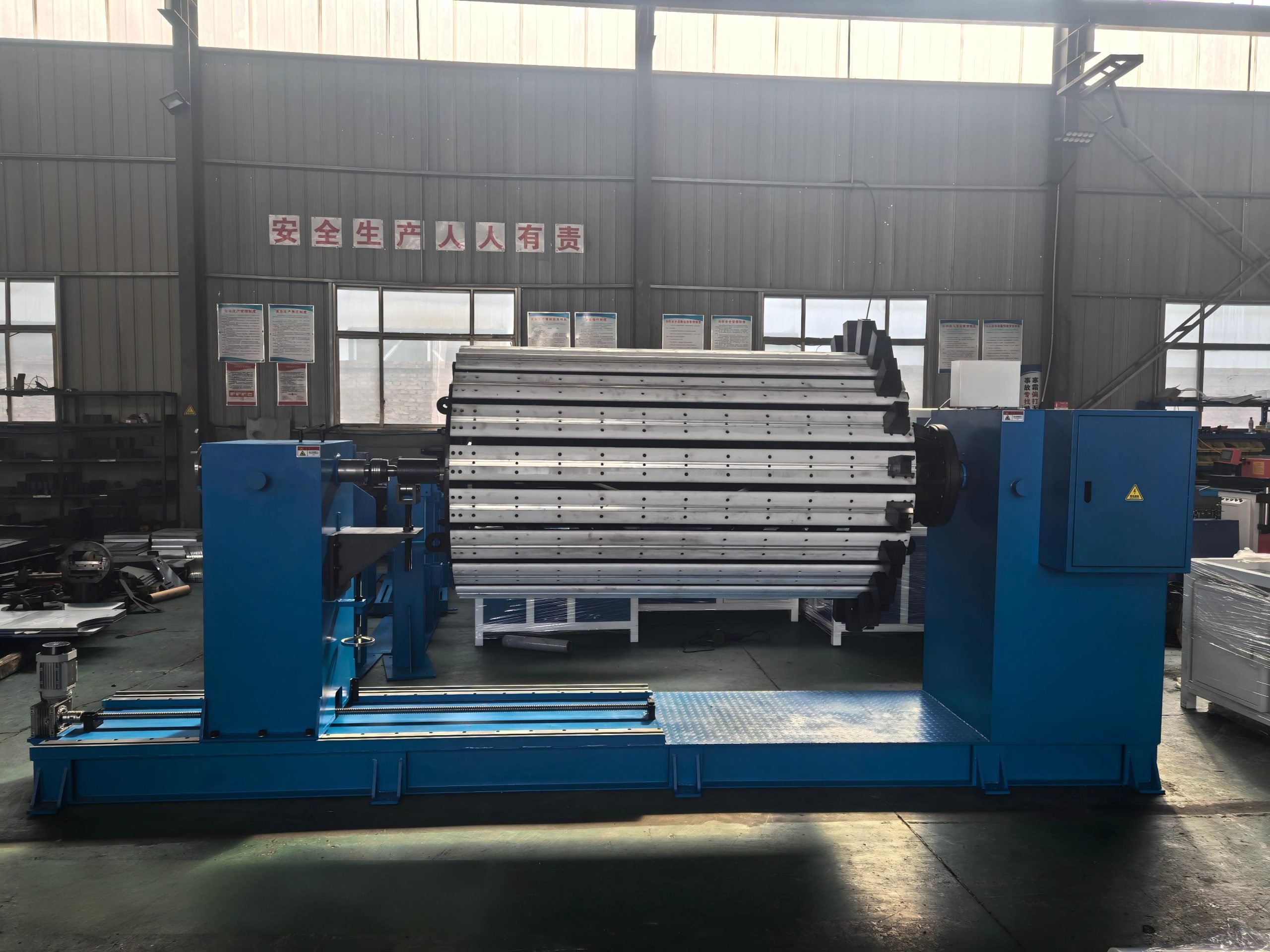
Automatic Transformer Winding Machine Manufacturer for Drawing-Based Production
FengHua configures automatic transformer winding machines according to the approved coil and mandrel drawings rather than only the transformer power rating.
Before quotation, the engineering review should confirm the transformer application, conductor material, conductor shape and cross-section, coil internal and external dimensions, axial height, maximum winding load, mandrel interface, number of turns, winding direction, layer structure, tension method, insulation process, lead positions and required output.
The technical quotation should identify the exact machine model, automatic and manual functions, spindle system, winding load, speed and torque range, wire-traversing system, tension-control method, turn-counting method, included fixtures, electrical configuration, safety functions, FAT samples, documentation, warranty and spare-parts scope.
Fenghua CNC Automatic Transformer Winding Machines
For recurring wire-wound coils requiring coordinated spindle rotation and conductor traversing. Confirm the controlled axes, traverse range, pitch setting, synchronization method, program storage and first-layer setup.
For multi-layer high-voltage wire coils requiring controlled wire laying, layer structure and insulation placement. Confirm the conductor range, tension method, winding direction, traverse pitch and insulation workflow.
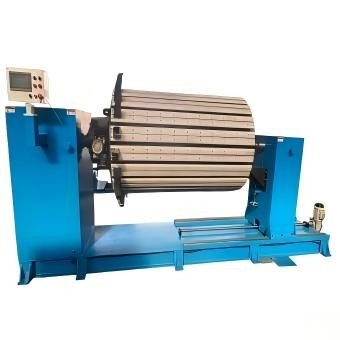
For low-voltage transformer coils produced from round wire, rectangular wire or approved strip conductors. Confirm winding load, torque, mandrel design, guiding system and conductor compatibility.
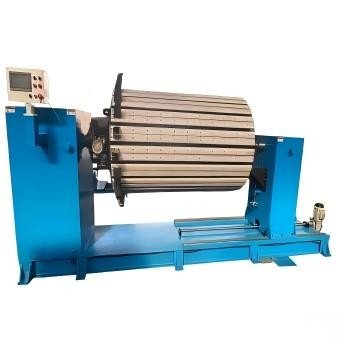
For projects requiring special coil loads, conductor guides, mandrels, tension systems, insulation devices, operator layouts or production-line interfaces. Final functions and parameters are defined in the approved technical quotation.
Which Automatic Transformer Winding Configuration Should You Choose?
| Production Requirement | Starting Configuration | Main Check |
|---|---|---|
| Repeated wire coils | Automatic wire-traversing machine | Traverse, pitch and synchronization |
| Multi-layer HV coils | Automatic HV winding machine | Tension, insulation and layer structure |
| LV wire or strip coils | Automatic LV winding machine | Load, torque, guide and mandrel |
| Special coils or line integration | Customized automatic system | Function list, interfaces and FAT |
The machine name alone does not confirm the automation level. Final selection should be based on the approved conductor, coil drawing, mandrel, winding process, and function list.
Fenghua CNC Automatic Transformer Winding Machine Features

The approved configuration should list every automatic and manual production step. PLC or touchscreen control alone does not prove complete production-line automation.

Confirm the counting sensor, display range, reverse counting, power-off memory, deceleration method and stopping test under the agreed winding load.

Confirm the traverse axis, pitch range, synchronization method, conductor guide and whether tension is manually adjusted, magnetic-powder controlled, servo controlled or closed-loop controlled.

Confirm the winding shaft, mandrel connection, tailstock support, allowable dynamic load, braking, guards, emergency stops and safe coil-loading method.
Customized Automatic Transformer Winding Machines
A customized winding-machine configuration should begin with the coil, conductor and mandrel drawings.
FengHua reviews the required winding load, coil dimensions, conductor specification, winding direction, number of turns, layer structure, wire-traversing range, tension method, insulation process, lead positions, operator layout and workshop space.
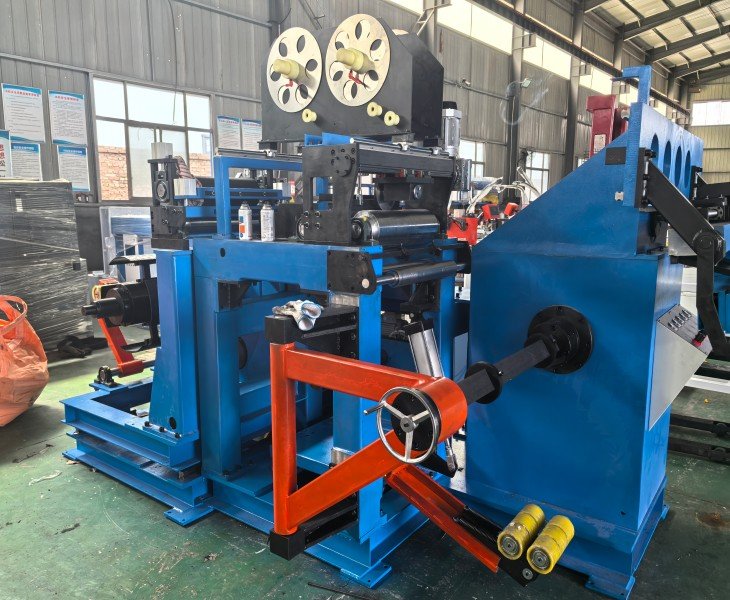
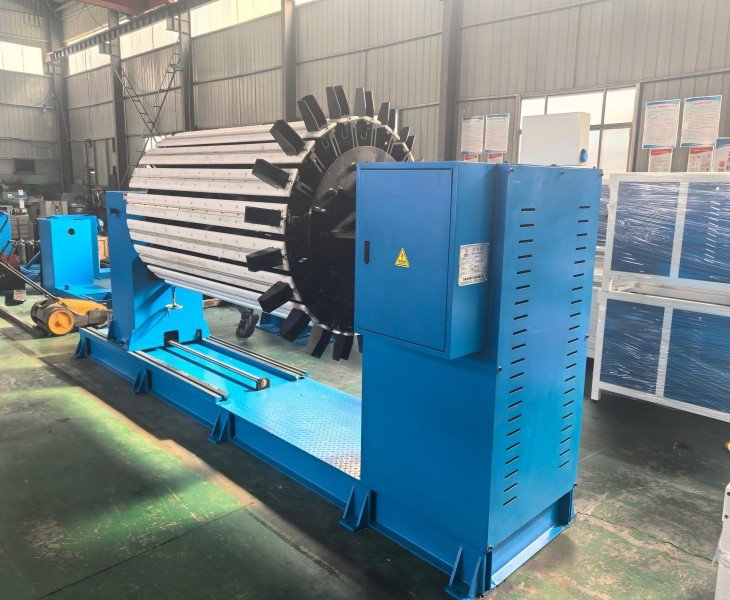
The approved layout should identify the machine outline, effective winding length, mandrel interface, conductor path, control-cabinet position, tension-device position, loading clearance, maintenance clearance and utility connections.
How Should Turn Counting Be Verified?
Turn counting should be verified as a complete process rather than from the presence of an encoder alone. Confirm how the system counts forward and reverse rotation, stores the count after power loss, decelerates near the target and records the final displayed value.
During FAT, compare the displayed turn count with a known number of spindle revolutions. Record the counter range, resolution, stopping method, reverse-counting logic and power-off memory result.
| Check | What to Test |
|---|---|
| Forward Count | Known spindle revolutions |
| Reverse Count | Count reduction during reverse winding |
| Target Stop | Deceleration and final stop |
| Memory | Count retained after power interruption |
How Should Winding Tension Be Controlled?
The tension system should be selected according to the conductor material, shape, cross-section, insulation, winding speed and coil structure.
The quotation must state whether the approved machine uses manual resistance adjustment, mechanical braking, magnetic-powder braking, servo control or closed-loop tension feedback. If tension is coordinated with spindle speed, identify the sensor, control logic, adjustment range and FAT method.
Do not describe the machine as maintaining constant tension throughout the entire winding cycle unless this has been verified using the approved conductor and operating speed range.
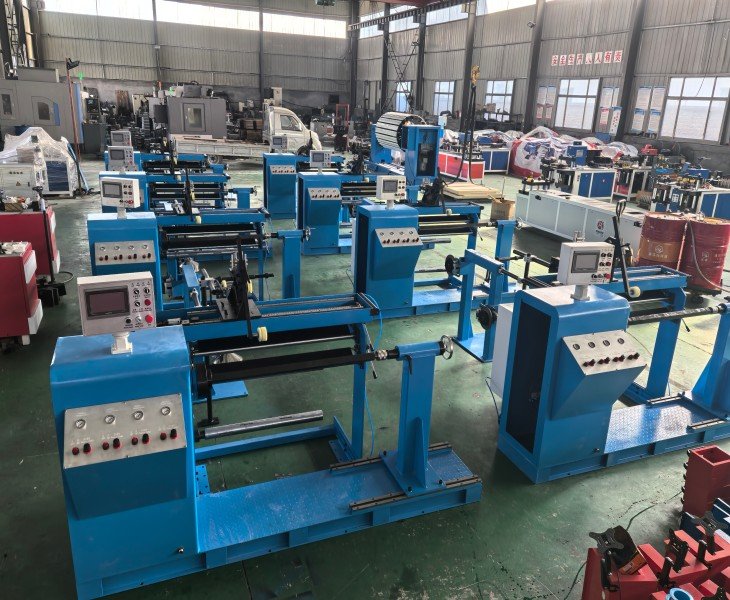
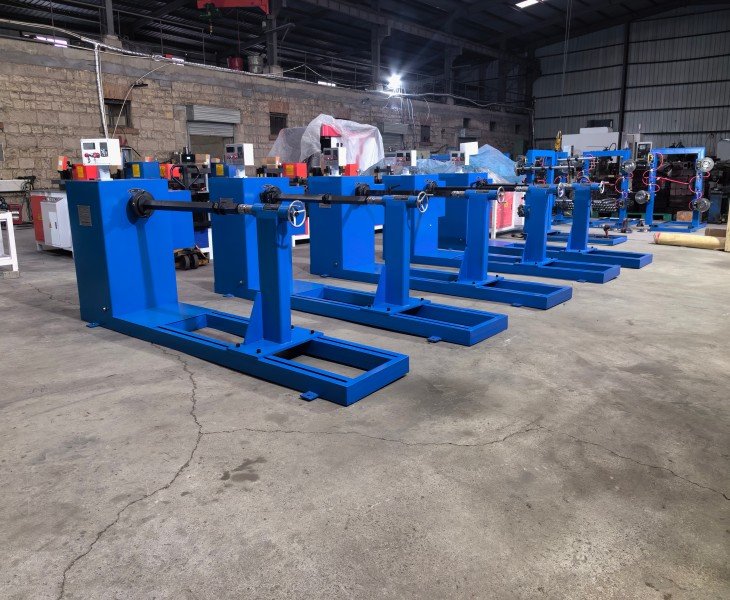
How to Compare China’s Top Transformer Winding Machine Manufacturers
There is no single official ranking that certifies the ten best transformer winding machine manufacturers in China. A Top 10 list should be used as a supplier-research starting point rather than proof of machine quality, automation level or coil accuracy.
Compare the exact proposed model, winding load, spindle system, torque, mandrel interface, conductor compatibility, turn counting, wire traversing, tension control, sample coils, FAT records, documentation, warranty and spare-parts support.
| Supplier Check | Evidence |
|---|---|
| Exact Model | Nameplate and configuration sheet |
| Winding Capacity | Load, speed, torque and coil range |
| Automation | Automatic and manual function list |
| Coil Test | Conductor, mandrel and measured samples |
| Support | FAT, documents, warranty and spare parts |
Automatic Transformer Winding Machine FAT Checklist
| FAT Check | What to Confirm |
|---|---|
| Machine | Model and automatic function list |
| Coil | Conductor, mandrel and approved drawing |
| Winding | Turns, direction, layers and dimensions |
| Control | Traversing, tension, stopping and memory |
| Acceptance | Safety, documents and sign-off |
Do not approve the machine after one successful empty run. Test the approved conductor, mandrel and representative coil, including repeated samples where batch consistency is required.
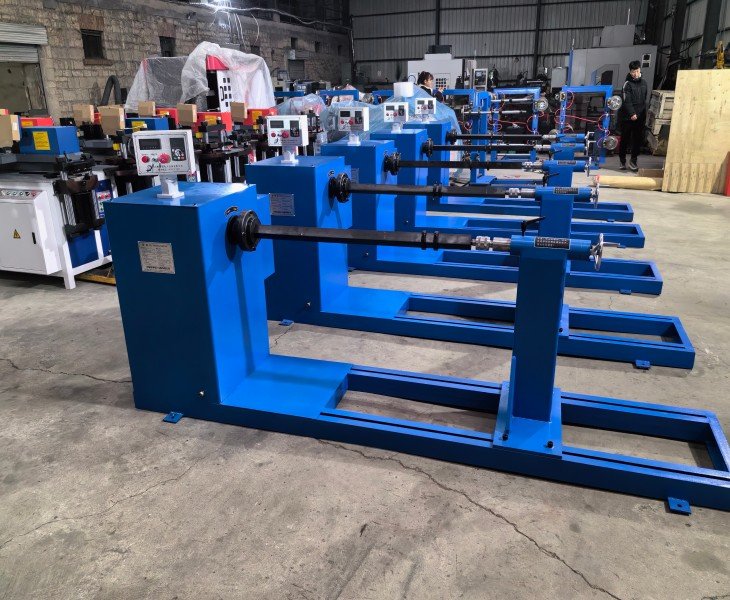
Dual Guarantee of Structural Stability and Wire Laying Control
From mechanical fundamentals to molding details, enhance the overall winding quality of your production workshop.
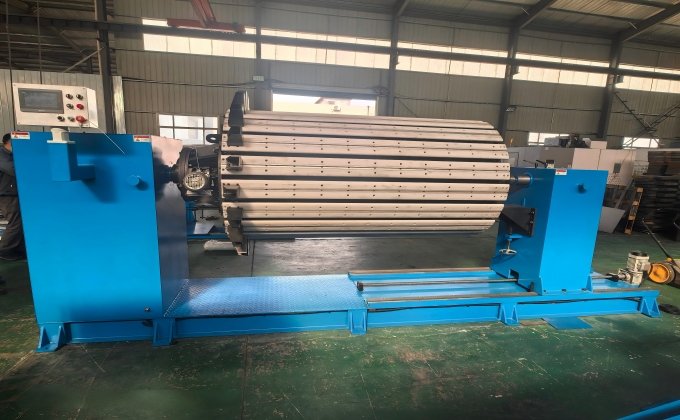
Maximum spindle speed should not be treated as the normal speed for every coil. The operating speed depends on the winding load, conductor specification, mandrel balance, torque, tension method, wire-traversing system and required coil quality.
Complete cycle time should include conductor loading, threading, first-layer setup, winding, insulation placement, lead handling, stopping, coil removal and inspection. Compare suppliers using the same conductor, mandrel, coil drawing and acceptance criteria.
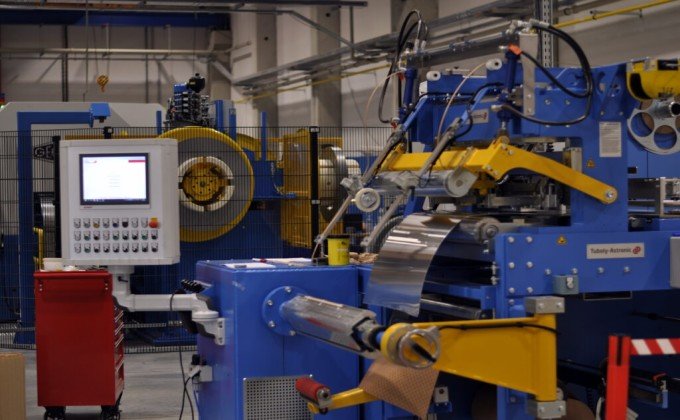
FengHua’s automatic transformer winding machine, through an independent wire laying mechanism and synchronous control of the main shaft, achieves precise setting of the corresponding wire laying step distance for different wire diameters, reducing the risk of rework on your production line.
Automatic functions may include spindle control, turn counting, wire traversing, tension adjustment, programmed stopping and recipe storage. Confirm the exact automatic and manual steps for the approved model.
It may process both materials when the conductor guide, tension system, torque, mandrel and control settings are correctly configured. Confirm the material, shape, cross-section, insulation and coil drawing separately.
An encoder provides rotation signals, but the complete result also depends on counting logic, reverse winding, deceleration, stopping and power-off memory. Verify the displayed count against known spindle revolutions during FAT.
No single control function guarantees finished-coil quality. The result also depends on the conductor, pitch, tension, guide, mandrel, edge correction, insulation and first-layer setup. Inspect the finished sample coil.
Compatibility depends on the conductor format, coil structure, load, torque, mandrel, tension and guiding system. HV and LV projects should be reviewed against their separate drawings and process requirements.
Provide the transformer application, conductor material and cross-section, coil internal and external dimensions, axial height, winding load, mandrel drawing, number of turns, winding direction, layer structure, tension requirement, automation scope, output target and local power supply.