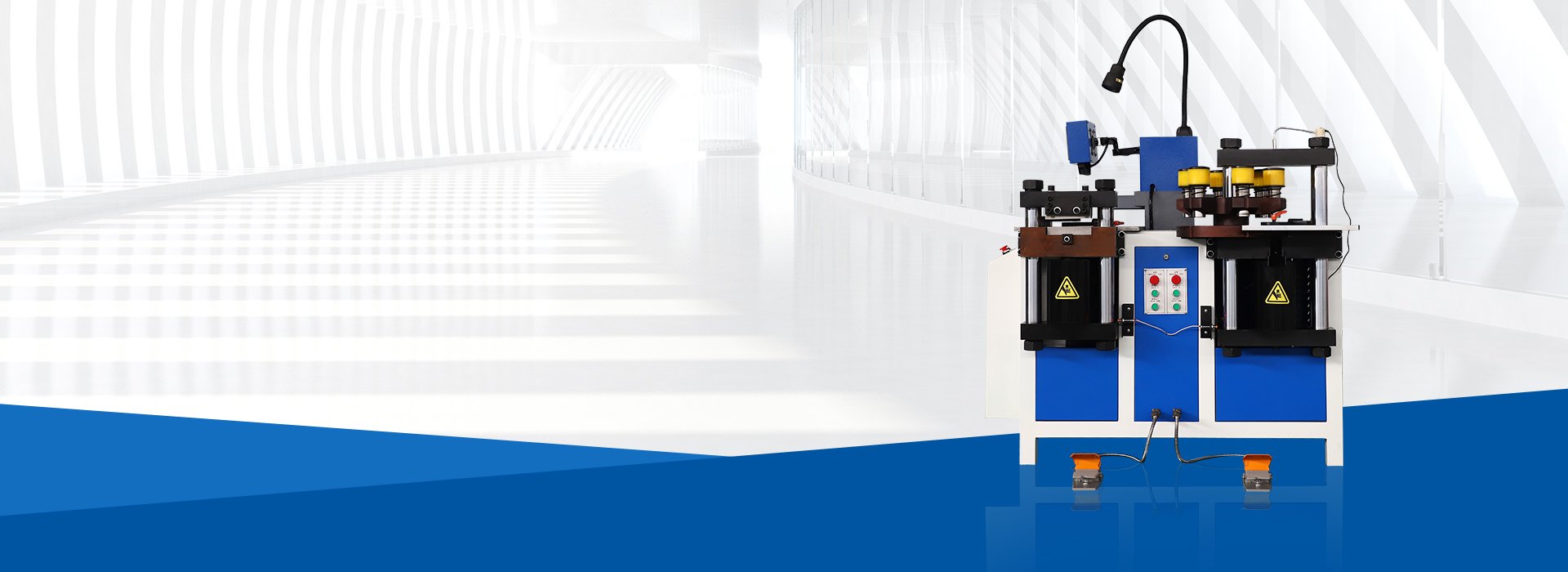
CNC Busbar Machines for Drawing-Defined Production
The term CNC busbar machine can describe different equipment structures. A servo-positioning multi-station machine, a dedicated CNC punching and shearing machine, and a programmable bending machine may all use CNC control, but they do not control the same axes or automate the same tasks.
Before selecting a machine, confirm whether the controller manages material position, punching coordinates, cutting length, bending stroke or angle, program storage, or only a subset of these functions. Loading, alignment, tool changes, part rotation, unloading and inspection may remain manual.
FengHua evaluates the required operations, material, drawing geometry, production mix, operator workflow, and factory conditions before defining the machine, control, and tooling scope in a technical quotation.
Compare CNC Busbar Machine Configurations
| Machine configuration | Main operations | Source-sheet max thickness* | Source-sheet max width* | Voltage | Motor power | Approx. weight | Machine dimensions |
|---|---|---|---|---|---|---|---|
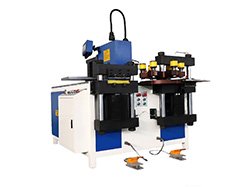
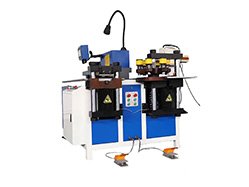
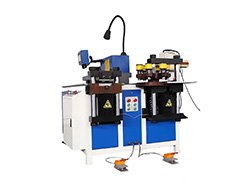
| Servo positioning busbar processing machine | Cutting, punching, bending | 16 mm | 160 mm | 380 V | 3 × 4 kW | 1600 kg | 1900 × 1350 × 1350 mm |
| CNC busbar bending machine | Bending | 16 mm | 200 mm | 380 V | 5.5 kW | 3500 kg | 3450 × 1200 × 1750 mm |
| Six-axis servo CNC busbar punching and shearing machine | Punching, shearing | 16 mm | 200 mm | 380 V | 11 kW | 6200 kg | 10500 × 2750 × 1760 mm |
CNC describes the control method; it does not automatically mean that material feeding, unloading, tool changing, angle measurement or every processing step is automatic. The control scope must be defined separately for each model and station.
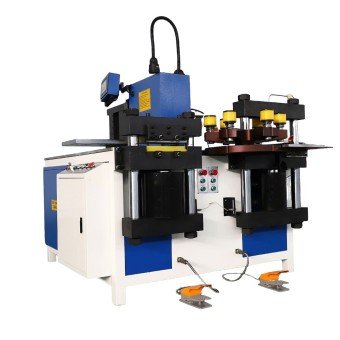
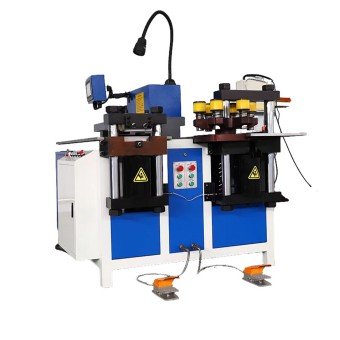
It supports continuous batch processing of busbars, ensuring the consistency of each busbar.
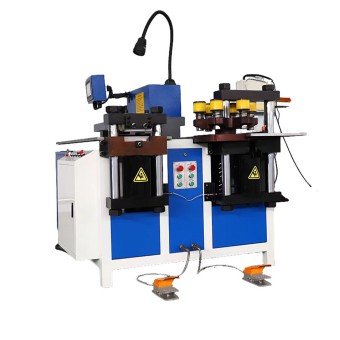
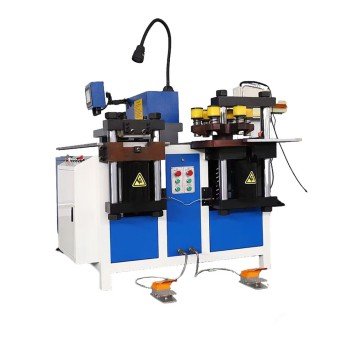
Features a highly stable transmission structure, enabling high-precision, high-batch processing of busbars.
What to Confirm in a CNC Busbar Machine

Confirm whether CNC or servo control applies to material length, punching X/Y coordinates, cutting position, bending stroke, bending angle or another variable. The controlled station and travel should be identified for each model.

Stored programs can reduce repeated data entry for recurring parts. Programs should be identified by drawing number, revision and approval status, with obsolete programs locked or archived to prevent the wrong dimensions from being recalled.

Material capacity should be confirmed separately for punching, cutting, flat bending and edge bending. A published maximum width and thickness does not prove that every operation can process that maximum material.

Loading, alignment, tool changing, workpiece rotation, unloading and inspection may remain manual. The automation scope, operator count and permitted simultaneous operation should be stated in the technical quotation.
How CNC Busbar Processing Accuracy Is Verified
Controller resolution, machine positioning accuracy, repeatability and finished-part accuracy are different measurements. A small value displayed by the controller should not be presented as the dimensional accuracy of the completed busbar.
Finished hole position, cutting length and released bending angle are also affected by material grade and temper, tooling condition, clamping, alignment, springback, setup and inspection method.
Every published accuracy claim should identify the exact machine model, controlled axis, test distance, material, sample quantity, measuring instrument, test conditions and maximum observed deviation.
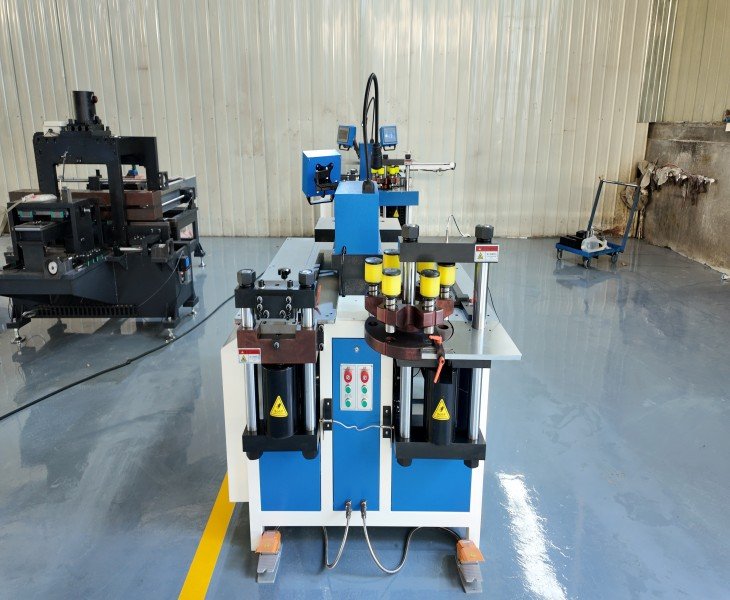
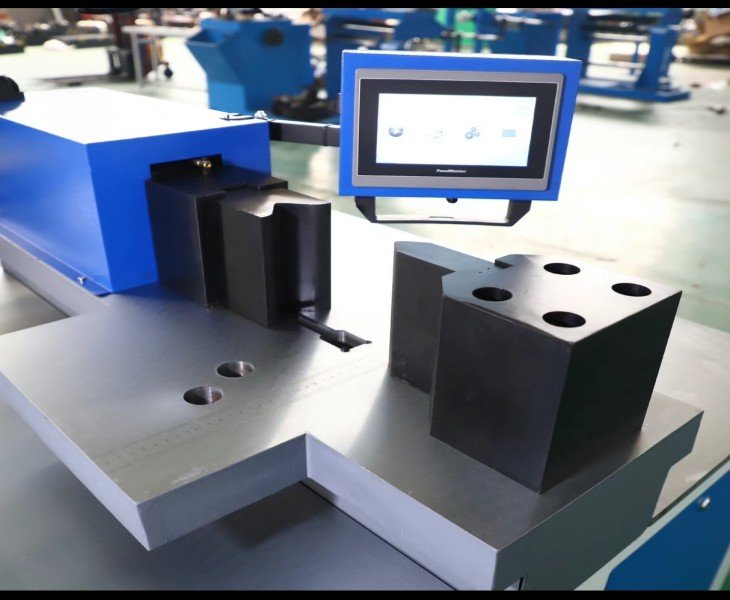
CNC Software and Control Functions to Confirm
CNC functions vary by model and software configuration. Before quotation, confirm how programs are created, edited, stored, recalled, backed up and restored.
File viewing, drawing import, editable operation generation and complete machine-program generation are different functions. Supported file formats, licenses, language options, update policies and operator permissions should be demonstrated rather than assumed.
If automatic specification identification, tool-path generation, compensation or real-time process adjustment is claimed, the exact model and software must demonstrate that function using an agreed sample workflow.
Machine and Tooling Selection Based on Your Drawings
A CNC busbar machine should be selected from the actual product range rather than from one maximum dimension. Submit one common drawing, one high-volume drawing and one complex drawing whenever possible.
Provide the busbar material grade and temper, maximum and common width and thickness, raw-bar length, hole and slot geometry, bend direction, inside radius, drawing tolerances, batch quantity, required conforming output, operator count, factory voltage and available operating space.
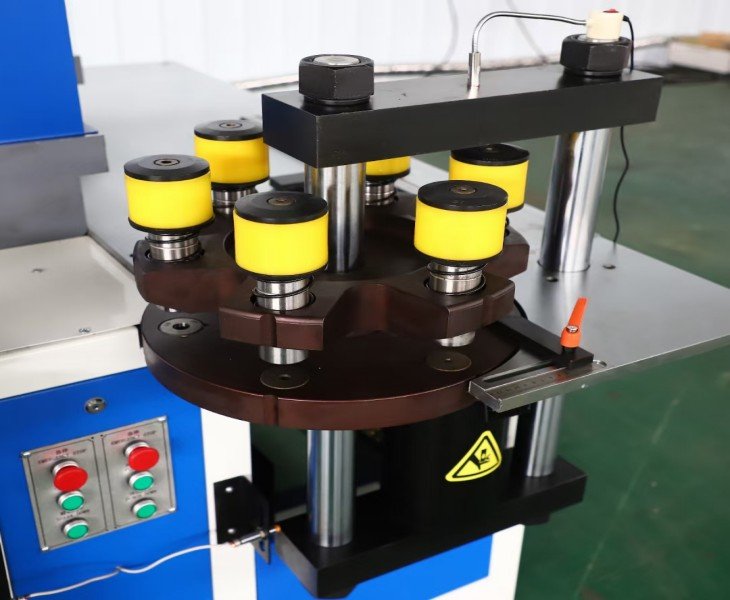
The final proposal should record the exact model, controlled functions, capacity by operation, included tooling, optional tooling, unsupported features, electrical configuration, factory acceptance items, documentation and service responsibilities.
Sample Testing and Factory Acceptance
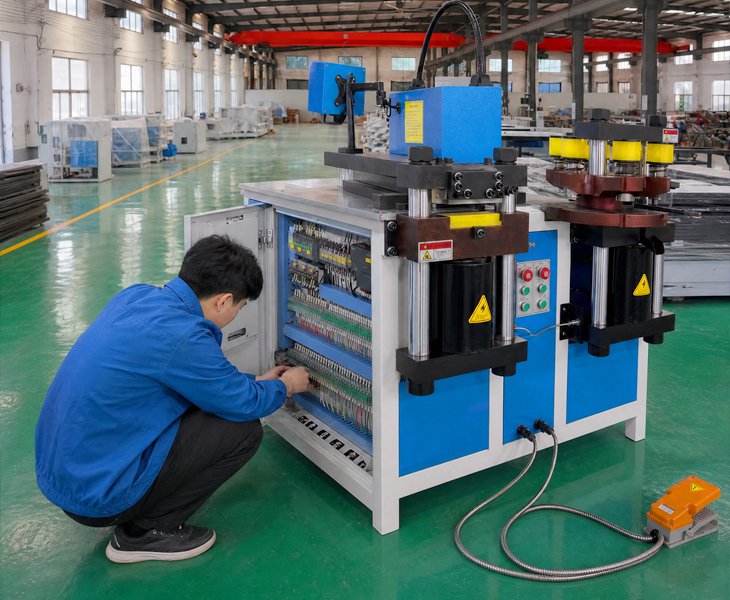
Before order confirmation, agree on the sample drawing, material grade and temper, tooling, target dimensions, tolerances, measuring instruments and acceptance method.
Each factory acceptance test item should record the acceptance criterion, measurement method and actual result. A short sample test can demonstrate the agreed part, but it does not by itself prove long-term reliability, tool life or process capability.
| FAT item | Required record |
|---|---|
| Test conditions | Model, drawing revision, material, dimensions, tooling and operators |
| CNC positioning | Commanded and measured positions |
| Punching | Hole position, diameter, pitch and burr height |
| Cutting | Finished length, squareness and deformation |
| Bending | Released angle, bend line and inside radius |
| Batch consistency | First, middle and final measured parts |
| Changeover | Last conforming Part A to first conforming Part B |
| Program control | Save, recall, edit, backup and restore |
| Safety | Guards, emergency stops, interlocks, alarms and restart behavior |
| Output | Total time, conforming parts, reworked parts and scrap |
How to Compare CNC Busbar Machine Manufacturers in China
There is no universally recognized official “Top 10” ranking for CNC busbar machine manufacturers in China. Buyers should compare suppliers by legal identity, current model range, operation-specific capacity, controlled axes, tooling, sample results, FAT records, documentation, warranty and destination-country service.
FengHua publishes a separate comparison guide based on public manufacturer information. Inclusion and list order do not constitute independent certification or a quality ranking. Buyers should verify every supplier against their own material, drawings, production requirements and acceptance criteria.
Production Duty, Maintenance and Operator Requirements
A rigid machine frame alone does not prove continuous multi-shift production. Production-duty claims should identify the tested model, material, operations, test duration, ambient conditions, hydraulic-oil temperature, cooling configuration, planned pauses and inspection results.
Maintenance requirements should cover tooling inspection, lubrication, hydraulic filters and oil, fasteners, sensors, electrical components, controller backups and replacement criteria for worn parts.
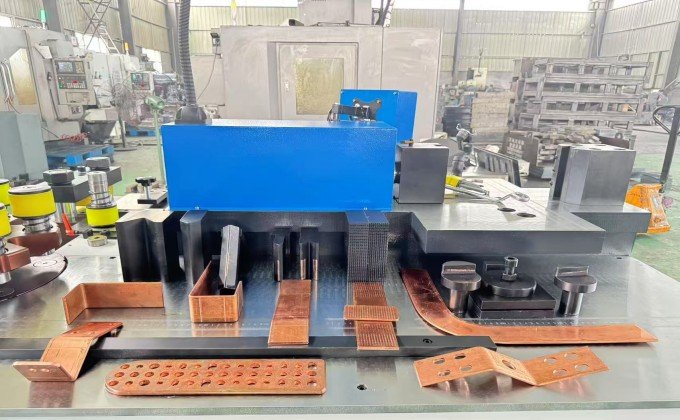
Confirm the permitted duty cycle, cooling configuration, hydraulic-oil limits and maintenance interval for the selected machine. Do not publish an unconditional continuous-production claim without documented test conditions.
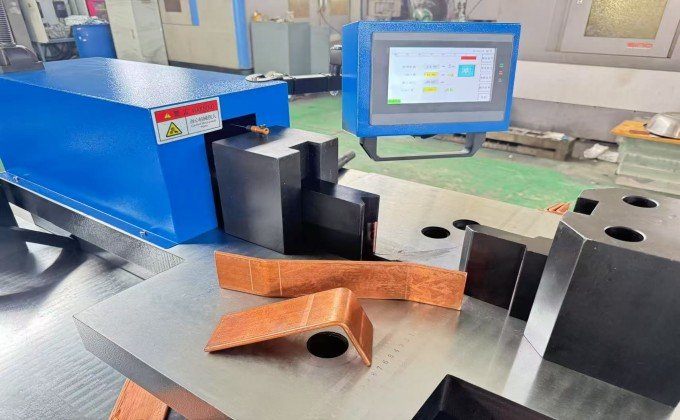
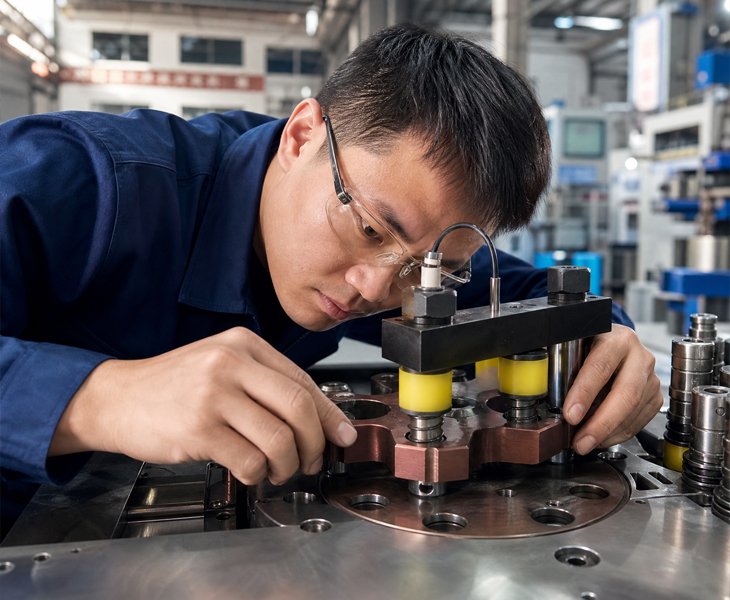
Training should cover tooling setup, program selection, first-piece inspection, safety checks, backup and restoration, troubleshooting and scheduled maintenance. A visual interface does not eliminate the need for trained operators.
The controlled functions depend on the model. CNC or servo control may apply to material positioning, punching coordinates, cutting length, bending stroke or bending angle. The supplier should identify every controlled station and axis in the technical quotation.
No. CNC describes the control method, not the complete automation level. Loading, alignment, tool changes, part rotation, unloading and inspection may still require an operator.
Some integrated configurations combine cutting, punching and bending, while dedicated machines perform only one or two operations. Confirm the available stations, whether they operate independently and whether simultaneous use is permitted.
Some machines may process both materials, but capacity and tooling must be evaluated separately. Material grade, temper, thickness and surface condition can affect cutting clearance, punching quality, bending springback and surface marking.
Provide the material, maximum and common dimensions, required operations, drawings, tolerances, batch mix, conforming output target, operator count, factory voltage and workshop space. Select the machine according to the complete workflow rather than one maximum specification.
No. CNC control can improve positioning and program repeatability, but finished-part results also depend on material, tooling, clamping, alignment, springback, setup and inspection. Verify the result using an agreed sample and measurement method.
The FAT should record the machine model, software and tooling, drawing revision, material, test conditions, measurement instruments, acceptance criteria and actual results for positioning, punching, cutting, bending, batch consistency, program control and safety.
Installation guidance, commissioning, training, remote support, on-site service, warranty and spare-parts coverage depend on the machine configuration and destination. Responsibilities, included services, response process and chargeable items should be stated in the quotation or contract.