
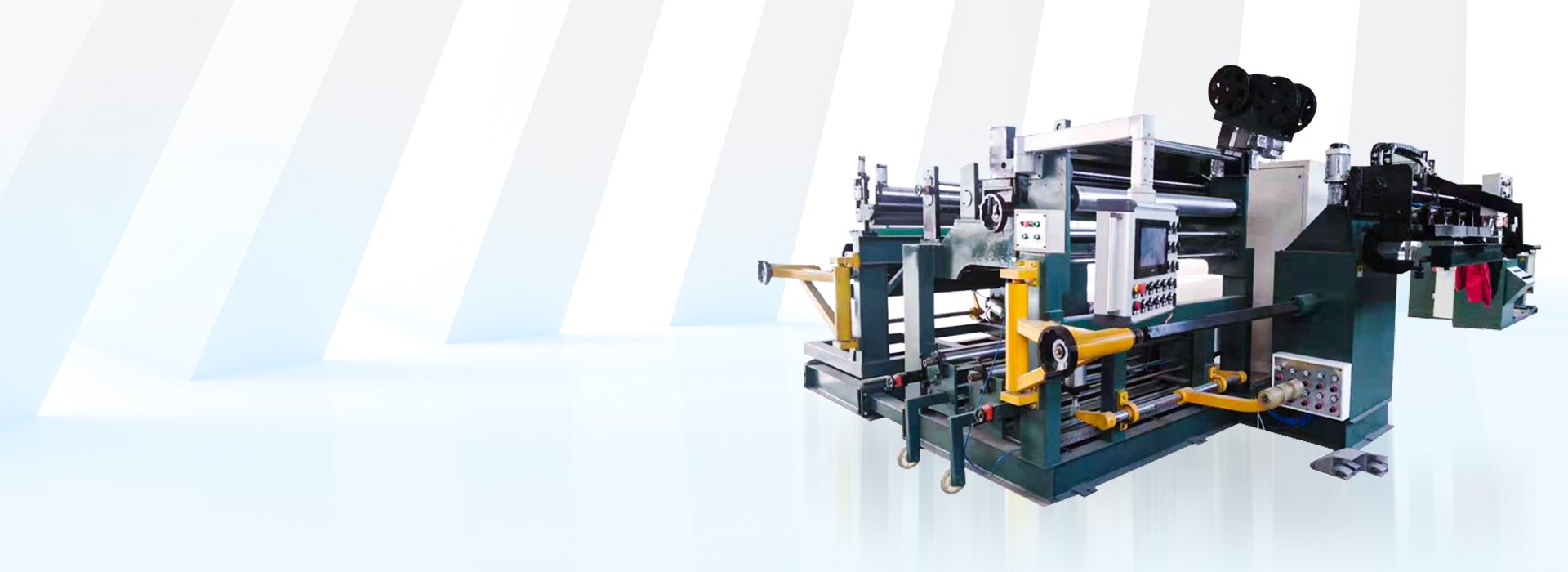
Quick Answer: What Is an LV Foil Winding Machine?
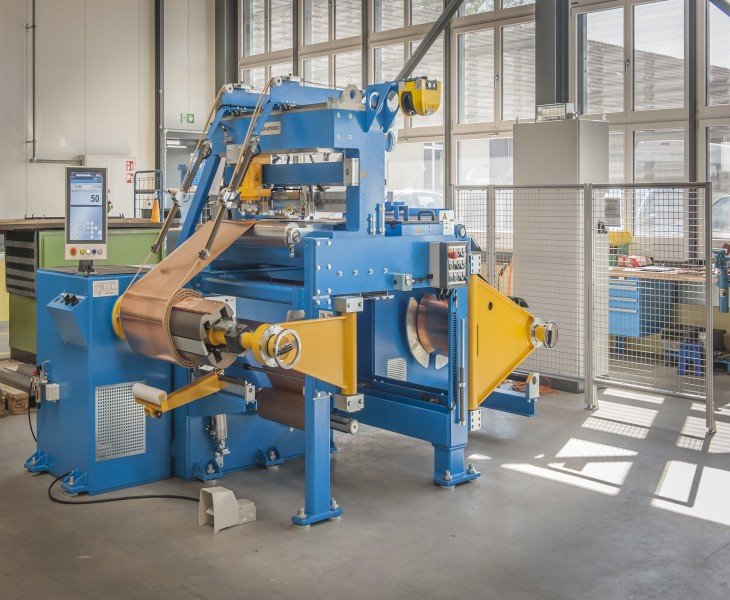
An LV foil winding machine winds wide copper or aluminum foil together with interlayer insulation to produce low-voltage transformer coils.
Unlike an LV wire winding machine, it normally requires dedicated conductor decoiling, foil tension control, edge alignment, insulation feeding, mandrel support and an approved conductor-to-lead joining process.
The words CNC and automatic do not confirm that all of these functions are included. Every supplied system and remaining manual operation should be listed in the technical quotation.
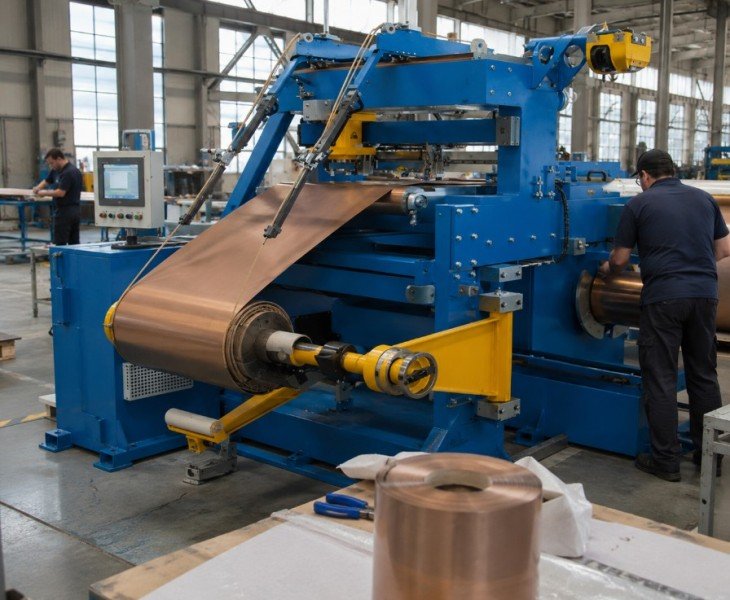
LV Foil Winding Machine Manufacturer for Drawing-Based Production
FengHua configures LV foil winding equipment according to the approved conductor, insulation, coil and mandrel drawings rather than only the transformer capacity or foil material.
Before quotation, the engineering review should confirm the copper or aluminum grade and temper, foil width and thickness, reel diameter, reel core, reel weight, coil internal and external dimensions, axial height, finished coil weight, insulation material, insulation width and thickness, number of insulation reels, winding direction, lead positions, joining method and production output.
The technical quotation should identify the exact machine model, conductor decoilers, insulation decoilers, spindle and mandrel system, tension-control principle, edge-alignment method, pressure roller, welding or joining system, control functions, safety configuration, FAT samples, documentation, warranty and spare-parts scope.
LV Foil Wind Machine's Hot Selling Product
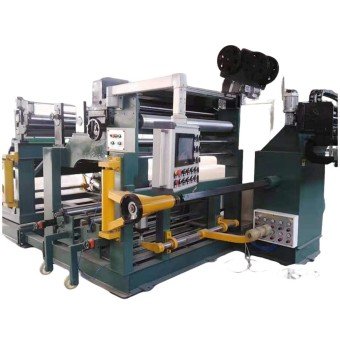
For low-voltage transformer coils using copper foil conductors. Confirm the copper grade or temper, foil width and thickness, reel weight, coil dimensions, tension method, edge alignment, insulation and joining process.
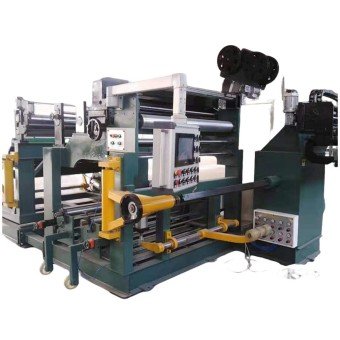
For LV transformer coils using aluminum foil conductors. Confirm the aluminum alloy or temper, foil dimensions, reel handling, edge condition, tension settings, insulation feeding and conductor joining method.
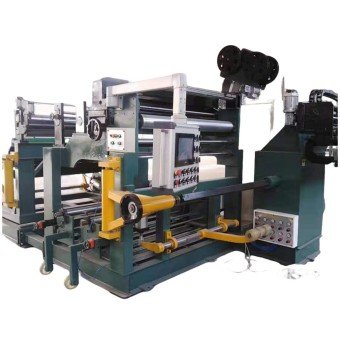
For repeated foil-coil production requiring controlled conductor position relative to the coil edge. Confirm whether alignment is manual or automatic, the sensing method, correction range and FAT inspection procedure.
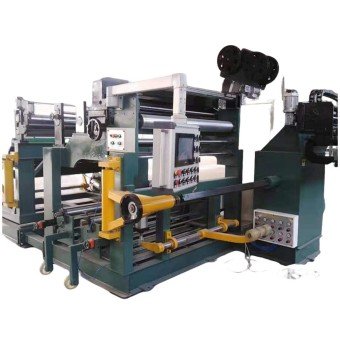
For projects requiring special foil ranges, multiple conductor reels, additional insulation reels, pressure rollers, customized mandrels, welding systems or factory-specific automation.
Which LV Foil Winding Configuration Should You Choose?
| Production Requirement | Starting Configuration | Main Check |
|---|---|---|
| Copper foil LV coils | Copper foil configuration | Foil range, tension and joining |
| Aluminum foil LV coils | Aluminum foil configuration | Reel handling, edge and welding |
| Repeated edge-position control | Edge-alignment configuration | Sensor, correction and FAT |
| Special coils or workflows | Customized system | Decoilers, insulation and mandrel |
The correct machine should be selected from the complete foil, insulation, coil and joining requirements—not only from the words copper, aluminum, CNC or automatic.
What Should You Confirm in an LV Foil Winding Machine?

Confirm the number of conductor and insulation decoilers, supported reel dimensions, maximum reel weight, braking method and loading procedure.

Confirm whether conductor and insulation tension are controlled mechanically, pneumatically, electrically or through a closed-loop system. Record the adjustable range and FAT method.

Confirm whether foil-edge correction is manual or automatic, how the edge position is detected and how the finished coil profile will be measured.

Confirm the lead-bar design, joining process, included welding equipment, mandrel shape, winding load, connection method and coil-removal procedure.
How Should Foil and Insulation Feeding Be Coordinated?
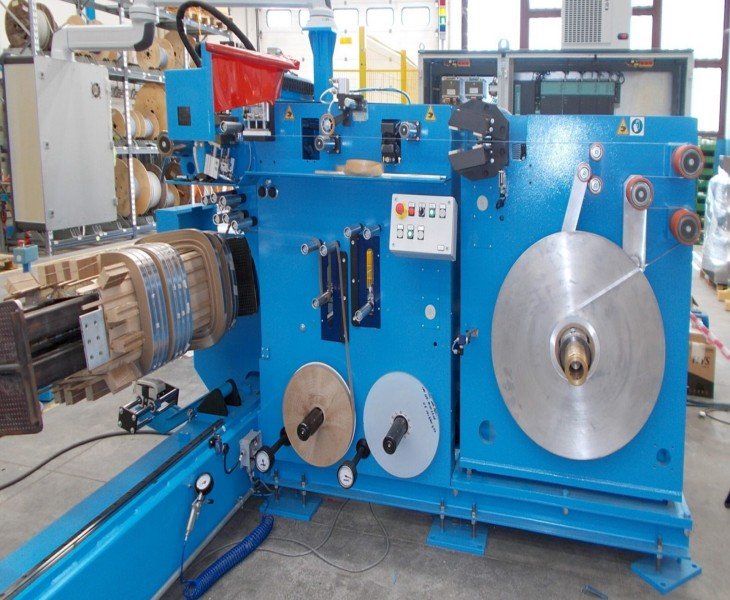
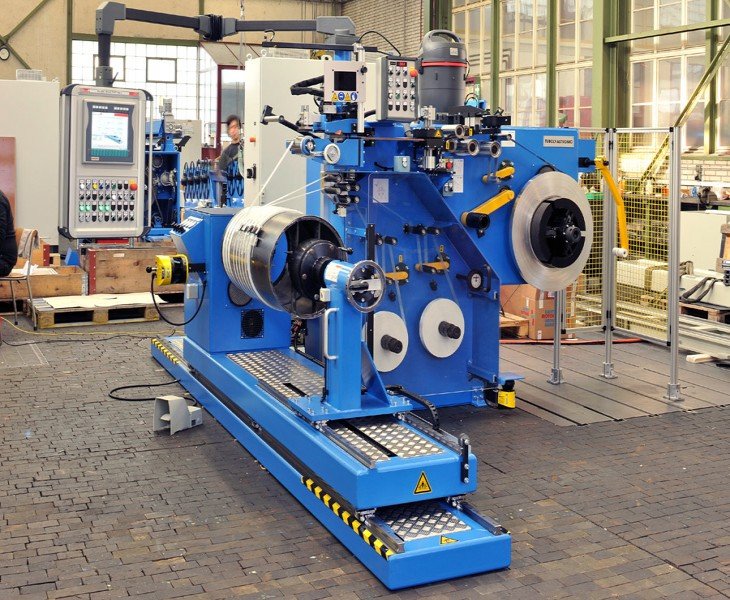
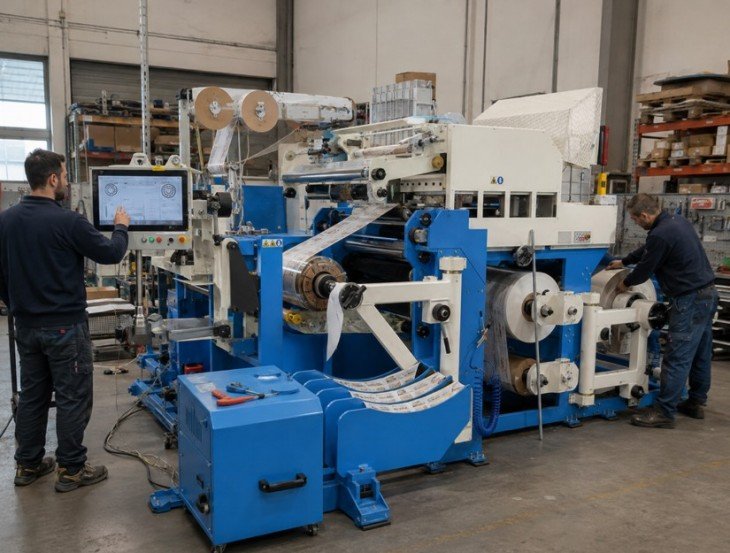
LV foil winding requires the conductor foil and interlayer insulation to enter the winding zone according to the approved coil structure.
Confirm the number and position of conductor and insulation reels, feeding paths, tension methods, overlap or edge requirements, stopping points and operator actions.
The finished coil should be inspected for foil-edge position, insulation placement, wrinkles, telescoping, layer displacement and surface damage. Coordinated feeding should be demonstrated using the customer’s actual foil and insulation materials.
How Should LV Foil Coil Quality Be Verified?
LV foil coil quality should be verified against the approved coil drawing and winding-process specification rather than the controller display alone.
Inspect the finished coil internal diameter, external diameter, axial height, layer quantity, foil-edge position, insulation placement, lead position, joint condition, surface condition and any telescoping or layer shift.
For repeated production, compare the first, middle and final coils from the agreed test batch. Record the foil and insulation materials, machine settings, inspection instruments, acceptance limits and actual results.
Which LV Foil Winding Functions Are Actually Automatic?
Digital control may apply to selected functions such as spindle speed, winding direction, turn counting, programmed stopping, tension settings, edge correction or recipe storage.
It does not automatically mean that reel loading, foil threading, insulation preparation, lead-bar welding, foil cutting, joint finishing, coil removal and final inspection are completed without an operator.
The quotation should list every automatic function, every manual operation and every optional system separately.
| Function | What to Confirm |
|---|---|
| Spindle | Speed, direction and stopping |
| Turn Counting | Range, reverse count and memory |
| Tension | Setting, feedback and compensation |
| Edge Alignment | Detection and correction method |
| Manual Work | Loading, welding, cutting and removal |
How to Compare China’s Top Transformer Foil Winding Machine Manufacturers
There is no universally recognized official ranking of China’s top transformer foil winding machine manufacturers. Published Top 10 lists should be used only to create an initial supplier shortlist.
For an LV foil winding project, compare the exact proposed model, foil and reel capacity, tension system, edge alignment, insulation feeding, spindle and mandrel, pressure roller, welding system, sample coil, FAT results, documentation, warranty and spare-parts scope.
| Supplier Check | Evidence |
|---|---|
| Exact Model | Nameplate and technical sheet |
| Foil Capability | Material and range confirmation |
| Process Systems | Tension, alignment and insulation |
| Coil Test | Actual materials and measured sample |
| Support | FAT, documents and spare parts |
LV Foil Winding Machine FAT Checklist
| FAT Check | What to Confirm |
|---|---|
| Machine | Model and approved systems |
| Materials | Foil, insulation and coil drawing |
| Process | Tension, alignment and joining |
| Results | Dimensions, edges and repeatability |
| Acceptance | Safety, documents and sign-off |
Do not approve the machine through an empty run. Use the approved foil, insulation, mandrel and lead-bar design to produce representative sample coils.
LV Foil Coil Production Applications
Reliable low-voltage foil winding solutions for high-quality low-voltage transformer coil manufacturing
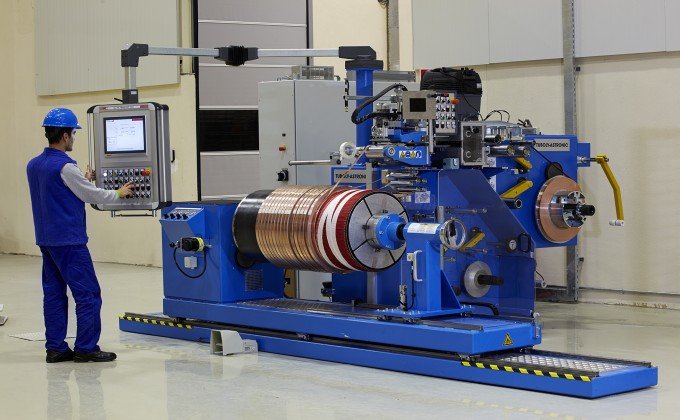
For dry-type transformer projects, confirm the copper or aluminum foil, insulation material, coil geometry, layer structure, lead design, joining process and finished coil acceptance requirements.
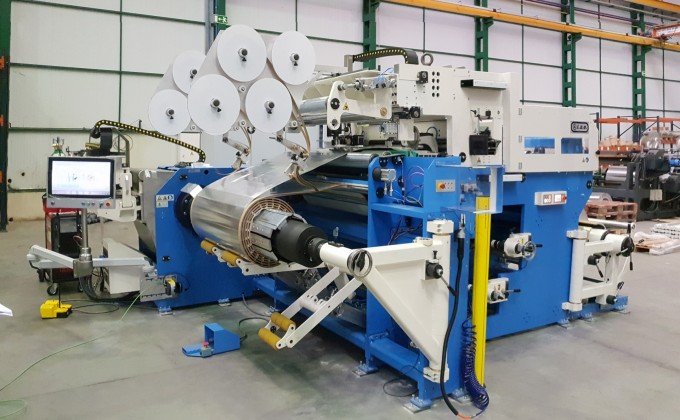
For oil-immersed transformer projects, review the conductor, insulation compatibility, coil dimensions, cooling structure, lead positions, joining method and handling requirements according to the approved transformer design.
An LV wire winding machine processes round wire, rectangular wire or narrow strip through a conductor-guiding system. An LV foil winding machine processes wide copper or aluminum foil and normally requires dedicated decoiling, edge alignment, insulation feeding and conductor joining.
It may be configured for both materials, but compatibility depends on the approved foil ranges, reel handling, tension system, edge alignment, joining process and control settings. Both materials should be tested separately during FAT.
No. Finished edge position can also be affected by the foil condition, reel loading, tension, mandrel alignment, insulation feeding, correction settings and operator setup. Inspect the completed sample coil.
No. Automation may apply only to selected functions such as spindle control, turn counting, tension, edge alignment or insulation feeding. The quotation should state which processes are automatic and which remain manual.
Confirm the tension-control principle, adjustable range, feedback method and FAT procedure for the approved foil material, width, thickness, reel condition, coil geometry and winding speed.
Provide the foil material, width and thickness, reel dimensions and weight, coil drawing, finished coil weight, insulation specification, layer structure, lead-bar design, joining method, production output and workshop utilities.