

Quick Answer
An LV winding machine forms round wire, rectangular wire or strip conductors into low-voltage transformer coils.
The correct machine configuration depends on the conductor specification, finished coil dimensions, winding load, mandrel design, spindle speed, torque, winding direction, turn-count requirement, tension method, guiding system and expected output.
Variable-frequency speed control, electronic counting, automatic wire traversing, closed-loop tension control and touchscreen operation are separate configuration items. They should not be assumed to be included unless they are listed in the approved technical quotation.
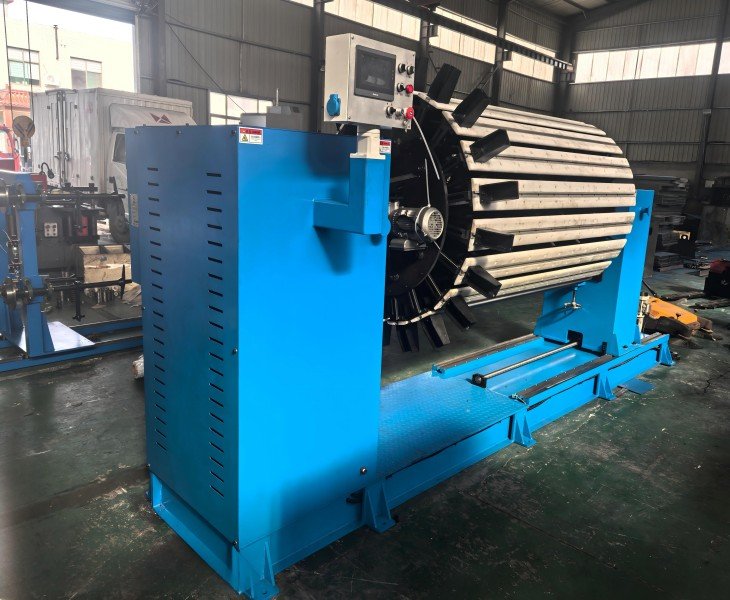
What Is an LV Transformer Winding Machine?
An LV transformer winding machine winds conductive wire or strip onto an approved mandrel to produce a low-voltage transformer coil.
The machine provides spindle rotation, winding torque, turn counting and mechanical support. Depending on the proposed configuration, it may also include conductor guiding, variable-frequency speed control, reversible rotation, program storage or tension-control functions.
The finished coil is defined by the approved electrical and mechanical drawing. The machine name alone does not confirm conductor compatibility, finished-coil capacity, winding quality or automation level.
LV Transformer Winding Machine Configurations
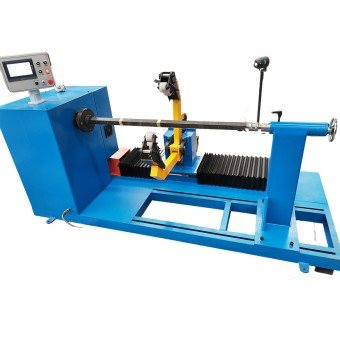
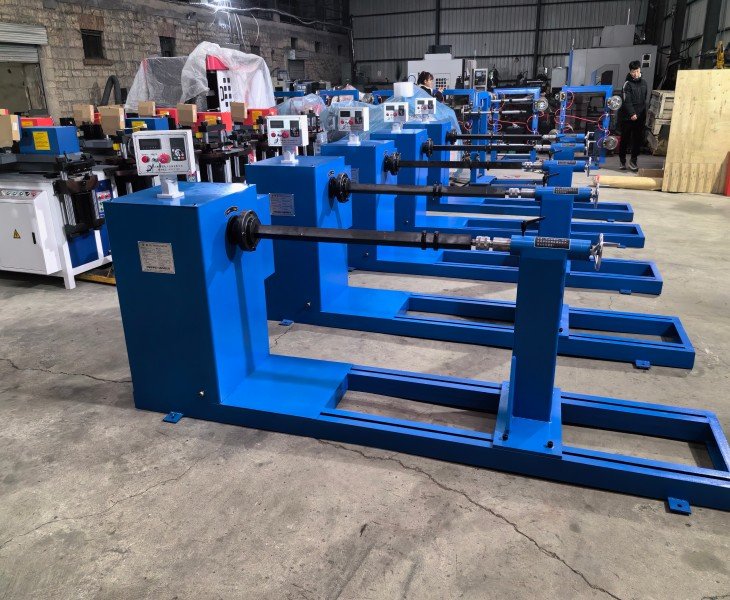
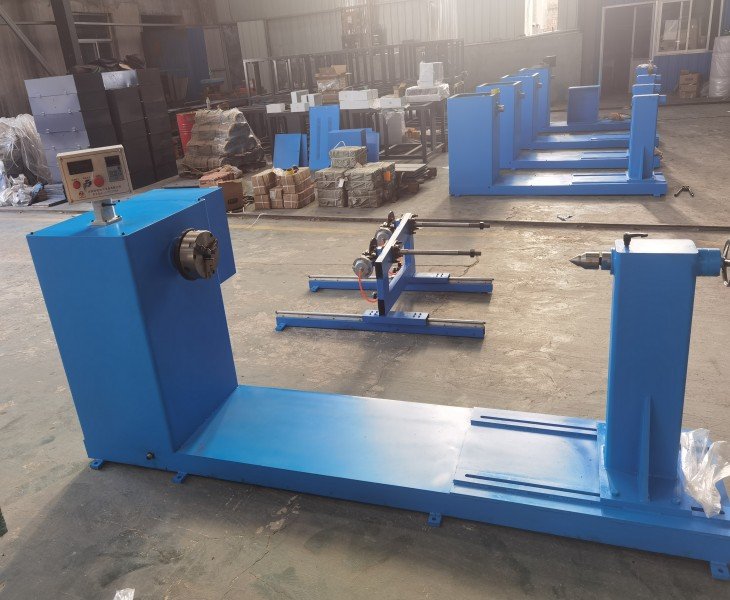
Designed for low-voltage wire or strip coils requiring horizontal mandrel support. Confirm the winding load, spindle torque, effective shaft length, coil dimensions, and mandrel interface.
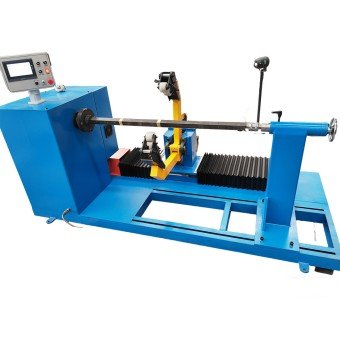
Suitable for projects requiring clockwise or counterclockwise winding. Confirm the winding direction, turn-counting method, braking function and power-off memory.
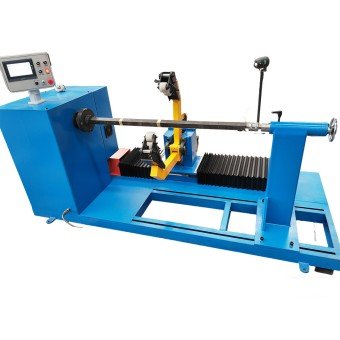
Intended for factories producing different conductor and coil specifications. Confirm the conductor range, setup method, guiding adjustment and product-change procedure.
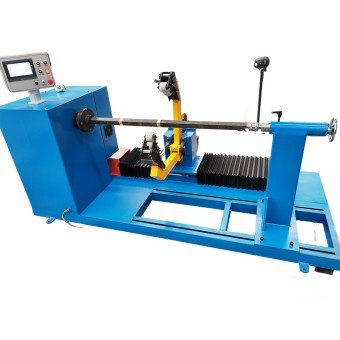
Configured according to the conductor, coil drawing, winding load, mandrel structure, tension method, guiding system and required control functions.
How to Select the Right LV Winding Machine
| Production Requirement | Starting Configuration | Suitable For | What to Confirm |
|---|---|---|---|
| Larger horizontal wire or strip coils | Horizontal LV Winding Machine | Distribution, power and reactor LV coils | Load, torque, shaft and mandrel |
| Defined clockwise or counterclockwise winding | Reversible LV Winding Machine | Drawing-specific winding directions | Counter, rotation, brake and memory |
| Frequent conductor and coil changes | Multi-Specification Configuration | Mixed-specification production | Conductor range, guiding and changeover |
| Repeated coils requiring programmed functions | Controlled or Automatic Configuration | Standardized batch production | Controlled axes, tension, program and FAT |
Terms such as CNC, automatic or servo do not confirm the complete machine configuration. List every controlled function separately in the technical quotation.
Functions to Confirm Before Selecting an LV Winding Machine

Confirm whether the proposed machine uses manual guiding, mechanical guiding, servo traversing or another approved method. The guiding system must match the conductor shape, cross-section and required layer arrangement.

Confirm the tension-control method, adjustable range and operating procedure according to the conductor material, insulation, reel condition, winding speed and coil structure.

Confirm the counter range, forward and reverse counting, power-off memory, winding-direction control and FAT verification method.

Confirm the winding load, shaft dimensions, effective spindle length, mandrel interface, tailstock structure, locking method and finished-coil removal procedure.
LV Wire Winding vs LV Foil Winding
| Comparison | LV Wire or Strip Winding | LV Foil Winding |
|---|---|---|
| Conductor | Round wire, rectangular wire or narrow strip | Wide copper or aluminum foil |
| Material Handling | Pay-off, tension and conductor guiding | Foil decoiling, edge alignment and insulation feeding |
| Main Confirmation | Cross-section, guiding, turns and mandrel | Foil range, reel load, alignment and joining |
| Relevant Page | LV Winding Machine | Transformer Foil Winding Machines |
Submit the actual conductor specification before selection. The term “LV coil” alone does not determine whether a wire-winding or foil-winding machine is required.
How Should LV Coil Winding Quality Be Verified?
Finished LV coil quality should be evaluated against the approved drawing and winding-process specification rather than general claims such as high precision or stable quality.
Inspect the final turn count, winding direction, internal and external dimensions, axial height, layer arrangement, conductor position, insulation placement, lead positions, surface condition and mandrel stability.
For repeated production, compare coils produced at the beginning, middle and end of the agreed test run. Record the conductor, settings, measuring instruments, tolerance limits and actual results.
Define the Automation Boundary Before Purchase
The word “automatic” should be divided into specific machine functions.
Confirm whether the proposed machine automatically controls spindle speed, turn counting, winding direction, conductor traversing, tension, insulation placement, program recall and stopping.
Also identify the manual operations, including reel loading, conductor threading, mandrel installation, insulation preparation, lead positioning, coil removal and final inspection.
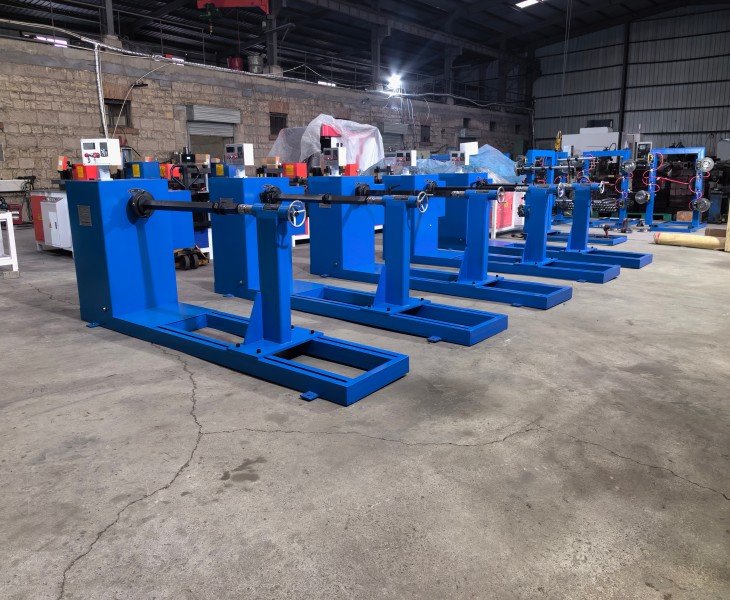
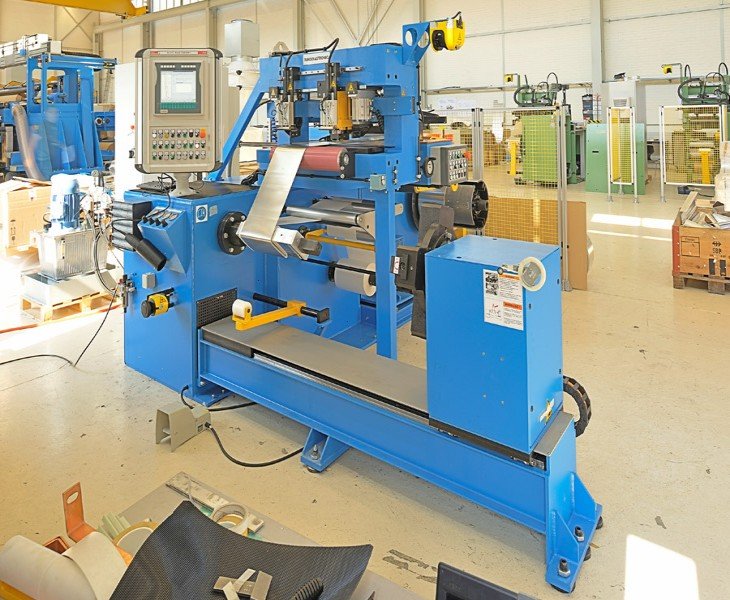
LV Winding Machine FAT Checklist
| FAT Check | What to Verify | Evidence |
|---|---|---|
| Configuration and Safety | Machine matches the quotation and contracted safety functions operate correctly | Configuration sheet and checklist |
| Rotation, Counter and Brake | Forward/reverse rotation, turn counting, power-off memory and stopping performance | Test report and video |
| Conductor, Tension and Guiding | Approved conductor runs under the agreed tension and guiding settings | Settings and sample |
| Mandrel, Load and Sample Coil | Mandrel support is stable and the finished coil matches the winding plan | Inspection record and sample photos |
| Documents and Spare Parts | Manuals, drawings, component lists and contracted spare parts are complete | Document index and packing list |
Agree the conductor, mandrel, test load, sample quantity and acceptance limits before FAT.
How to Compare China’s Top 10 Transformer Winding Machine Manufacturers
There is no universally recognized official ranking of China’s top 10 transformer winding machine manufacturers. Published lists should be used only to create an initial supplier shortlist.
For an LV winding project, compare the proposed machine against your conductor, coil drawing, mandrel and FAT requirements rather than relying only on brand claims or promotional rankings.
| Comparison Factor | What to Confirm | Evidence to Request |
|---|---|---|
| Machine Match | Conductor, coil, load and mandrel suitability | Signed specification and drawings |
| Control Boundary | Speed, counting, guiding, tension and automation | Function list and demonstration |
| Sample and FAT | Representative conductor and coil test | Sample coil and inspection report |
| Service Scope | Installation, training, warranty and spare parts | Written service and document list |
A manufacturer list is only a sourcing reference. Final selection should be based on the approved configuration, representative sample coil, FAT results and contract terms.
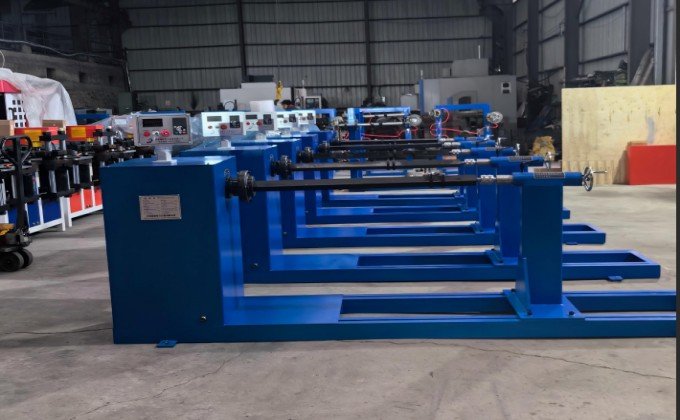
When conductor or coil specifications change, confirm which settings, guides, shafts, mandrels and tension components must be adjusted or replaced.
The quotation should state the supported conductor range, changeover procedure, required tooling and estimated setup method. Product changes should be demonstrated during FAT when mixed-specification production is required.
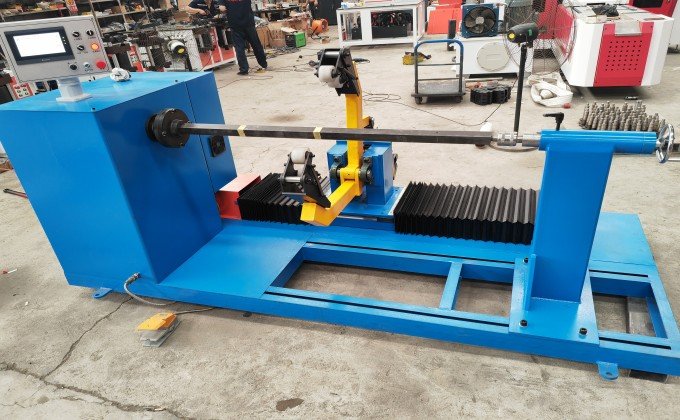
Producing multiple coil designs may require changes to the mandrel, conductor guide, shaft position, tension settings and operating parameters.
Your quotation should identify the compatible conductor sizes, necessary tooling and expected setup procedure. For factories handling several coil specifications, include a practical changeover test in the FAT to verify setup time, adjustment steps and finished-coil results.
An LV transformer winding machine produces low-voltage coils from approved wire or strip conductors according to the coil and winding-process drawings.
Compatibility depends on the conductor material, shape, cross-section, insulation, reel arrangement, tension method, guiding system, required torque and coil geometry. Provide the actual conductor specification before configuration confirmation.
An LV wire winding machine processes round wire, rectangular wire or narrow strip through a conductor-guiding system. An LV foil winding machine processes wide copper or aluminum foil and normally requires dedicated decoiling, edge alignment, insulation feeding and conductor joining.
No. Automation may apply to only certain functions, such as spindle speed, turn counting, conductor traversing or program recall. Every automatic and manual operation should be listed separately in the quotation.
The appropriate tension method depends on the conductor, insulation, reel condition, winding speed and coil design. Confirm the control principle, adjustable range and FAT method for the proposed configuration.
Provide the conductor specification, coil drawing, winding load, turns, direction, mandrel design, insulation arrangement, required output, workshop voltage and FAT criteria.
Use an approved conductor, mandrel and coil drawing to verify rotation, counting, speed, braking, tension, guiding, finished dimensions, insulation placement, lead positions, safety and documentation.