
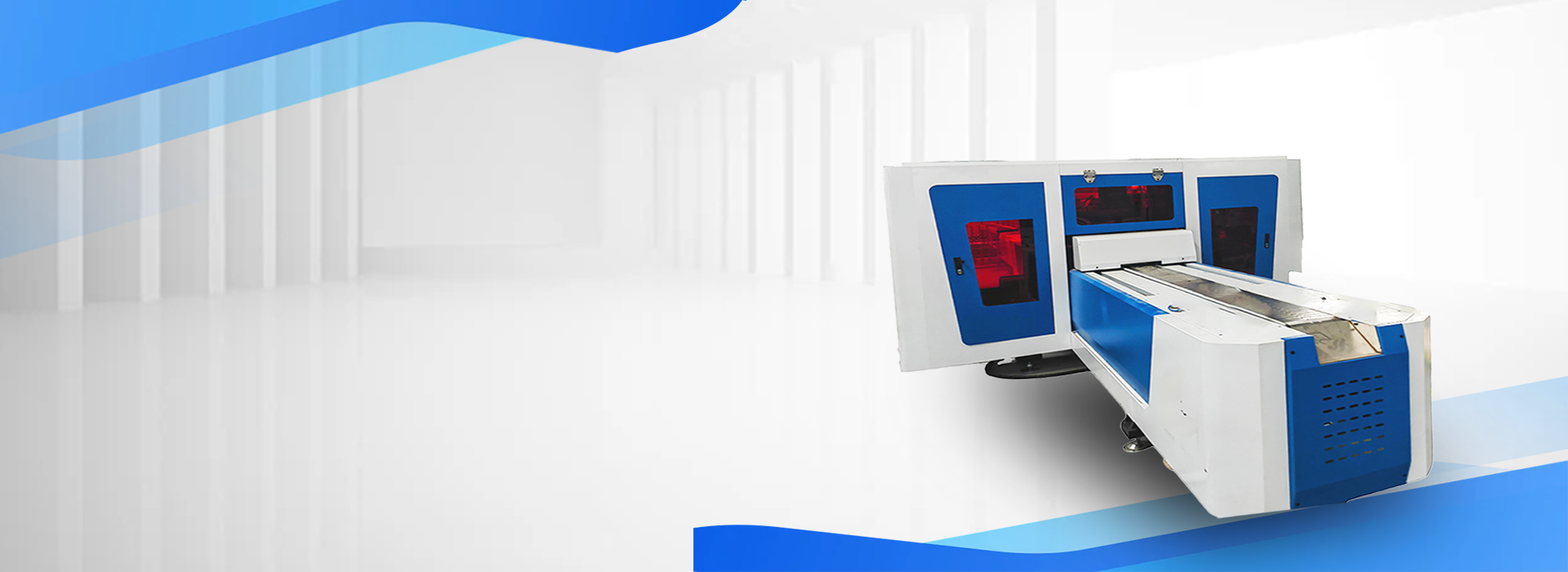
CNC Busbar Punching Machine Manufacturer for Drawing-Based Production
FengHua configures busbar punching equipment according to the finished hole layout rather than only the nominal punching force. Before quotation, the engineering review should confirm the material grade or alloy, temper, width × thickness, raw-bar length, round and slotted-hole sizes, hole-center pitch, hole-to-edge distance, tooling reach and required output.
The technical quotation should identify the exact machine model, controlled axes, positioning method, material-loading method, punching force, applicable tooling, included dies, optional dies, safety configuration, FAT samples, documentation, warranty scope and recommended spare parts.
Fenghua CNC Busbar Punching Machine Products
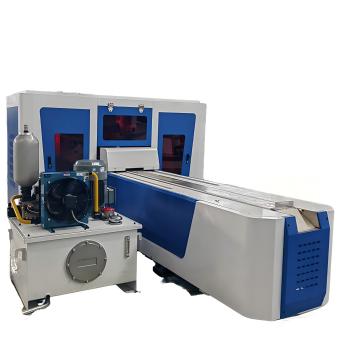
Designed for recurring hole coordinates and mixed busbar specifications. Confirm the controlled axes, positioning range, program storage, material-loading method and whether the published accuracy refers to positioning or the finished hole.
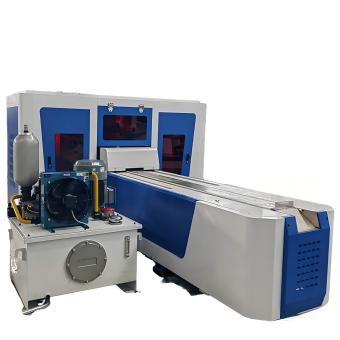
Suitable for repeated hole patterns and fixed-length cutting. Confirm the feeding range, clamp system, gripper dead zone, punching stations, cutting station, tooling change method and complete cycle time.
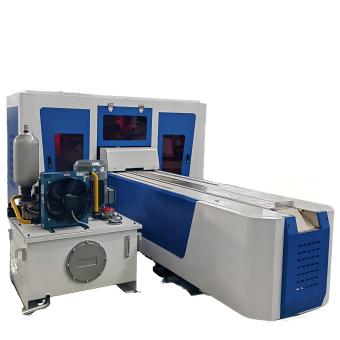
MX-303, MX-503 and MX-803 models combine punching, cutting and bending. Published model references cover 350–800 kN punching force and a Ø4.3–34 mm punch range.
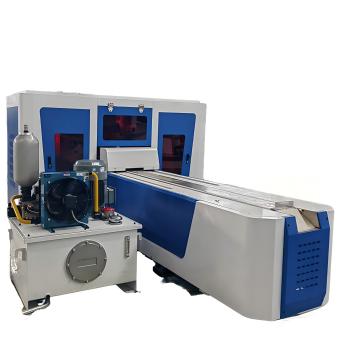
A flexible alternative for lower-volume production and changing specifications where manual positioning is acceptable. Confirm punching force, throat depth, tooling range, material support and operator positioning requirements.
Which Busbar Punching Configuration Should You Choose?
| Production Requirement | Starting Configuration | Main Check |
|---|---|---|
| Repeated hole coordinates | CNC servo-positioning machine | Controlled axes and positioning method |
| Punching plus fixed-length cutting | CNC punching and shearing line | Feeding range and clamp dead zone |
| Punching, cutting and bending | MX-series 3-in-1 machine | Capacity of every station |
| Flexible low-volume work | Hydraulic punching machine | Tooling and manual positioning |
The correct machine is not necessarily the configuration with the highest punching force. It is the machine that can reach every required hole position, use the correct tooling and produce acceptable parts at your required output.
What Should You Confirm in a CNC Busbar Punching Machine?

Confirm which axes are servo-controlled, their effective travel and how the machine locates the busbar length and width. CNC program storage does not automatically mean that material feeding is fully automatic.

Confirm the included round and slotted-hole dies, applicable material thickness for each die, die-change method, replacement lead time and availability of customized tooling.

Confirm the minimum and maximum raw-bar length, clamp reach, gripper dead zone, short-part handling, material support and whether repositioning is required for long workpieces.

Confirm coordinate input, drawing-import capability, program storage, user permissions, emergency stops, limit protection, guards and overload protection for the approved configuration.
How Should Busbar Punching Accuracy Be Verified?
Do not use positioning accuracy, hole-position accuracy, repeatability and finished-hole quality as interchangeable terms.
Positioning accuracy describes how closely the feeding or positioning system reaches a commanded coordinate. Hole-position accuracy describes the measured location of the finished hole relative to the drawing datum. Repeatability describes variation across repeated parts. Finished-hole quality also includes diameter, slot dimensions, burr height, edge deformation and surface condition.
| Check | What to Measure |
|---|---|
| Hole Position | X and Y coordinates from the agreed datum |
| Hole Geometry | Diameter or slot length and width |
| Edge Quality | Burr, deformation and surface marks |
| Repeatability | Multiple consecutive finished parts |
Do not publish a general ±0.1 mm claim until the exact model, measurement datum, material, workpiece length and FAT method are confirmed.
How Does Multi-Hole Busbar Punching Work?
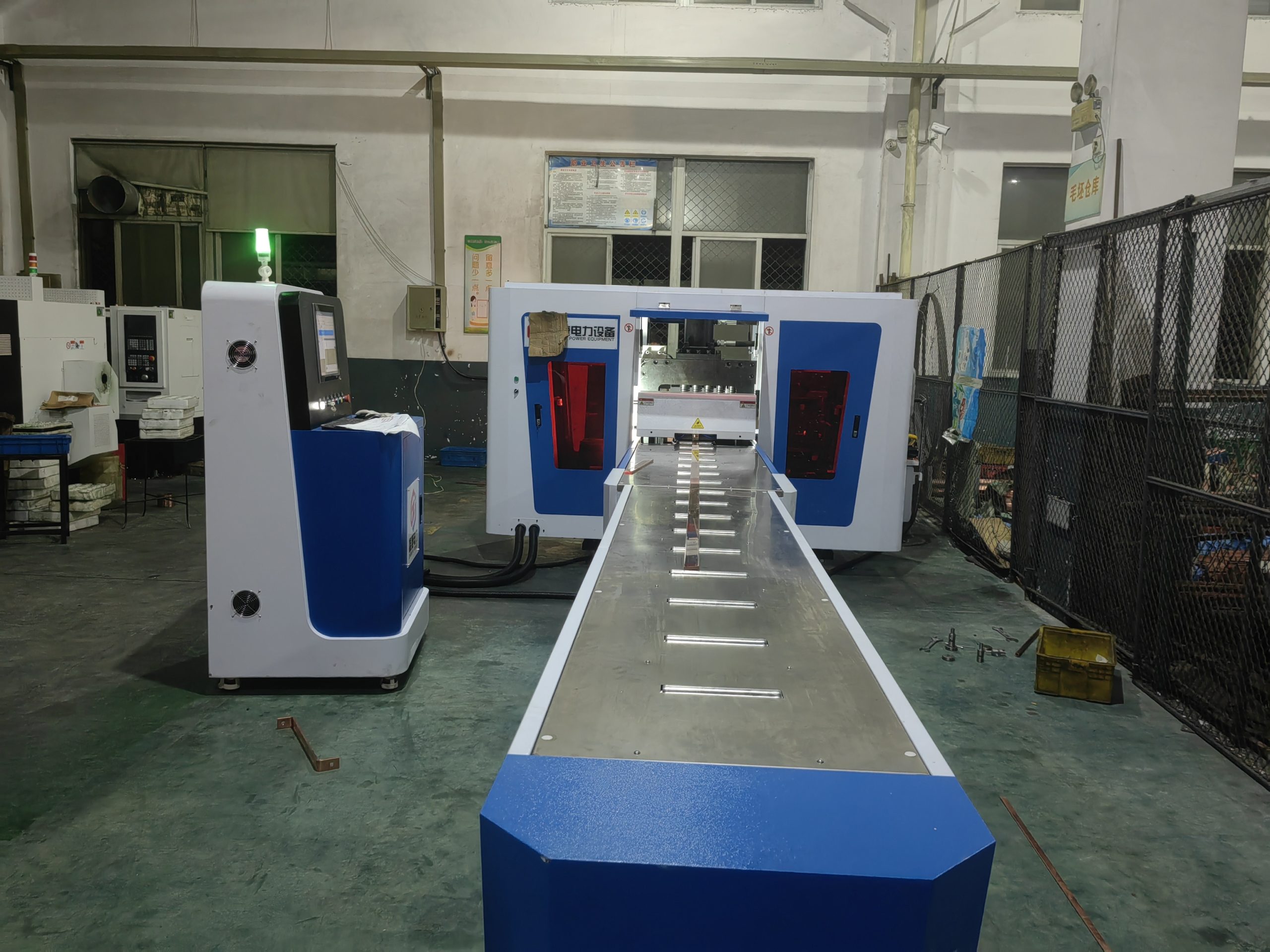
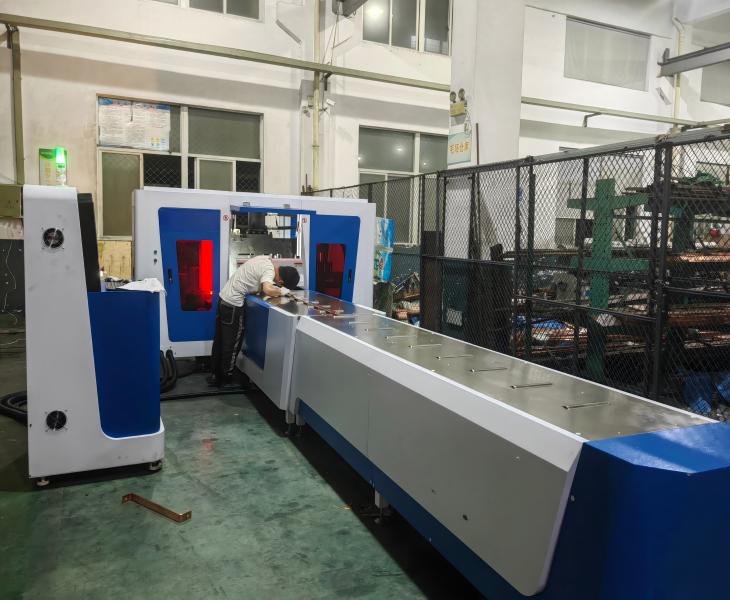
A CNC punching program can store multiple hole coordinates and process them in sequence after one material setup. This reduces repeated manual measurement, but it does not necessarily mean that several holes are punched at exactly the same time.
Confirm whether the approved machine uses one punch station, several fixed stations or an automatic die library. Also confirm whether tool changes are manual or automatic and whether repositioning is required when the workpiece exceeds the effective positioning range.
How Should CNC Busbar Punching Output Be Compared?
Do not compare machines using hydraulic stroke frequency alone. Complete cycle time should include loading, clamping, positioning, tool selection or die change, punching, repositioning, unloading and inspection.
For a fair supplier comparison, process the same material and drawing. Record the number of operators, setup time, complete cycle time, conforming parts, rejected parts and any manual repositioning.
Stable and Efficient Operation with Convenient Maintenance
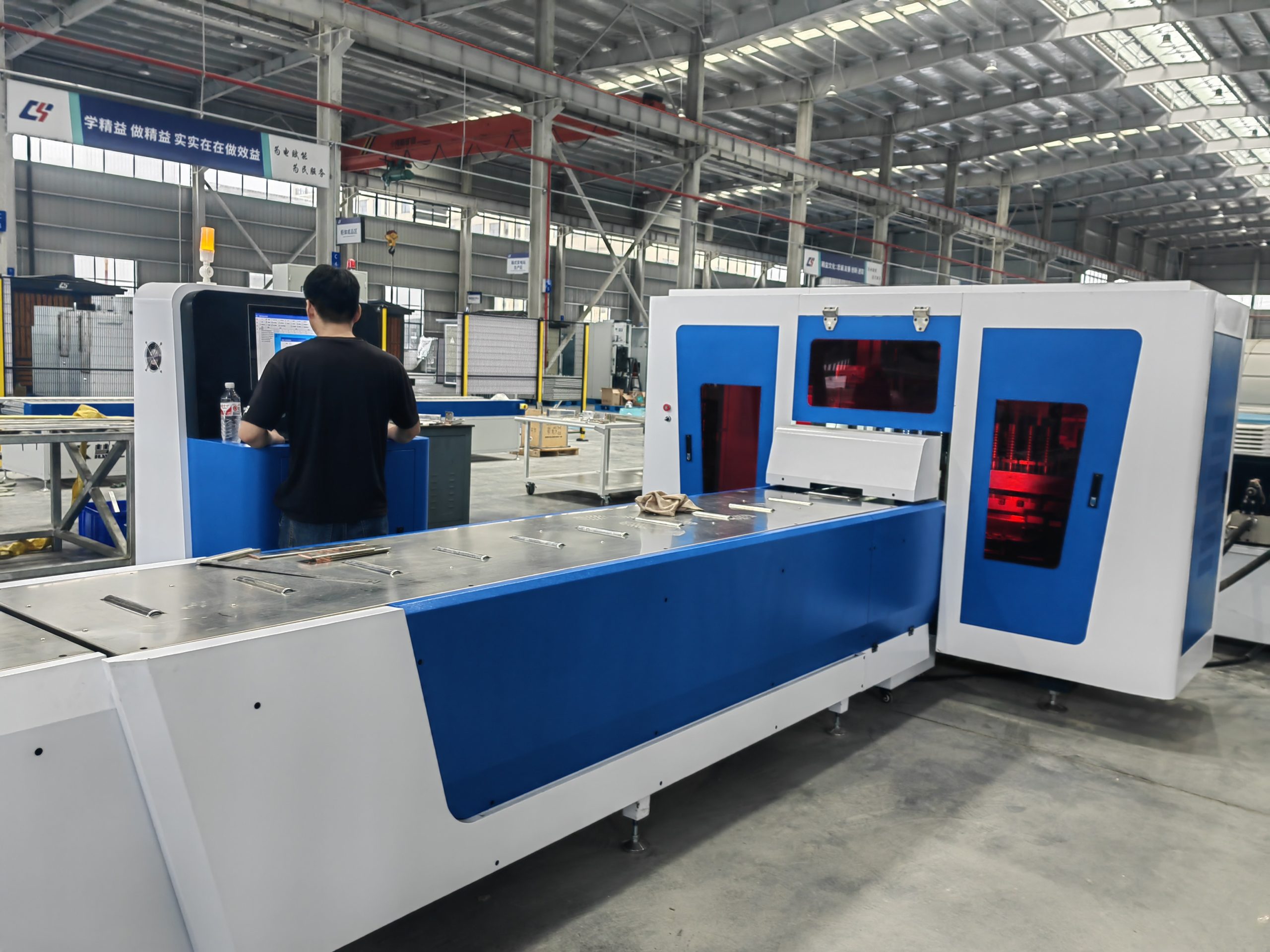
The equipment features a simpler operating process, reducing production costs and downtime risks.
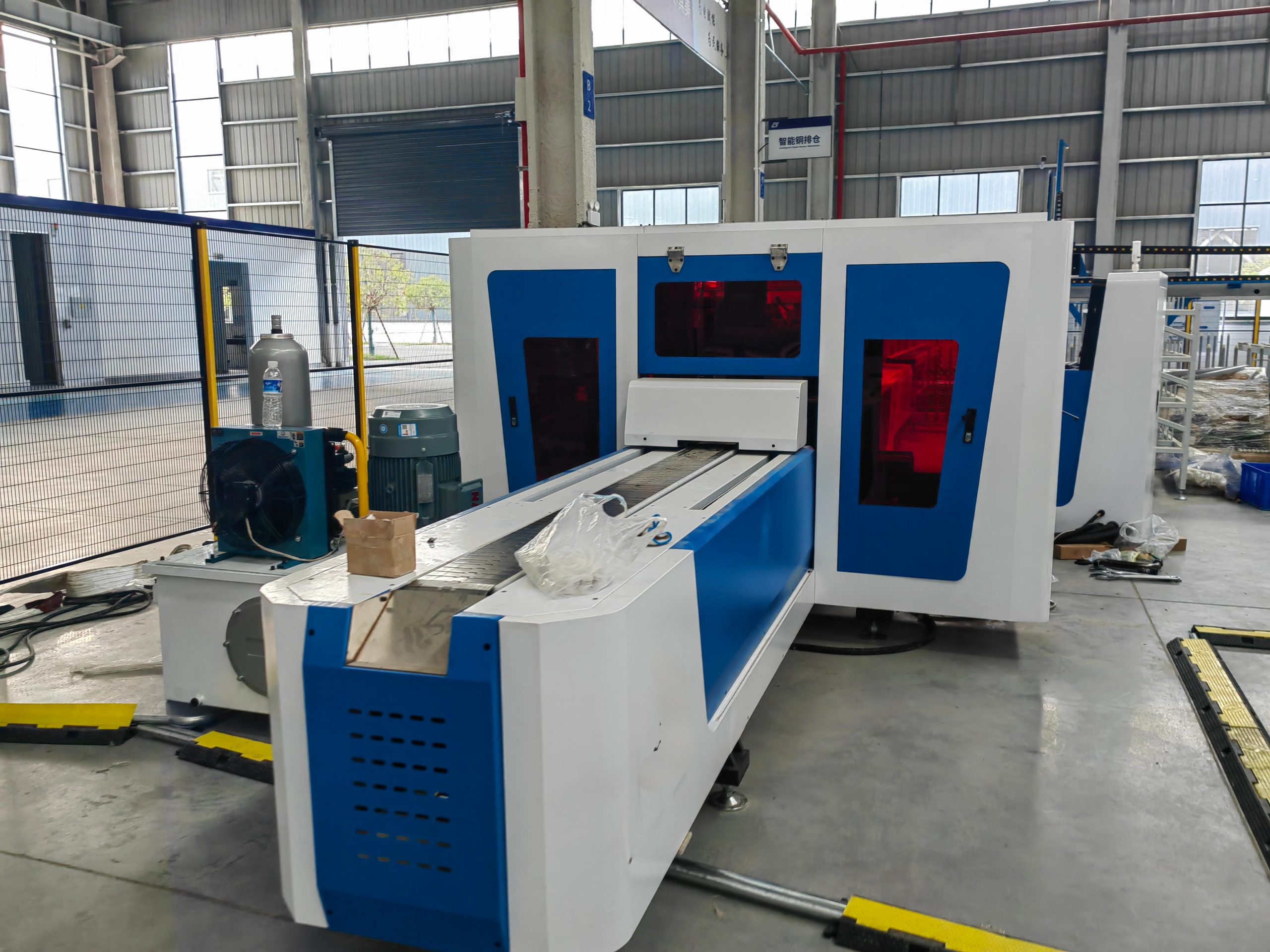
The approved operating procedure should identify material loading, coordinate entry, program recall, die selection, first-part inspection and correction. Operator training should include both machine control and punching-tool inspection.
The maintenance plan should state lubrication points, hydraulic-oil requirements where applicable, punch and die inspection, alignment checks, sensor and limit testing, recommended spare parts and replacement intervals based on actual use.
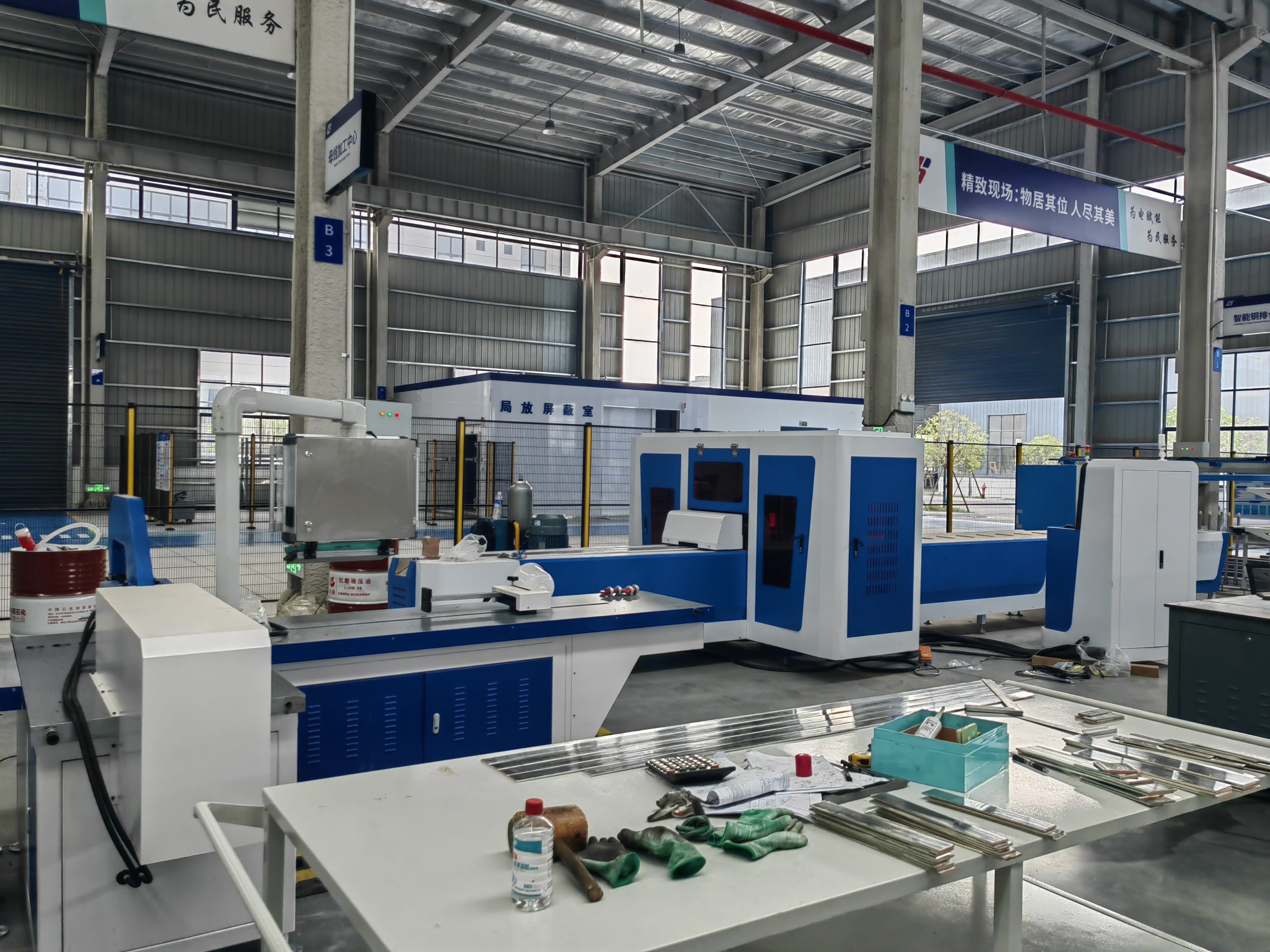
A China Top 10 busbar machine manufacturer list should be used as a supplier-research starting point rather than proof of punching accuracy or machine quality.
For a CNC punching project, compare the exact proposed model, controlled axes, material range, hole and slot tooling, positioning method, clamp dead zone, representative sample results, FAT documents and after-sales scope.
| Supplier Check | Evidence |
|---|---|
| Identity | Legal company name and factory information |
| Exact Model | Nameplate and configuration sheet |
| Punching Capability | Material, hole range and tooling |
| CNC System | Controlled axes and feeding method |
| Acceptance | Samples, FAT, documents and support |
Hydraulic describes how the punching force is generated. CNC describes programmable control and positioning. A CNC busbar punching machine may still use a hydraulic punching system. Compare the controlled axes, feeding method, tooling and finished-part results rather than only the machine name.
No. Servo positioning accuracy describes movement of the positioning system. Finished-hole accuracy must be measured from the agreed drawing datum and can also be affected by tooling clearance, material movement, die condition and workpiece support.
It may process both materials with the approved machine, tooling and process settings. Confirm the material grade or alloy, temper, width, thickness, hole size and required finished quality separately.
A CNC program can process several hole coordinates in sequence after one setup. This does not necessarily mean that several holes are punched at exactly the same time. Confirm the number of punch stations and the die-change method for the approved model.
Confirm the material, thickness, hole or slot dimensions and applicable die. A machine’s maximum busbar size or nominal force does not prove that every hole can be punched through the maximum material thickness.
Provide the material standard, grade or alloy, temper, busbar width × thickness, raw length, hole and slot drawings, hole-to-edge distance, batch quantity, required tolerance, local voltage and preferred automation level.