
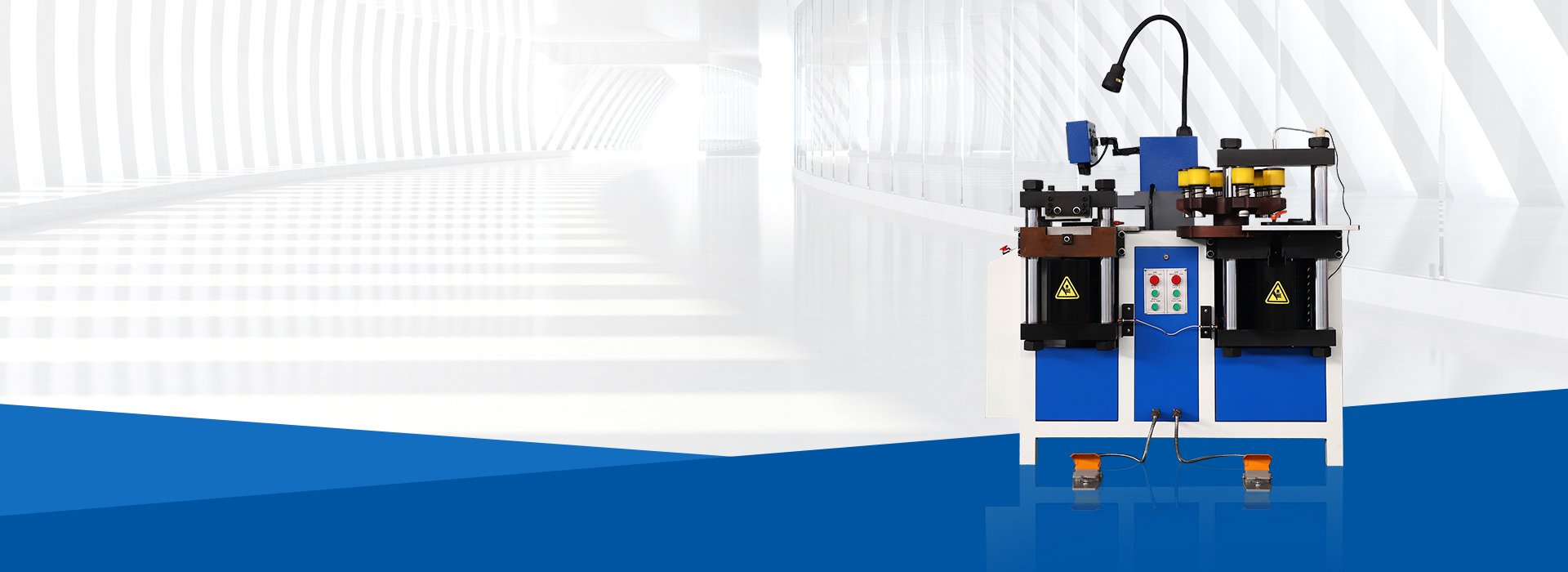
Your Copper Busbar Processing Machine Manufacturer
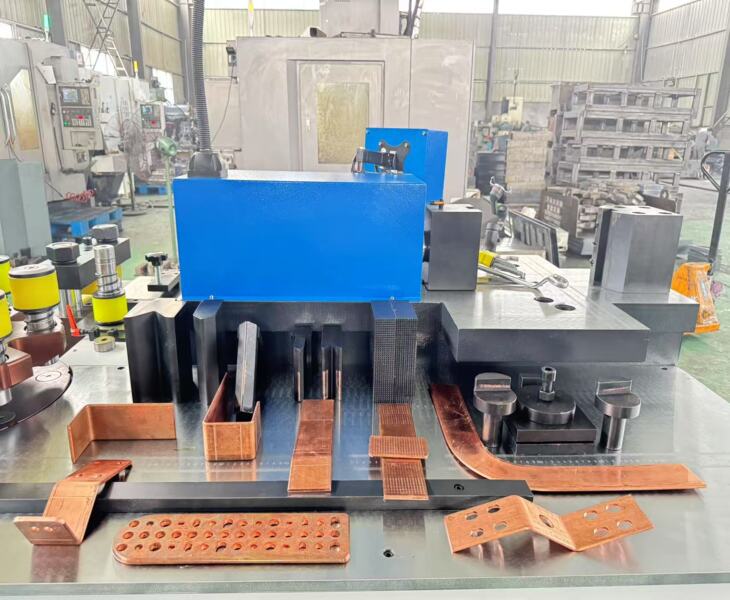
FengHua develops and manufactures copper busbar fabrication equipment for electrical cabinet, switchgear, transformer and power distribution equipment production. Available configurations include hydraulic, 3-in-1, CNC, automatic and customized busbar processing systems.Each machine solution is evaluated according to the customer’s busbar drawings, material, maximum width, maximum thickness, hole layout, bending structure, output target, workshop conditions and factory voltage. Standard or customized tooling can be configured for round holes, slotted holes, special hole patterns, flat bending, edge bending and offset forming.
Before shipment, FengHua checks the machine configuration, tooling setup, and processed samples according to the confirmed technical requirements. FengHua also provides installation guidance, operating documentation, spare-parts support, and remote technical selected machine configuration and project requirements.
Fenghua 3-in-1 Busbar Processing Machines
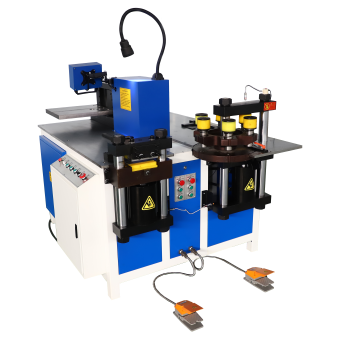
Cutting length, hole position and bending angle directly affect whether a finished busbar can be installed without repeated correction. Dimensional deviations may cause misalignment with circuit breakers, terminals, insulation supports and cabinet structures.With the correct machine model, CNC positioning helps improve the repeatability of cutting dimensions, punching positions, and bending angles across recurring parts. Final processing accuracy should be confirmed according to the selected model, busbar material, tooling condition, and inspection method.
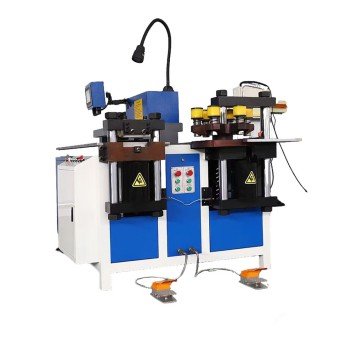
Machine configuration should be selected according to busbar material, maximum thickness, maximum width, hole diameter, hole type, bending angle and forming structure.Depending on the selected model and tooling, the equipment may process round holes, slotted holes, flat bends, edge bends, offset bends, U-bends and Z-bends. Special punching and bending requirements should be evaluated using engineering drawings before production.If both copper and aluminum busbars are required, confirm material hardness, processing force and tooling compatibility during model selection.
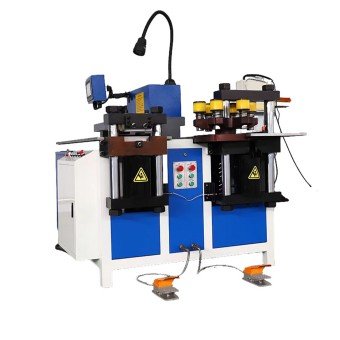
The machine frame, hydraulic system, tooling stations, and positioning components are designed for repeated copper busbar cutting, punching, and bending in electrical equipment factories. A rigid machine tooling alignment and workpiece stability during recurring production.Accessible operating and maintenance areas make hydraulic, positioning parts, and dies. Correct installation, routine lubrication, die inspection, and scheduled maintenance of machine operation.
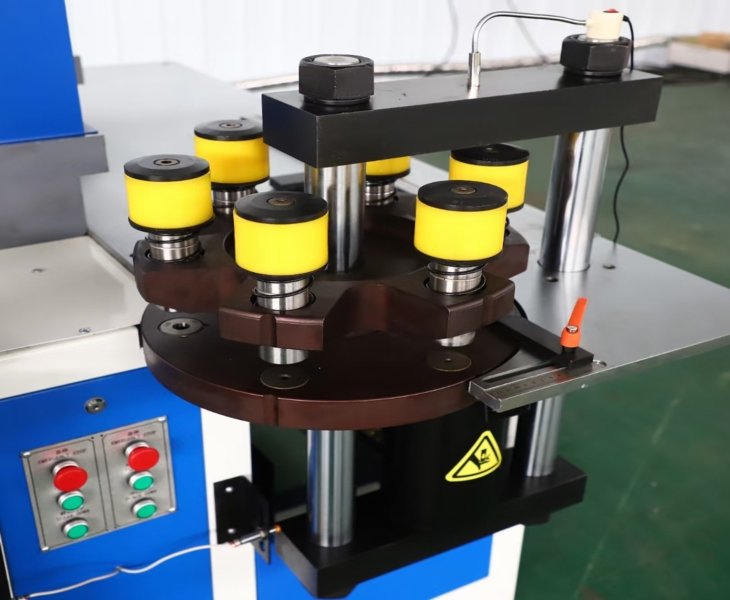
A 3-in-1 busbar processing machine combines dedicated cutting, punching and bending stations in one compact system. Operators can move the busbar between the three working stations without transferring the material to separate machines.This configuration reduces repeated material handling, simplifies workshop planning and saves floor space. The three functions are integrated into one machine, while the operating sequence and simultaneous working capability depend on the selected hydraulic and control configuration.
Key Benefits of FengHua Copper Busbar Processing Machines

Integrating cutting, punching and bending reduces the need to transport busbars between separate machines. Operators can complete multiple fabrication steps within one working area, helping simplify workshop scheduling and material flow.For recurring drawings, CNC parameter storage also reduces repeated measuring, marking and parameter-input steps. Actual production improvement varies according to product complexity, batch size, tooling changes and material-handling conditions.

Manual busbar fabrication requires repeated measuring, marking, positioning and checking. Processing consistency may vary between operators, especially when the workshop handles multiple busbar sizes and frequently changing orders.CNC-controlled positioning and reusable processing parameters reduce repetitive setup work and make recurring production easier to standardize. Operators remain responsible for material loading, tooling confirmation, first-piece inspection and machine supervision.

Accurate cutting dimensions, hole locations and bending structures help finished busbars align with circuit breakers, terminals, insulation supports and cabinet frames.More consistent processing reduces repeated fitting, hole correction, and on-site modification during cabinet assembly. Switchgear and electrical cabinet manufacturers produce recurring cabinet models.

Dedicated cutting, punching, and bending stations work together with hydraulic and electrical control components to support regular workshop production.FengHua provides an operating manual, maintenance guidance, and a recommended spare-parts list according to the selected machine model. Routine hydraulic-oil checks, lubrication, and fastener die replacement help reduce avoidable production interruptions.
Faster Changeover for Mixed Busbar Orders
Factories processing mixed orders often require dimensions, hole layouts, and bending structures. Repeated manual measuring, marking, and trial processing can extend setup time and interrupt production scheduling.
CNC parameter storage allows confirmed processing data to be recalled and adjusted for recurring input and positioning steps, while enabling first-piece inspection and new setup before batch production.
Changeover efficiency depends on drawing complexity, tooling replacement, operator experience, and production batch size. For recurring busbar drawings, saved programs help a manageable changeover process.
CNC Copper Busbar Processing System
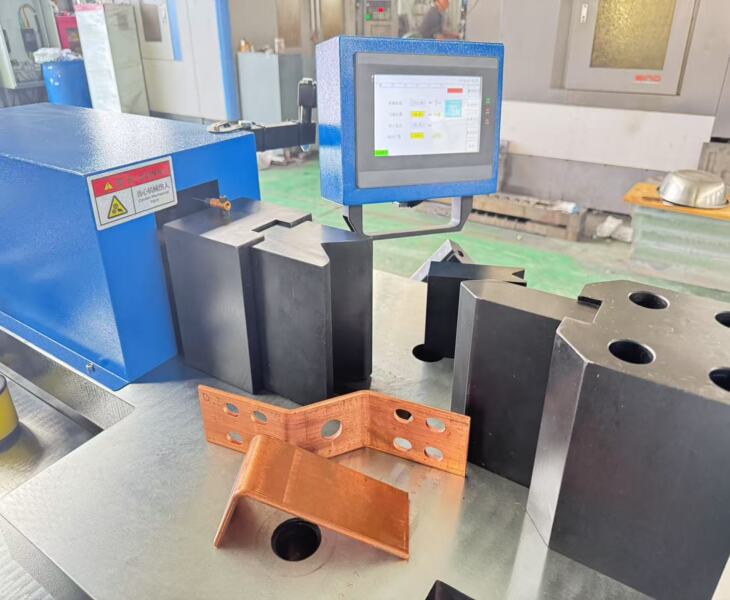
The CNC positioning coordinates, bending parameters, processing sequences and saved production programs according to the selected machine configuration.
For recurring products, operators can recall confirmed programs, check the current material and tooling, and complete first-piece verification before new products, drawings, and processing requirements are reviewed and the program and tooling setup are confirmed.
CNC is suitable for switchgear manufacturers, electrical cabinet factories, and OEM producers that handle repeated drawings, multiple cabinet models, or frequent product changeovers. It improves parameter management, processing repeatability, and production standardization.
Flexible Configuration for Different Busbar Projects
Different electrical busbar sizes, hole layouts, bending structures, and production quantities. FengHua configures standard or customized tooling according to the confirmed drawings and processing requirements.
Recurring products can use saved CNC programs, while products can be evaluated through drawing review, tooling selection and sample processing. Available configurations include CNC positioning, material-support devices, automated feeding options, production-data functions, and customized dies.
The technical quotation selected , tooling configuration, and optional functions.
Testimonials
In the past, processing copper busbars with various bending specifications frequently required manual measurement and adjustment; would impact subsequent assembly. Since adopting the Fenghua CNC busbar bending machine, we can simply input angle and dimension parameters, which have corrections.
Michael BrownPower Distribution Cabinet Production SupervisorPreviously, processing complex copper busbars relied heavily on operator experience; switching specifications required trial bends and setup times. With the Fenghua CNC copper busbar bending machine, much easier to control bending positions more precisely, making equipment changeovers significantly smoother.
Andreas MüllerElectrical Equipment Manufacturing Engineer
Installation requirements depend on the machine. Before delivery, confirm the factory voltage, floor condition, machine footprint, operating clearance, material-handling area and maintenance space. FengHua provides machine dimensions, electrical requirements, and installation guidance for workshop planning.
Confirm your busbar material, maximum thickness, maximum width, common production sizes, hole diameter, slot type, bending structure, daily output and workshop space. Hydraulic machines suit flexible low-volume production, while 3-in-1 and CNC models are more suitable for recurring electrical cabinet and switchgear orders.
Delivery time depends on the machine model, tooling configuration, CNC functions, factory voltage, optional automation, and current production schedule. Providing complete busbar drawings and technical requirements early helps FengHua confirm the configuration and production plan.
Yes. The machine can be configured for busbars, EV charging equipment and electrical control cabinets. Final machine capacity and tooling are confirmed according to the material, maximum dimensions, hole layout, bending structure, and required production volume.
Machine service life is affected by operating frequency, material specifications, tooling condition, lubrication, hydraulic maintenance, and electrical-system inspection. Following the operating manual increases production in time and reduces avoidable wear.