
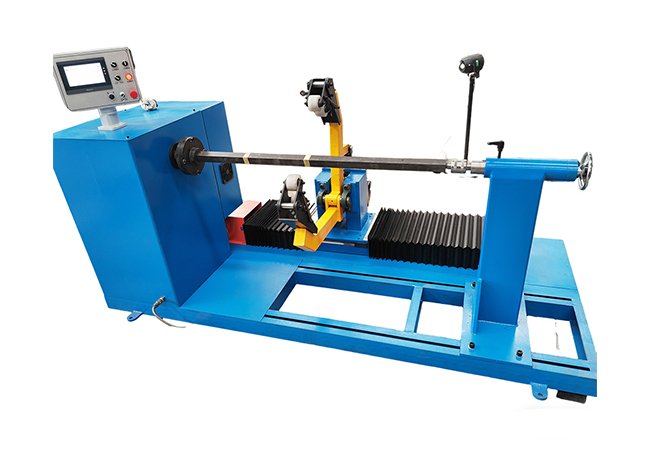
Distribution Transformer Winding Machine
Fenghua supplies distribution transformer winding machines for producing copper and aluminum coils used in oil-immersed and dry-type distribution transformers.
Different coil structures require different winding configurations. HV wire coils, LV wire or strip coils and LV foil coils should be evaluated separately according to the conductor specification, coil dimensions, winding load, insulation structure, mandrel and required automation level.
- HV and LV distribution transformer coil winding
- Copper and aluminum conductor applications
- Round wire, rectangular wire and strip winding configurations
- Dedicated foil winding configurations for LV foil coils
- Manual and automatic conductor-guiding options according to machine type
- Customized mandrels and fixtures based on coil drawings
- Representative coil FAT before shipment
- Technical Specifications
- Distribution Transformer Coil Winding Performance
- Distribution Transformer Winding Machine Selection Table
Distribution transformer winding machines should be selected according to the actual coil structure rather than the transformer power rating alone. For wire and strip winding applications, the RX-2 horizontal winding machine provides a representative Fenghua project configuration.
| Item | RX-2 Representative Project Configuration |
| Product Type | Horizontal Transformer Winding Machine |
| Typical Application | Power and Distribution Transformer Wire / Strip Coils |
| Processing Material | Copper or Aluminum Wire / Strip According to Configuration |
| Specified Winding Load | ≥2,000 kg |
| Spindle Speed | 0–70 r/min |
| Maximum Spindle Torque | ≥400 N·m |
| Motor Power | 5.5 kW |
| Effective Spindle Length | 1,500 mm |
| Tailstock Telescopic Stroke | 0–100 mm |
| Winding Direction | Forward and Reverse |
| Turn Counter | Electronic Digital Counter |
| Counting Range | 0–9,999 Turns |
| Power-Off Memory | Available |
| Speed Control | Variable-Frequency Control |
| Material Loading | Manual |
| Mandrel and Fixture | Confirmed According to Coil Drawing |
| Item | Buyer Verification |
| Winding Load | Confirm the operating load with the agreed mandrel and representative coil |
| Spindle Speed | Confirm the usable range under the actual conductor and winding load |
| Spindle Torque | Verify torque under representative winding conditions |
| Turn Counting | Test forward counting, reverse counting and power-off memory |
| Conductor Guiding | Confirm manual or automatic guiding according to configuration |
| Tension Control | Confirm the control method and adjustment range |
| Layer Arrangement | Inspect against the approved winding and insulation drawing |
| Insulation Placement | Confirm the manual or assisted insulation workflow |
| Braking | Verify stopping performance at an agreed load and speed |
| Finished Coil | Inspect turns, dimensions, layers, leads and surface condition |
| Machine Configuration | Main Function | Key Selection Data | Recommended For |
| HV Wire Winding Machine | Multi-layer high-voltage coil winding | Wire size, turns, layers, insulation, tension and traverse | Distribution transformer HV coils |
| LV Wire / Strip Winding Machine | Low-voltage conductor winding | Conductor profile, winding load, torque, coil dimensions and mandrel | Distribution transformer LV wire and strip coils |
| LV Foil Winding Machine | Copper or aluminum foil winding with interlayer insulation | Foil width, thickness, tension, edge alignment, insulation and joining method | Distribution transformer LV foil coils |
| Automatic Wire-Traversing Winding Machine | Controlled conductor traverse with programmable winding functions | Traverse range, pitch, tension method, conductor size and program functions | Repeated HV or LV wire-wound coils |
The same machine name does not confirm suitability for every distribution transformer coil. Final selection should be based on the finished coil drawing, conductor specification, winding load, mandrel, layer structure, insulation process, automation requirements and production output.
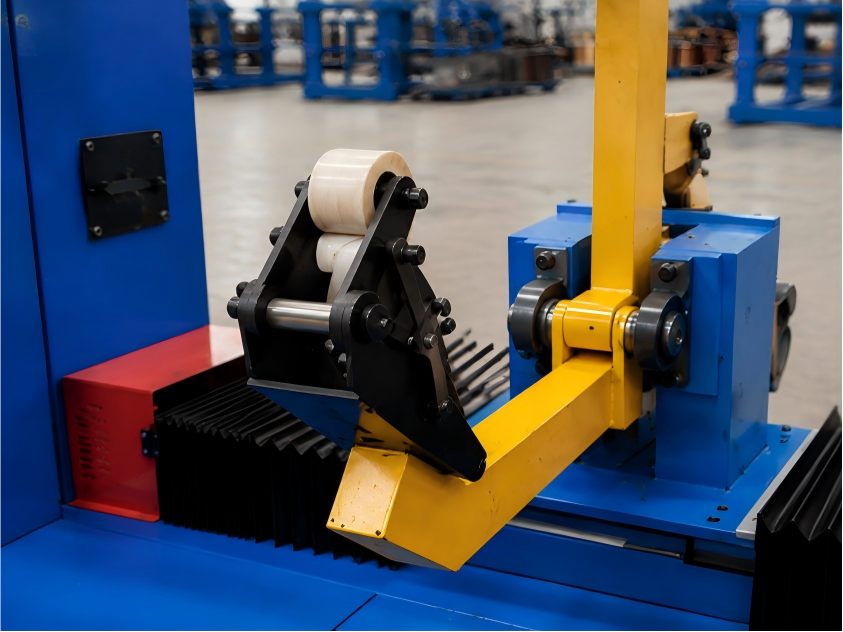
High-Voltage and Low-Voltage Coil Production
Distribution transformers normally contain different winding structures according to voltage requirements. The winding process must match the electrical design and mechanical structure of each coil.
For high-voltage windings, the machine focuses on precise conductor arrangement, stable tension and consistent layer spacing. For low-voltage windings, wider conductors or foil materials may require specialized feeding and alignment systems.
The final winding quality depends on:
- Transformer rated capacity
- Primary and secondary voltage requirements
- Copper or aluminum conductor dimensions
- Insulation material thickness
- Number of winding layers
- Required coil compression and forming accuracy
- Production speed and process parameters
For new transformer designs or special coil structures, sample winding tests are recommended before continuous production.
Flexible Configuration for Different Distribution Transformer Designs
Distribution transformer manufacturers may produce different transformer specifications on the same production line. The winding machine can be configured with different accessories and functions according to production requirements.
Available configurations include:
- Adjustable winding mandrels for different coil diameters
- Conductor guiding devices for different wire profiles
- Foil alignment systems for wide conductors
- Hydraulic or pneumatic clamping systems
- Automatic tension regulation systems
- PLC-based parameter setting and operation monitoring
Customized machine configuration should be confirmed according to transformer drawings, coil dimensions and production workflow.
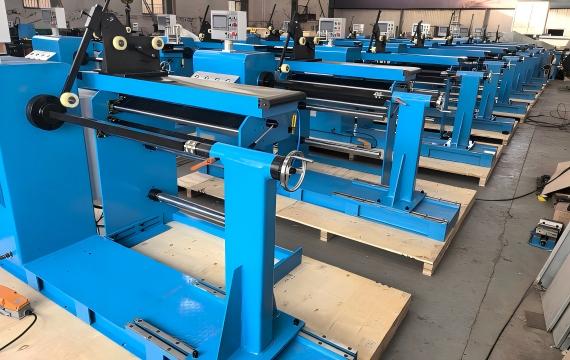
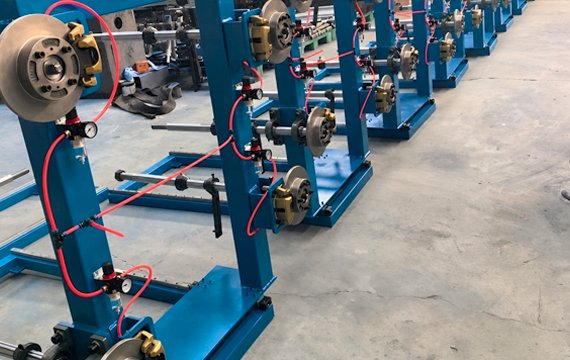
Applications in Distribution Transformer Manufacturing
With the correct machine and tooling configuration, Fenghua winding equipment can support coil production for:
- Pole-mounted distribution transformers
- Pad-mounted distribution transformers
- Oil-immersed distribution transformers
- Dry-type distribution transformers
- Industrial distribution transformers
- Commercial power distribution equipment
- Renewable-energy distribution transformers
- Customized distribution transformer designs
Machine selection should be based on the coil manufacturing requirements rather than the installation application alone. For customized transformers, send the finished coil and mandrel drawings before quotation so the conductor, load, guiding method, tension system, tooling and FAT requirements can be reviewed together.
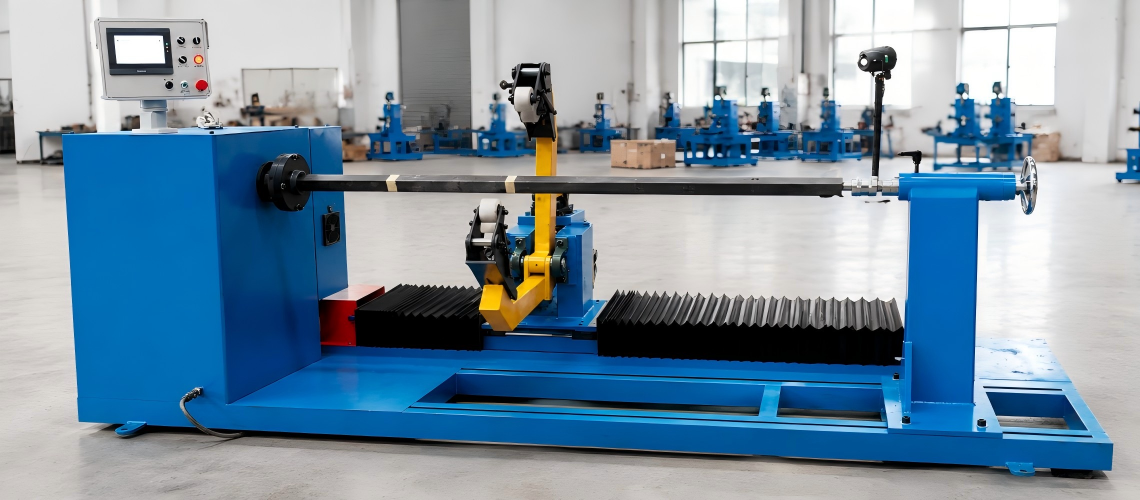
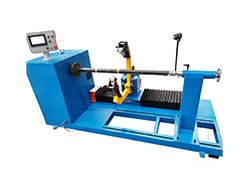
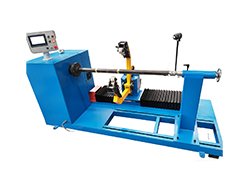
A distribution transformer winding machine produces HV or LV coils from copper or aluminum conductors according to an approved coil design. The machine configuration depends on the conductor, coil dimensions, winding load, mandrel and insulation process.
It depends on the conductor format, winding load, coil dimensions, torque, guiding system and tooling. HV and LV winding requirements should be reviewed separately against their finished coil drawings before confirming one common machine.
Yes, suitable configurations can process copper or aluminum conductors. The conductor material, shape, cross-section, insulation and winding tension should be confirmed before machine selection.
A dedicated foil winding machine is required when the LV coil uses wide copper or aluminum foil. Foil winding normally requires dedicated decoiling, tension control, edge alignment, insulation feeding and conductor joining that are not included in a conventional wire winding machine.
No. Automatic wire traversing is a separate configuration. Confirm the traverse axis, travel range, pitch adjustment, synchronization method, guiding system and applicable program functions in the technical quotation.