
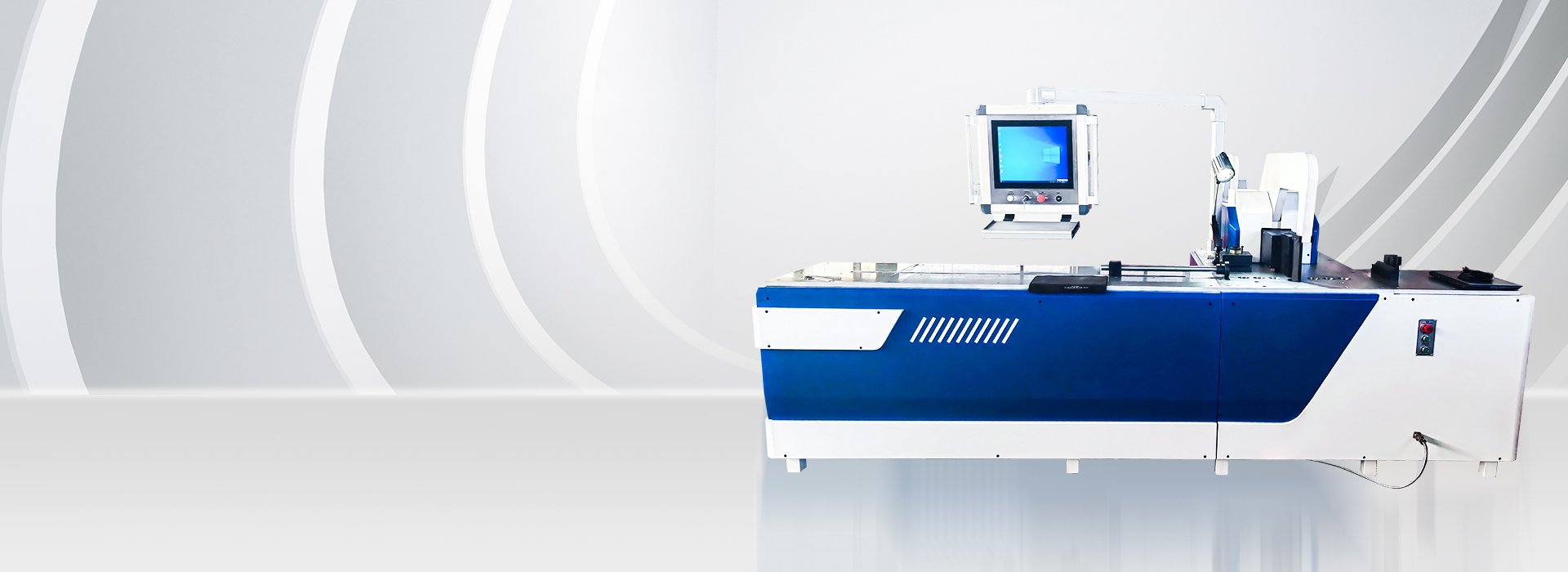
Quick Answer: How Should You Select a Busbar Cutting and Bending Machine?
Select a busbar cutting and bending machine according to the material grade or alloy, temper, maximum width × thickness, raw-bar length, finished cutting length, bending direction, inside radius, minimum short-leg length, tooling, positioning method, and required output.
Do not select a machine only by nominal force or an overall catalogue maximum. Confirm cutting, flat-bending and vertical-bending capacity separately for the exact proposed model.
GJBM303, GJBM503 and GJBM803 are integrated machines that also include a punching station. Confirm whether your workflow requires all three functions or only cutting and bending.
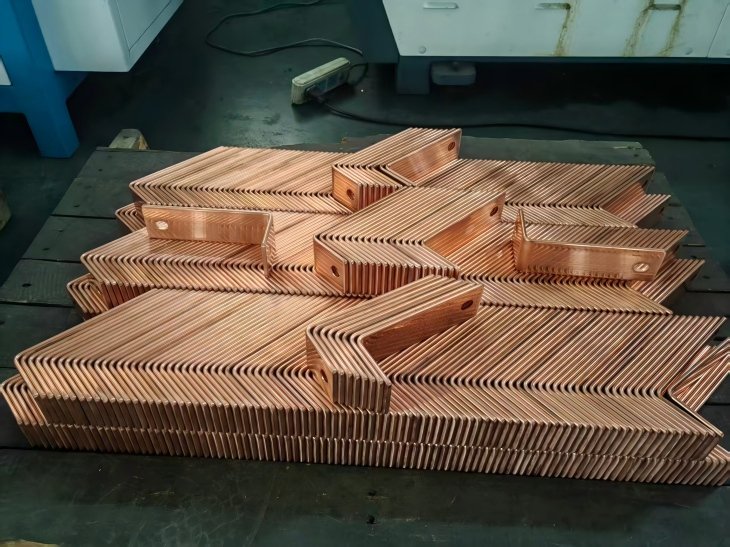
Busbar Cutting and Bending Machine Manufacturer for Drawing-Based Production
FengHua configures busbar cutting and bending equipment according to the finished workpiece rather than only the nominal cutting or bending force.
Before quotation, the engineering review should confirm the material grade or alloy, temper, regular and maximum width × thickness, raw-bar length, finished cutting lengths, bending direction, angle, inside radius, minimum short-leg length, bend sequence, finished tolerances and batch mix.
The technical quotation should identify the exact machine model, capacity of each station, blade configuration, included and optional bending tools, positioning method, material-handling requirements, electrical configuration, FAT samples, documentation, warranty and spare-parts scope.
Fenghua Copper-Aluminum Busbar Shearing and Bending Series
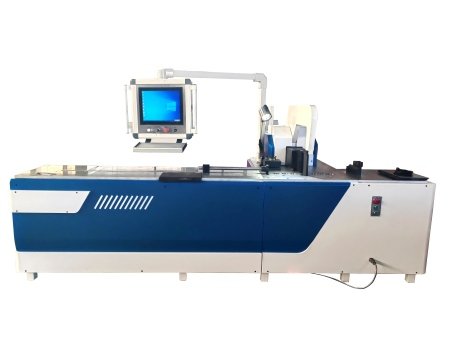
An integrated cutting, bending and punching configuration with an overall source-sheet processing reference of 160 × 16 mm, 350 kN cutting force and 350 kN bending force.
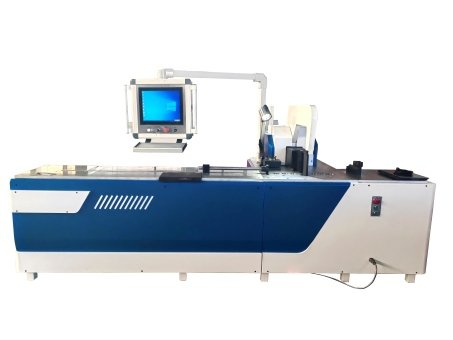
Designed specifically for processing copper and aluminum conductive busbars, the equipment provides more stable forming effects and processing results. Fenghua can meet your dimensional and assembly requirements for electrical connectors.
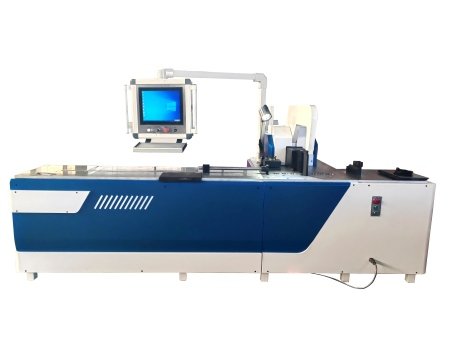
Fenghua’s CNC system supports parametric adjustment, allowing you to quickly set processing dimensions and process parameters according to different specifications. This simplifies your production adjustments and reduces manual intervention.
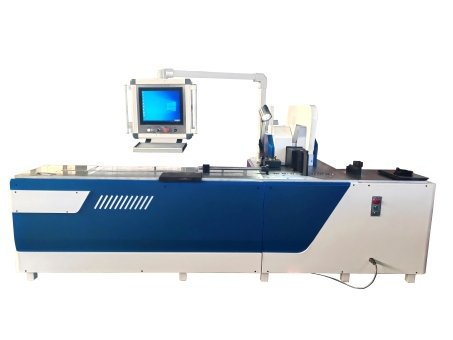
The equipment is suitable for processing copper and aluminum conductive busbars of various specifications. You can adjust production according to orders, meeting the diverse needs of your power and industrial power distribution systems.
What Should You Confirm in a Busbar Cutting and Bending Machine?

Confirm cutting, flat-bending and vertical-bending capacity separately. An overall width and thickness reference does not automatically apply to every station and tool.

Confirm the blade material, clearance, replacement method, finished length, cut-face condition, burrs, deformation and inspection method.

Confirm the included dies, inside radius, minimum short-leg length, tooling clearance, bend direction and first-part springback correction method.

Confirm which positioning axis is controlled and which loading, alignment, transfer, tool-change, unloading and inspection steps remain manual.
Improve Copper and Aluminum Busbar Processing Management
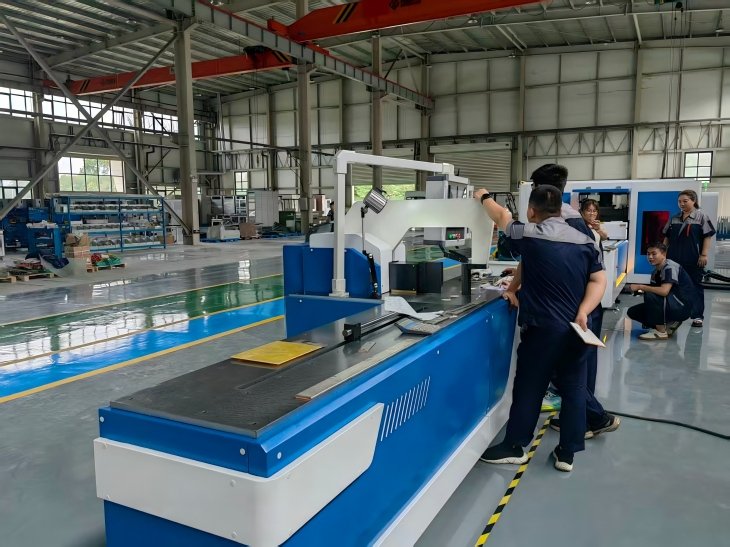
Your different product specifications require frequent production scheduling. Equipment waiting time, manual coordination, and process integration all affect delivery schedules. Feng Hua’s equipment can help you shorten production preparation time, making your processing plans easier to arrange, reducing equipment idle time, and making your workshop more efficient.You can quickly organize processing tasks according to the production plan without frequent adjustments affecting the overall schedule. Feng Hua’s equipment helps you increase capacity, reduces production organization difficulty, and allows each of your processes to proceed according to plan.
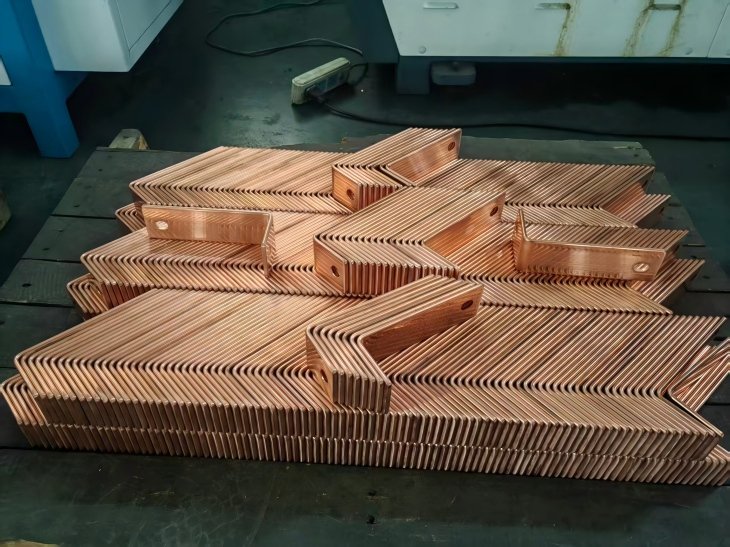
Busbar Cutting and Bending Applications
| Application | Typical Requirement | Main Check |
|---|---|---|
| Switchgear | Repeated lengths and cabinet profiles | Datum, angle and assembly fit |
| Electrical Panels | Mixed drawings and frequent changes | Changeover and first-part approval |
| Transformers | Wider or longer conductors | Support, force and tooling |
| Busduct Systems | Repeated conductor geometry | Length, double-end bends and output |
| Energy Storage | Compact busbar profiles | Short legs and tooling clearance |
These are application references. Final machine selection still requires review of the actual material and drawings.
How Should Busbar Cutting Quality Be Verified?
Positioning accuracy and finished cutting-length accuracy should not be treated as the same value.
The finished result can also be affected by the blade, clearance, material movement, support, clamping and measurement method.
During FAT, record the material, required finished length, measured length, cut-face condition, burrs, deformation and results from multiple consecutive parts.
| Check | What to Measure |
|---|---|
| Length | Required and measured finished length |
| Cut Face | Squareness and deformation |
| Edge | Burrs and surface marks |
| Repeatability | Multiple finished parts |
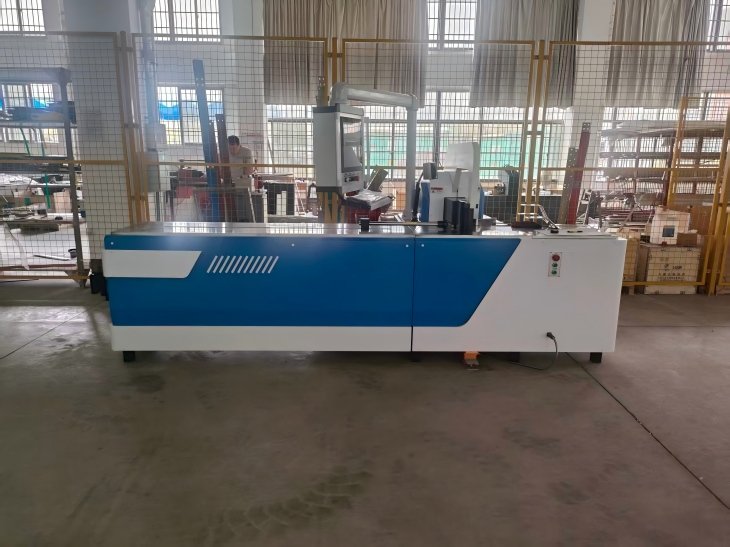
Reduce Secondary Processing
Dimensional deviations in copper and aluminum busbars can easily affect on-site installation and increase rework time. Fenghua helps you reduce on-site cutting, trimming, and remanufacturing. Your processed copper and aluminum busbars can enter the installation phase faster, reducing your construction pressure.
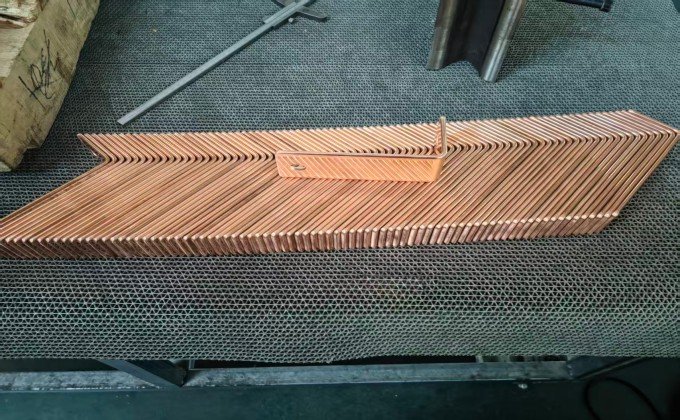
Improper processing, material preparation, and assembly arrangements can easily lead to material backlog or waiting. You can schedule processing according to the project progress. Fenghua allows your copper and aluminum busbars to be put into subsequent processes in batches, reducing your material holdings and improving workshop turnover efficiency.
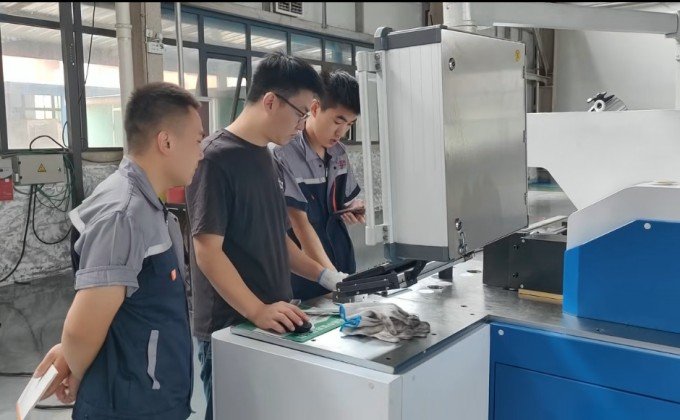
Different engineering projects have different requirements for the dimensions, hole positions, and bending of copper and aluminum busbars. You can arrange processing tasks according to the drawing requirements. Fenghua can reduce remanufacturing due to dimensional deviations, making your project implementation smoother.
It cuts copper or aluminum busbars to the required length and forms them into the profiles needed for switchgear, electrical panels, transformers, busduct systems and other electrical equipment.
Yes. The uploaded GJBM source sheet lists cutting, bending and punching as the three machine functions. The current page focuses on cutting and bending requirements, but the supplied GJBM configurations are integrated three-function machines.
Not automatically. The uploaded dimensions are overall model-level processing references. Cutting, flat-bending and vertical-bending capacities should be confirmed separately.
It may process both materials with the approved blades, dies and settings. Confirm the material grade or alloy, temper, width, thickness, cutting requirement, bend direction and radius separately.
No. Servo positioning accuracy describes movement of the positioning system. Finished cutting length, bend position and released bending angle must be measured on the completed workpiece.
Provide the material grade or alloy, temper, width × thickness, raw-bar length, finished cutting lengths, bend direction, target angle, inside radius, minimum short-leg length, required tolerance, batch quantity, local voltage and drawings.
Related Products
 Hydraulic Bending Busbar Machine
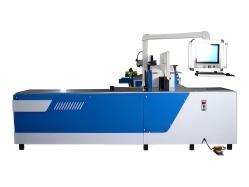 Hydraulic Copper Busbar Bending Machine
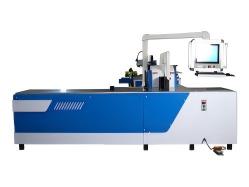 Durable hydraulic busbar bending machine
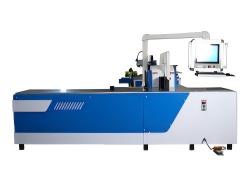 Hydraulic Busbar Bending Machine for Aluminum Busbars