
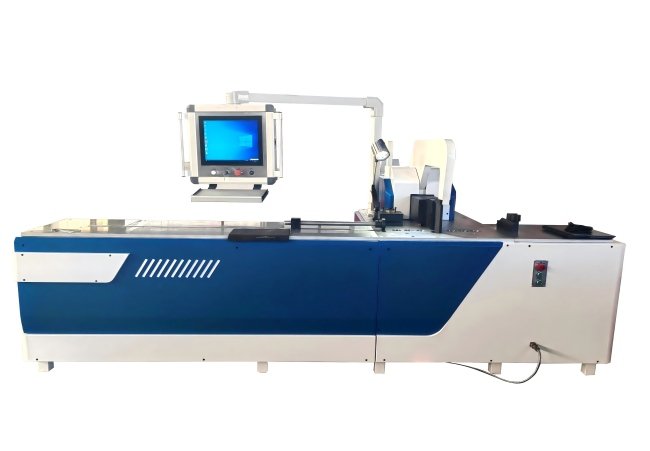
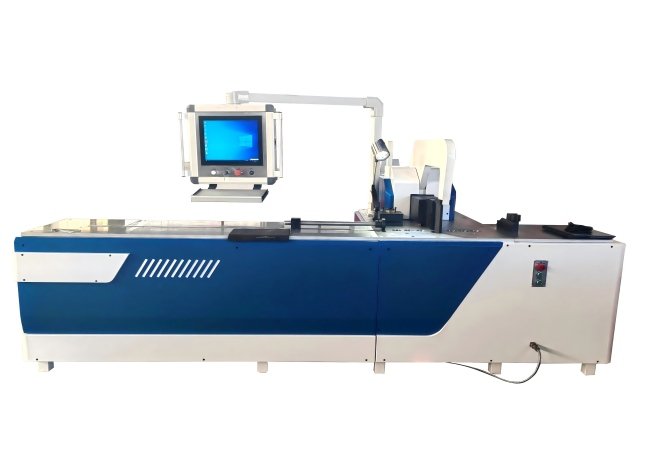
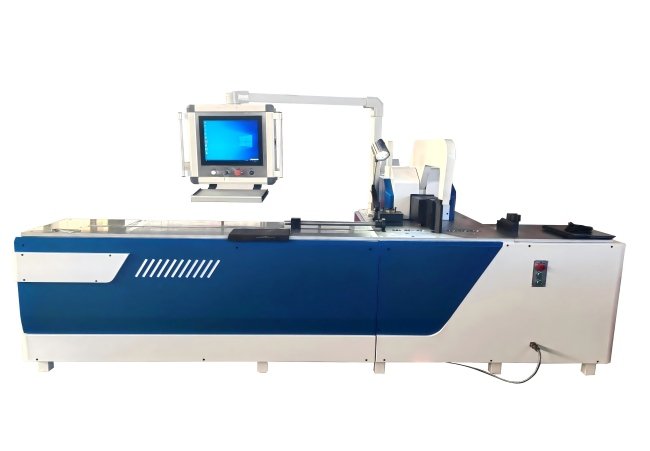
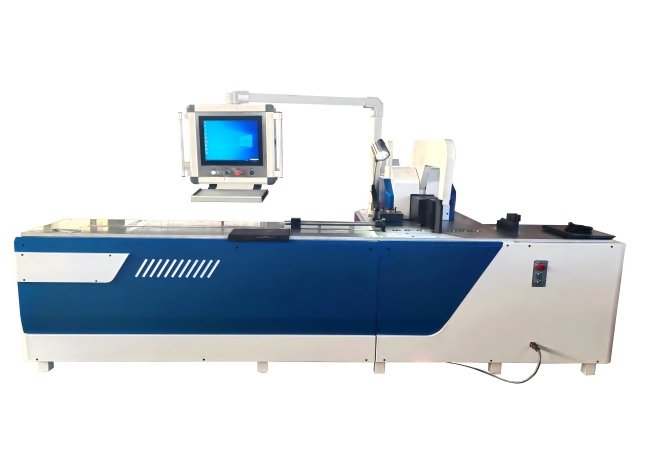
Hydraulic Busbar Bending Machine
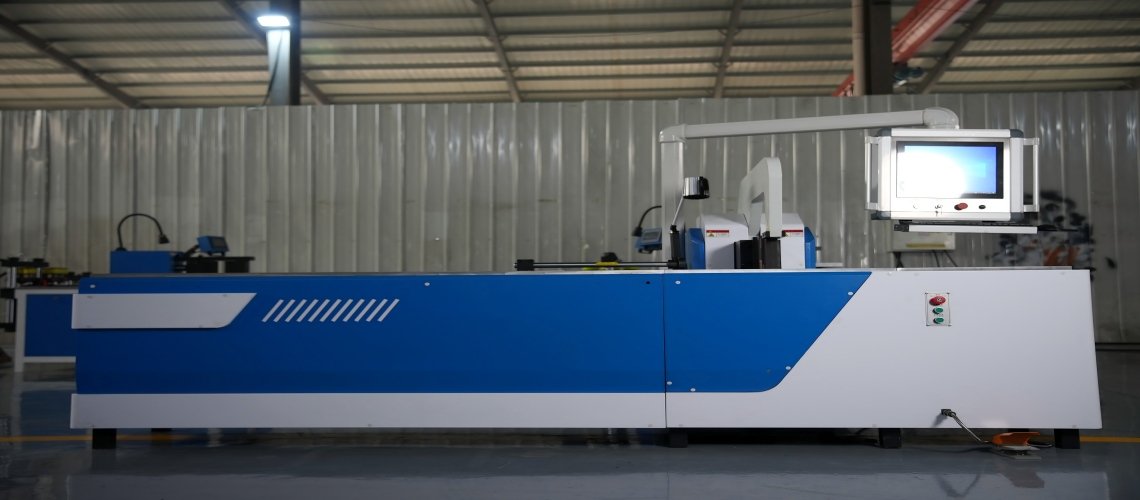
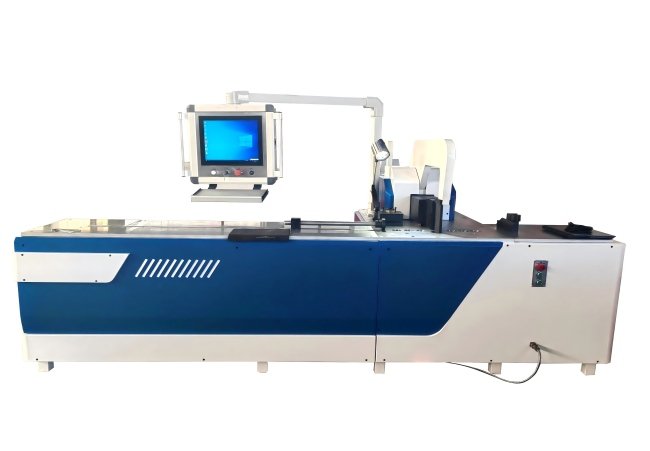
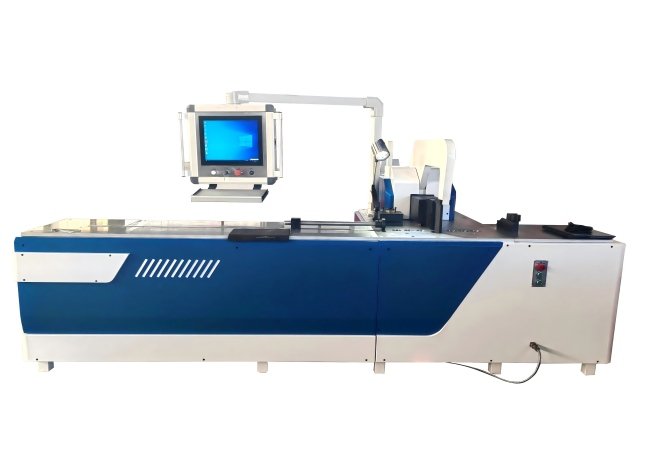
The Hydraulic Busbar Bending Machine is widely utilized in the manufacturing sectors of power distribution cabinets, electrical equipment, and busbar systems. Employing a mature hydraulic drive mechanism, it delivers stable output and is well-suited for high-volume processing environments, capable of meeting the bending requirements for busbars of various specifications.
- Features a hydraulic drive system for stable and reliable output.
- Suitable for a wide range of busbar materials, including copper and aluminum bars.
- Ideal for mass production applications within the electrical equipment industry.
- DataSheet
| Parameter | Value |
| Model | Hydraulic Busbar Bending Machine |
| Nominal Pressure | 400 KN |
| Max Bending Thickness | 16 mm |
| Max Bending Width | 200 mm |
| Bending Angle Range | 0° – 135° |
| Angle Accuracy | ±1° |
| Stroke Length | 200 mm |
| Motor Power | 5.5 kW |
| Hydraulic Pressure | 25 MPa |
| Oil Tank Capacity | 80 L |
| Voltage | 380V / 50Hz |
| Control Type | Manual / Semi-Automatic |
| Machine Weight | Approx. 3000 kg |
| Machine Dimensions | 3200 × 1200 × 1600 mm |
| Functions | Busbar Bending |
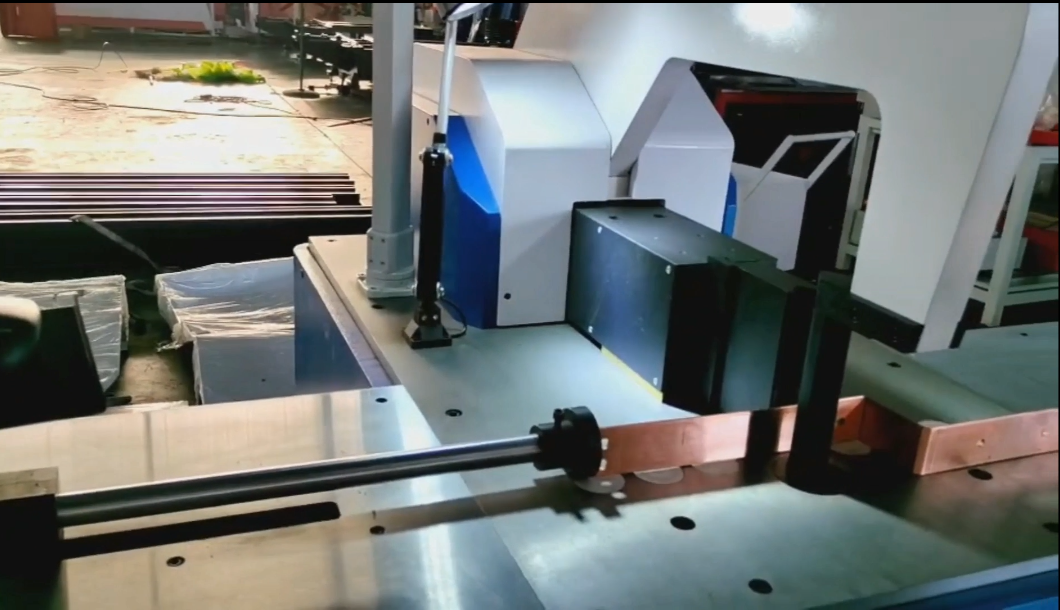
Stable Hydraulic Bending System
The Stable Hydraulic Bending System utilizes a proven hydraulic transmission system capable of delivering a steady pressure of up to 25 MPa, thereby ensuring consistent bending performance. It supports continuous operation for over 8–10 hours per shift, making it ideally suited for mass production environments. During processing, the system operates smoothly with minimal fluctuation, guaranteeing stable bending results across multiple cycles and enhancing the overall efficiency of your production workshop.
Reinforced Mechanical Structure
The Hydraulic Busbar Bending Machine features a high-strength steel frame structure with reinforced critical load-bearing components, enabling it to withstand heavy-duty bending operations. This rigid structure ensures stable performance under high pressure and helps maintain consistency in processing results. With a substantial weight of approximately 3,000 kilograms, the machine effectively minimizes vibration during operation, thereby enhancing the overall production efficiency of your manufacturing line.
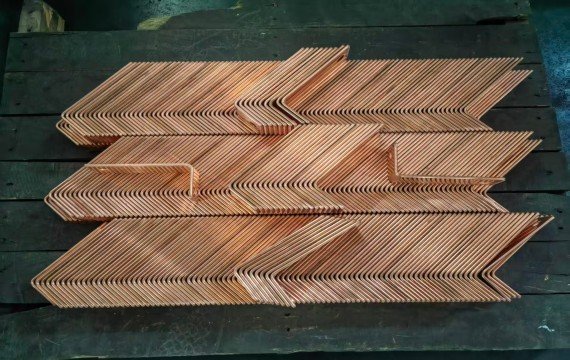
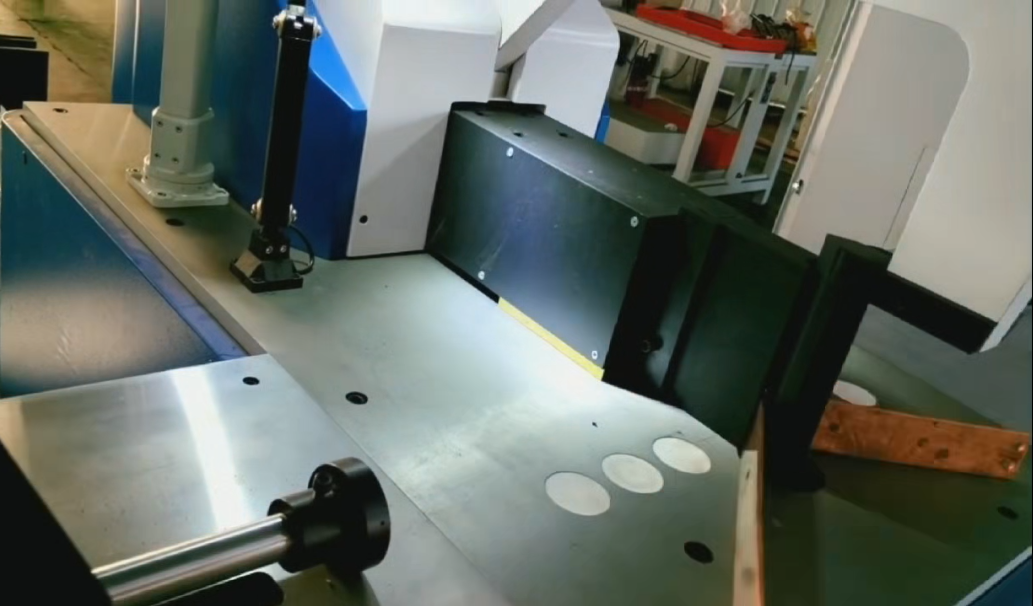
Flexible Bending Capabilities
The hydraulic busbar bender supports a bending angle range of 0° to 135°, enabling the flexible processing of busbars in various shapes. Through simple manual adjustments, it can accommodate busbars of diverse dimensions, thereby meeting both standard and custom production requirements. Operators can rapidly switch between different bending tasks, thereby enhancing the workflow efficiency and adaptability of your production workshop’s daily operations.
They are suitable for enterprises that prioritize equipment stability and cost control—such as traditional electrical equipment manufacturers and medium-sized machining workshops.
They feature a simple structure and a more competitive price point, making them ideal for users who do not require a high level of automation but need reliable processing capabilities.