
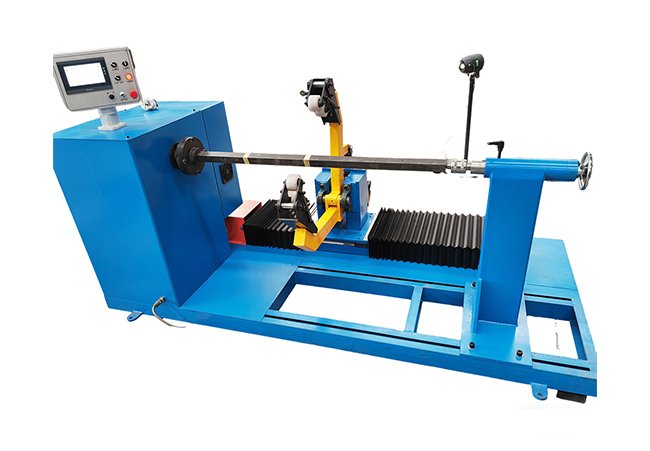
Automatic Transformer Winding Machine
Fenghua supplies automatic transformer winding machines for copper and aluminum wire or strip coils used in power, distribution and dry-type transformer production.
- Automated winding operations
- Copper and aluminum conductor processing
- Automatic or assisted conductor guiding
- Configurable tension management
- Configuration for different coil production requirements
- Technical Specifications
- Automation Functions
- Selection Guide
The automation level of a transformer winding machine depends on the conductor, coil structure, production volume, and required operator involvement. The following items should be confirmed for the selected configuration.
| Item | Buyer Confirmation |
| Processing Material | Copper / Aluminum |
| Conductor Type | Round Wire / Rectangular Wire / Strip According to Configuration |
| Coil Application | Power / Distribution / Dry-Type / Other |
| Conductor Size | Confirmed From Conductor Specification |
| Finished Coil Dimensions | ID / OD / Finished Height From Approved Drawing |
| Maximum Winding Load | Confirmed With Coil and Mandrel |
| Spindle System | Motor / Servo According to Configuration |
| Winding Speed Range | Confirmed Under Representative Winding Load |
| Spindle Torque | Confirmed for Proposed Coil and Mandrel |
| Effective Winding Length | Confirmed From Coil and Mandrel Drawing |
| Wire Traversing | Automatic / Assisted According to Approved Configuration |
| Tension Control | Mechanical / Magnetic-Powder / Servo / Closed-Loop Where Configured |
| Turn Counting & Stop | Counting, Reverse Logic, Memory and Target Stop as Configured |
| Program / Recipe Storage | Confirm Stored Parameters, Capacity, Backup and Recall |
| Insulation & Coil Handling | Automatic / Assisted / Manual Steps Defined Separately |
| Mandrel & Fixture | Confirmed From Coil and Interface Drawing |
| Control System | Controller Brand, Model and Approved Functions |
| Power Supply | Confirmed for Destination Factory |
| Automation Boundary | Automatic, Assisted and Manual Functions Listed in Approved Configuration |
The final automation scope should be specified in the technical quotation, including which operations are automatic, assisted or manually completed.
An automated winding machine is designed around the complete coil production process rather than the winding spindle alone. Depending on the selected configuration, automation can be applied to several production tasks:
| Function | What to Confirm |
| Spindle Control | Speed range, winding direction, acceleration and stopping |
| Turn Counting | Forward/reverse logic, memory, target stop and displayed value |
| Wire Traversing | Controlled axis, traverse range, pitch and synchronization |
| Tension Control | Control method, adjustment range, feedback and conductor compatibility |
| Program / Recipe Management | Stored parameters, recipe capacity, backup and recall method |
| Insulation & Coil Handling | Which loading, insulation, lead handling and unloading steps remain manual |
The actual functions depend on the machine model and approved automation configuration.
Different transformer manufacturers have different requirements for coil dimensions, conductor size, production volume and automation. The following guide can be used to identify the main configuration direction before requesting a quotation.
| Requirement | Starting Configuration | Main Buyer Check |
| Repeated Wire-Wound Coils | Automatic Wire-Traversing Configuration | Traverse range, pitch, synchronization and program functions |
| Multi-Layer HV Coils | Automatic HV Winding Configuration | Tension, insulation, layer arrangement and guiding |
| LV Wire or Strip Coils | Automatic LV Winding Configuration | Winding load, torque, conductor guide and mandrel |
| Special Coils or Line Integration | Customized Automatic System | Function list, interfaces, operator tasks and FAT scope |
The machine name alone does not define the automation level. Final selection should be based on the approved conductor, coil drawing, mandrel, winding process, required output and automatic/manual function list.
Defined Automation Scope
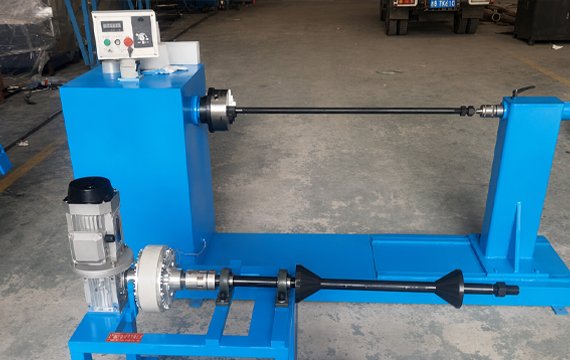
Automatic winding should be evaluated by the production steps actually controlled rather than the machine label alone. Spindle rotation, turn counting, wire traversing, tension and stopping may be automated, while loading, threading, insulation placement, lead handling, coil removal and inspection may still require operator involvement.
Wire Traversing and Tension Control
Wire traversing and tension should be configured according to conductor material, cross-section, insulation and coil structure. Confirm the traverse axis, pitch range and synchronization together with the selected tension method. Mechanical, magnetic-powder, servo or closed-loop tension should only be specified when included in the approved configuration.
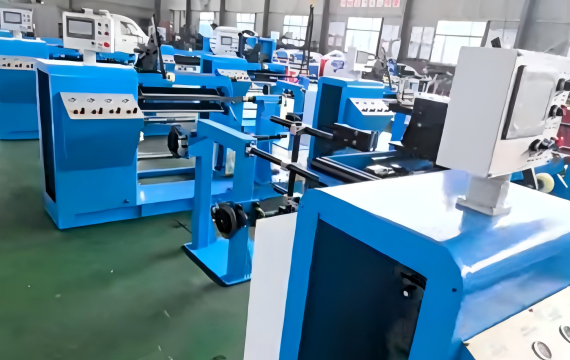
Changeover for Multiple Coil Specifications
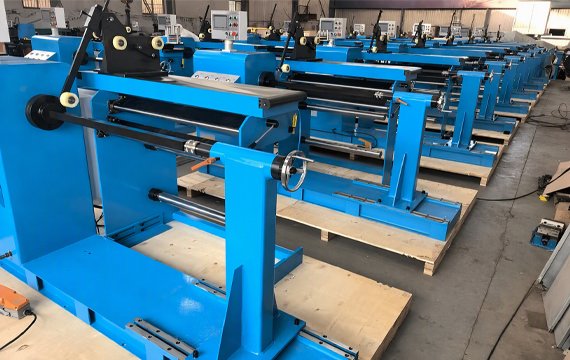
For factories producing multiple coil designs, compare the complete changeover process rather than recipe storage alone. Confirm which mandrels, conductor guides and physical settings require adjustment, which parameters can be recalled, and which first-coil checks remain necessary before repeated production begins.
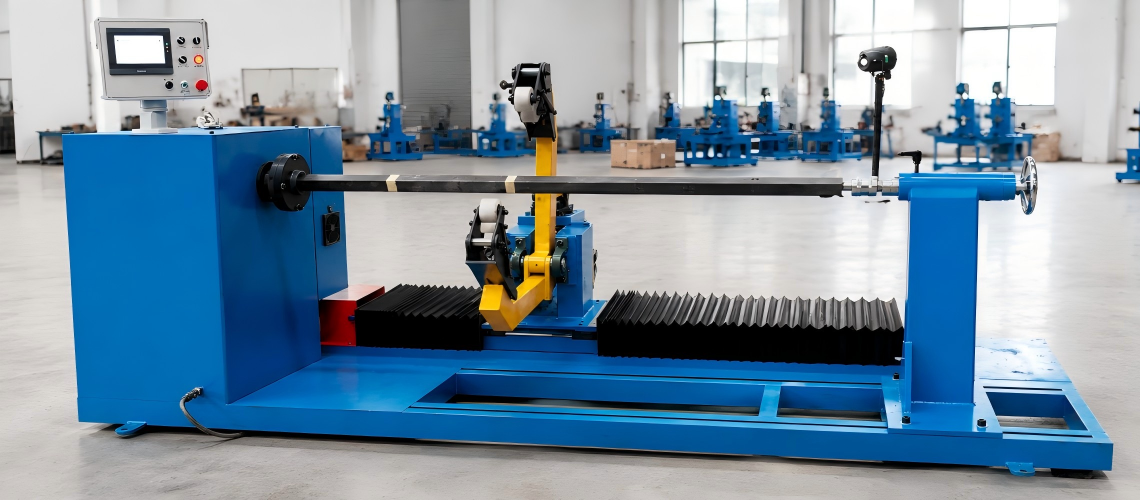
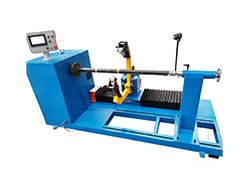
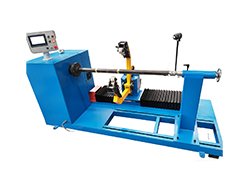
A CNC winding machine describes how selected machine functions are programmed and controlled. An automatic winding machine describes how much of the production workflow is completed automatically or with reduced operator intervention. Confirm both the control functions and manual-operation boundary.
Not necessarily. Conductor loading, threading, insulation placement, lead handling, mandrel setup, coil removal and inspection may remain manual depending on the approved configuration.
Compatibility depends on conductor type, coil dimensions, winding load, torque, mandrel, tension method and guiding system. HV and LV coil drawings should be reviewed separately before one common machine is approved.
No. Finished layer arrangement also depends on traverse pitch, conductor size, tension, guide design, mandrel alignment, insulation and first-layer setup. Representative coils should be inspected during FAT.
Verify spindle operation, turn counting, wire traversing, tension, stopping, coil dimensions, layer arrangement, lead positions, repeated samples and every automatic, assisted and manual production step.