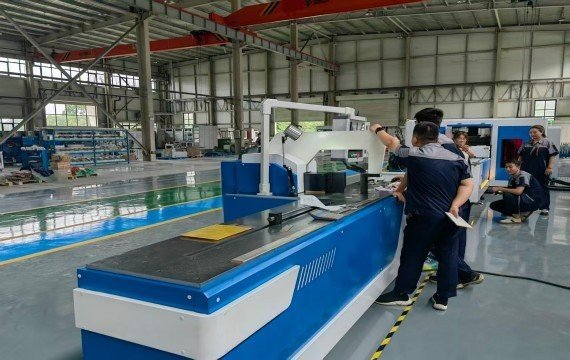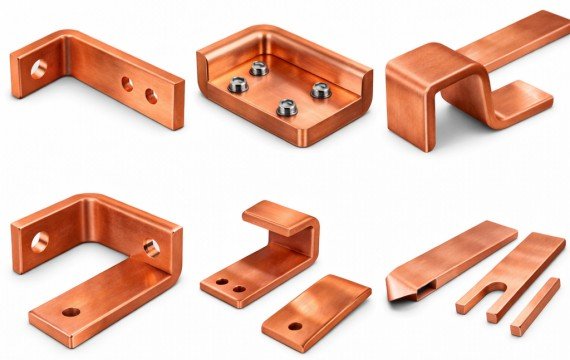
Transformer winding machines: you are interested in more than just the equipment itself; you want to understand how transformer winding machines are made and how they affect the winding precision of your products and transformer winding machine manufacturers’ capabilities. I will now outline for you.
Why Industrial Buyers Search: How Transformer Winding Machines Are Made
As a purchaser, you’re not learning how to manufacture the equipment; you want to evaluate your transformer winding machine manufacturers’ capacity for stable delivery, the consistency of their product quality, and their ability to provide long-term service.
If You Are an Equipment Importer
As an importer of equipment, you need to ensure product quality; your supplier’s actual production reliably delivers your products, and confirm that they are a genuine manufacturer.
If You Operate a Transformer Manufacturing Plant
For the transformer manufacturing plant you operate, quality is critical during the production process. I recommend monitoring the equipment’s winding performance, the dimensional accuracy of the finished products, and the equipment’s ability to support stable, continuous production.
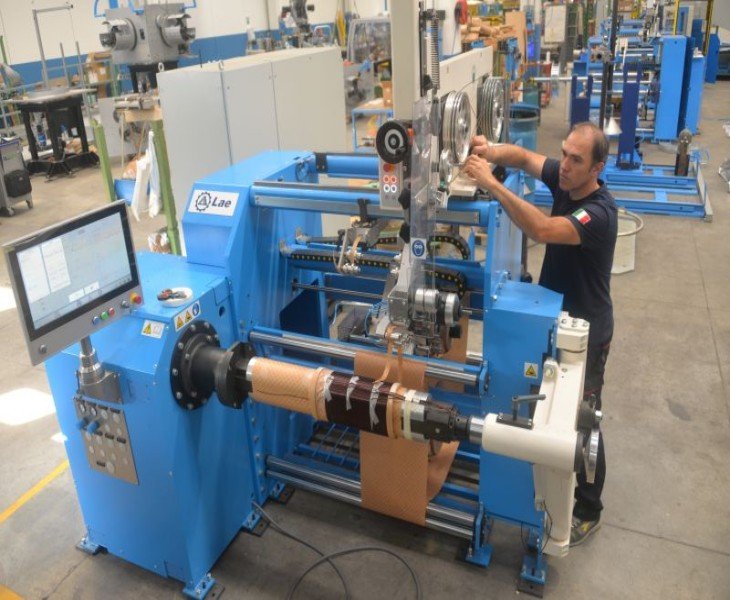
If You Integrate Industrial Production Lines
As an industrial production line integrator, you need to ensure customer retention; your equipment must support your automated production requirements and capacity needs, and your production line.
What Defines Transformer Winding Machine Quality in Real Production
The quality of an automatic transformer winding machine is a primary consideration. Many factors determine the equipment’s actual operational performance, which its various on the systems themselves.
Machine Frame Structure
The frame for your equipment. It ensures long-term precision, maintains the stability of your machinery, and supports your daily production operations.
Spindle and Wire Tension Control System
The spindle and tension control system are among the factors that determine the equipment’s actual operational performance. Winding quality and coil to the equipment’s operation; winding and coils, a stable spindle and wire tension control system have a direct impact.
CNC and Servo Control System
Consistency during equipment operation throughout your entire production chain. Since many factors influence production, precision motion control.
How Transformer Winding Machines Are Manufactured
The transformer winding machine manufacturing process comprises multiple stages and is crucial to your actual production operations; The quality of this process determines whether your equipment works during use. I will show you below.
Machine Frame
Affecting the structural precision of your equipment, the coordinated operation of steel processing, welding, and stress-relief treatment is the deciding factor.
Spindle and Transformer Winding Tension System Integration
The manufacturing process for transformer winding machines spindle with the winding tension system—components that are critical to your production operations. Precision assembly, spindle rotation, stable wire feeding, and consistent winding quality in your products.
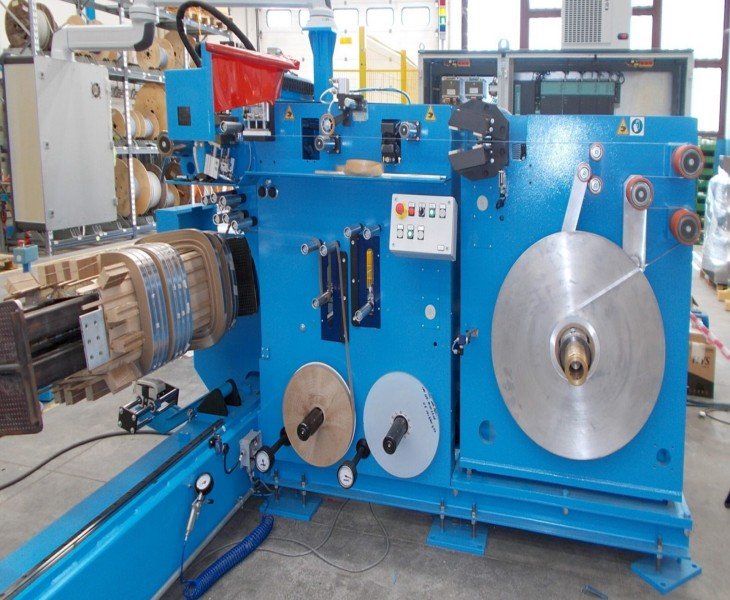
CNC Control System Setup
The manufacturing process for transformer winding machines also includes the configuration of the CNC control system; continuous production requires parameters for different products, so it is recommended to configure servo and motion control parameters as well as winding programs.
Why Two Transformer Winding Machines Produce Different Results
There are two reasons why two coil winding machines yield different results: minute errors are both contributing factors. Even with similar parameters, different pieces of equipment may show differences during long-term production at your factory.
Manufacturing Precision Determines Stability
The manufacturing precision of your equipment determines the stability of your products. We recommend specifying higher machining standards to ensure your equipment possesses stable winding capabilities during the winding process.
Small Deviations Become Large Problems Over Time
During the precision finishing of your products, even minute errors in equipment parameters, Tiny structural imperfections in the machinery, generate operational errors that gradually occur during prolonged use, dimensions.
How Manufacturing Quality Impacts Winding Results
There are many factors affecting winding quality. In your factory’s production operations, many issues do not arise suddenly; the long-term accumulation of systematic errors impacts the winding results. The factors below.
Frame Deviation and Coil Consistency
It is between the machine frame and the coil; structural errors in your equipment affect spindle alignment and inter-layer positioning, resulting in inconsistent winding outcomes.
Wire Tension Stability and Product Reliability
Tension, stability, and product reliability significantly impact winding results. An unstable wire tension control system can lead to wire deformation and increased insulation stress within the equipment, thereby compromising and adversely affecting final manufacturing quality and winding outcomes.
Machine Testing Before Delivery
Your equipment undergoes testing prior to leaving the factory to ensure product quality and performance. Professional transformer winding machine testing helps verify that the equipment is functioning correctly before shipment.
Accuracy and Dimensional Inspection
Your equipment dimensional inspection; continuous production of your products can only proceed once the equipment’s dimensions must be compliant materials needed for your production.
Continuous Winding Performance Test
Equipment must still undergo winding performance during the production process; only upon passing this compliance test will the equipment be delivered to you, thereby enabling subsequent continuous production operations.
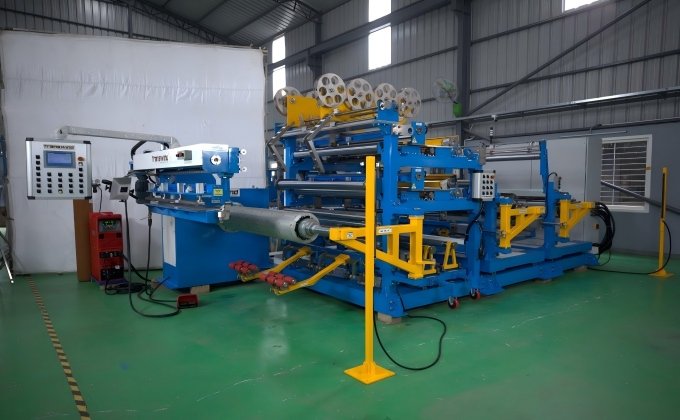
CNC Program Verification
Once your equipment has undergone CNC program verification, it is ready for delivery to you for product manufacturing and processing; effectively, your equipment.
Low-Quality Transformer Winding Machines Issues
Low-quality winding machines industrial problem merely a failure of a single component, but a systemic defect, production-related issues below.
Layer Misalignment During Production
During batch production, various forms of equipment wear or damage can cause interlayer misalignment on the production line; this is an issue that requires close monitoring.
Coil Dimension Variation Between Batches
In your high-volume, continuous production environment, dimensional variations between product batches can lead to the output of low-quality products.
Long-Term Accuracy Drift
During prolonged operation, your equipment inevitably undergoes wear and tear; in high-volume, continuous production, this long-term usage affects product precision, thereby affecting the final quality of your products.
Manual vs CNC Transformer Winding Machine
There are many differences between manual and CNC transformer winding machines in a workshop production environment; however, the true distinction lies in managing production batch sizes, rather than the winding speed of the equipment itself.
Manual Systems for Flexible Production
For flexible manual equipment, it is easy to operate and to meet your workshop’s needs.
CNC Transformer Winding Machines for Batch Consistency
When conducting mass production that requires a CNC winding machine, it offers high speed and production efficiency and can be precisely tailored to your workshop’s needs.
Why Manufacturers Upgrade to CNC Winding Machines
Manufacturers have many reasons for upgrading to CNC winding machines, primarily to achieve automated production and ensure manufacturing product export standards. The reasons below.
Reducing Labor Dependency
Manual production entails high costs and long lead times, making it ill-suited to manufacturers’ large-scale production needs. Upgrading to a CNC winding machine reduces labor.
Improving Batch Repeatability
Manufacturers require high-volume, repetitive production; upgrading the CNC winding machine to meet actual production needs.
Meeting Export Quality Requirements
Manufacturers are not limited to the domestic market; to accommodate export requirements, they need to upgrade their CNC winding machine to meet export quality standards.
FAQ
How does ambient winding accuracy change during long production cycles?
During prolonged production operations, fluctuations in ambient temperature in equipment components—such as lead screws, guide rails, and sensors—can affect the stability of winding these minute deviations accumulate, they ultimately result in dimensional inaccuracies in the coils produced by your equipment.
What production indicators indicate machine instability before defects appear?
While your equipment is operating, you can monitor tension fluctuations, repeatability of positioning, and coil dimensional consistency, as well as use parameters. Anomalies in these indicators signal problems with the equipment’s stability.
How can you verify a transformer winding machine manufacturer without visiting the factory?
If you are unable to visit the site in person for any reason, you can request that the manufacturer provide videos of remote machine inspections and live demonstrations of the winding process; this manufacturer’s technical capabilities.
Why can identical winding programs generate different coil dimensions on different machines?
There are many reasons for variations in equipment product dimensions; differences exist in mechanical precision, tension control capabilities, and operating machines. These factors affect the wire on your equipment, resulting in dimensional differences.
What technical documents should accompany a transformer winding machine before export shipment?
Before the equipment is exported, the following documents must be provided: operation manuals, maintenance manuals, electrical schematics, parameter setting sheets, PLC backup files, FAT reports, factory inspection reports, packing lists, and spare parts lists. These documents will assist you with installation, production, maintenance, and ongoing technical support.
Final thoughts
The quality of your equipment determines its long-term winding performance. It is recommended that you focus on build quality and supplier factors that impact equipment operation and production.