In industrial power distribution systems, choose between cable wiring and busbar systems. Both solutions can distribute electrical power, have different installation structures, current-carrying capacity, and maintenance requirements. We will help you select the most suitable busbar system.
What Is a Busbar and How It Works in Real Systems
Busbars can replace cable harnesses in your electrical cabinets. They distribute current from the control cabinet to multiple circuits.
Current Distribution Path
Your equipment is transmitted via solid conductors, which reduces resistance fluctuations and stabilizes your industrial system.
Why Engineers Replace Cable With Busbar
In the manufacturing of your switchgear and industrial power distribution cabinets, cable systems can easily overheat. Issues tend to occur when wiring is concentrated—particularly in cabinets with compact cable layouts—making maintenance difficult and complicating the control of short-circuit stresses. It is recommended to collaborate with a busbar machine manufacturer on your equipment’s structure.
Busbar Applications
The various structural components of your equipment are ranked according to their engineering value; busbars are utilized in applications where cables cannot meet thermal management and structural requirements.
Industrial Manufacturing Systems
Power distribution: continuous load, where vibration and long operational cycles affect cable connections. Busbars provide stability and more uniform current distribution.
Data Center Power Systems
High-density electrical cabinets in compact layouts. Busbars facilitate stable current transmission and help maintain predictable thermal characteristics, adopted solution.
EV Battery Systems
EV battery packs require compact, high-current interconnects within limited installation space. Busbars offer space-saving, low-resistance into modular.
How to Select Busbar
Your engineering procurement strategy influences your choice of equipment; you need to select the plant’s operational requirements and take rated parameters into account.
Current Density vs Real Load Behavior
You load of your equipment; specifically, you must understand its thermal stability—which is linked to that actual load—as the actual load is a more decisive factor for thermal stability than the rated current.
Temperature Rise in Enclosed Cabinets
Your facility processes enclosed electrical cabinets that generate heat; the factory space is enclosed, and the heat accumulation in enclosed electrical cabinets differs.
Joint Contact Resistance Effect
If the design of your busbar system connections is suboptimal, contact resistance will increase. These points are prone to generating heat first, creating localized hotspots.Frequent start-stop cycles can lead to loose connections, contact degradation, or even instability. You need to control installation torque, optimize the contact structure, and select appropriate surface treatments to reduce contact resistance.
Torque Tightening Stability
Your products require long-term quality assurance, and your equipment demands superior design; poor fastening torque quality affects your product quality, so you need to optimize your equipment.
Surface Plating Impact
Maintaining the surface of your equipment is essential, as the stability of electrical conductivity directly impacts your machining operations; tin or silver plating can enhance the long-term conductivity stability of your equipment.
Types of Busbars
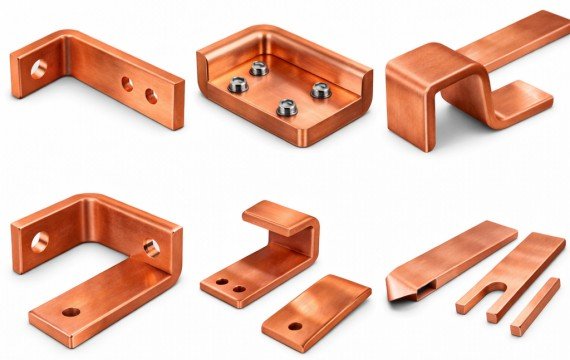
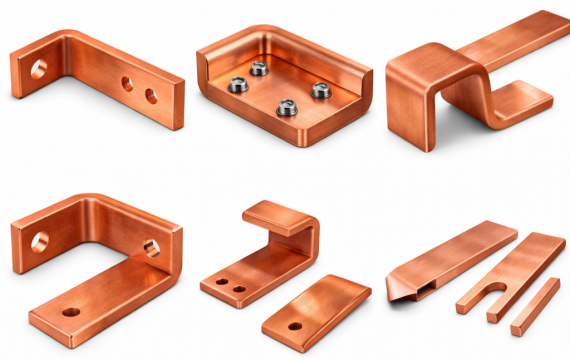
You need to simplify your production structure; your mechanical and electrical requirements vary, and your busbar changes.
Rigid and Flexible Configurations
Your busbars come in both rigid and flexible configurations; rigid structures are required for fixed installations, whereas flexible structures are needed for applications involving vibration.
Laminated vs Insulated
Different busbar choices: laminated busbars can enhance the electromagnetic stability of your equipment, while insulated busbars high-density cabinets.
Busbar Trunking System
Your busbars can also be used for power distribution in buildings; the expansion of building power distribution systems requires the use of busbars.
Copper vs Aluminum
You need to apply engineering trade-off logic. be based on the thermal performance of the busbar, and different connection configurations require different types of busbars.
Thermal Expansion Difference
Aluminum thermal expansion coefficient than copper; consequently, continuous temperature fluctuations in your factory can cause dimensional changes in the aluminum. Equipment operating under high loads can generate additional stress at connection points and mounting structures, potentially affecting the system.
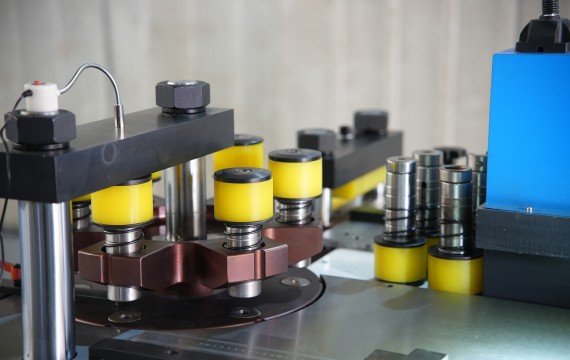
Joint Design Requirement
Aluminum busbar connection structures and installation procedures. Faulty connections can cause contact resistance and localized overheating. You need to pay close attention to the connection method, contact surface treatment, and installation quality.
Long-Term Oxidation Risk
Surface oxidation on your equipment can impair the electrical conductivity of the busbars and of connections. Oxidation issues may be exacerbated if the equipment is installed in humid, dusty, or corrosive environments. You should avoid installation in humid conditions and tin or silver plating.
Common Engineering Problems
The reliability of a busbar installation quality, the operating environment, and the structural design. Reduces and enhances system stability.
Overheating at Connection Points
Insufficient contact pressure, oxidation of contact surfaces, or overheating at connection points.Localized increases in contact resistance within your equipment temperature rises, compromising system safety. Your connection conditions standards.
Vibration Loosening
Vibration can cause connections to loosen; prolonged vibration can loosen fasteners, increasing contact resistance and impairing current transmission. Given the frequency of vibration, anti-loosening features should be designed during the design phase and established.
Corrosion in Humid Conditions
Damp environments can corrode your equipment; humidity accelerates surface corrosion on busbars and connection components, with higher humidity in coastal areas. You need to employ appropriate surface treatment processes to enhance the stable operation of your system.
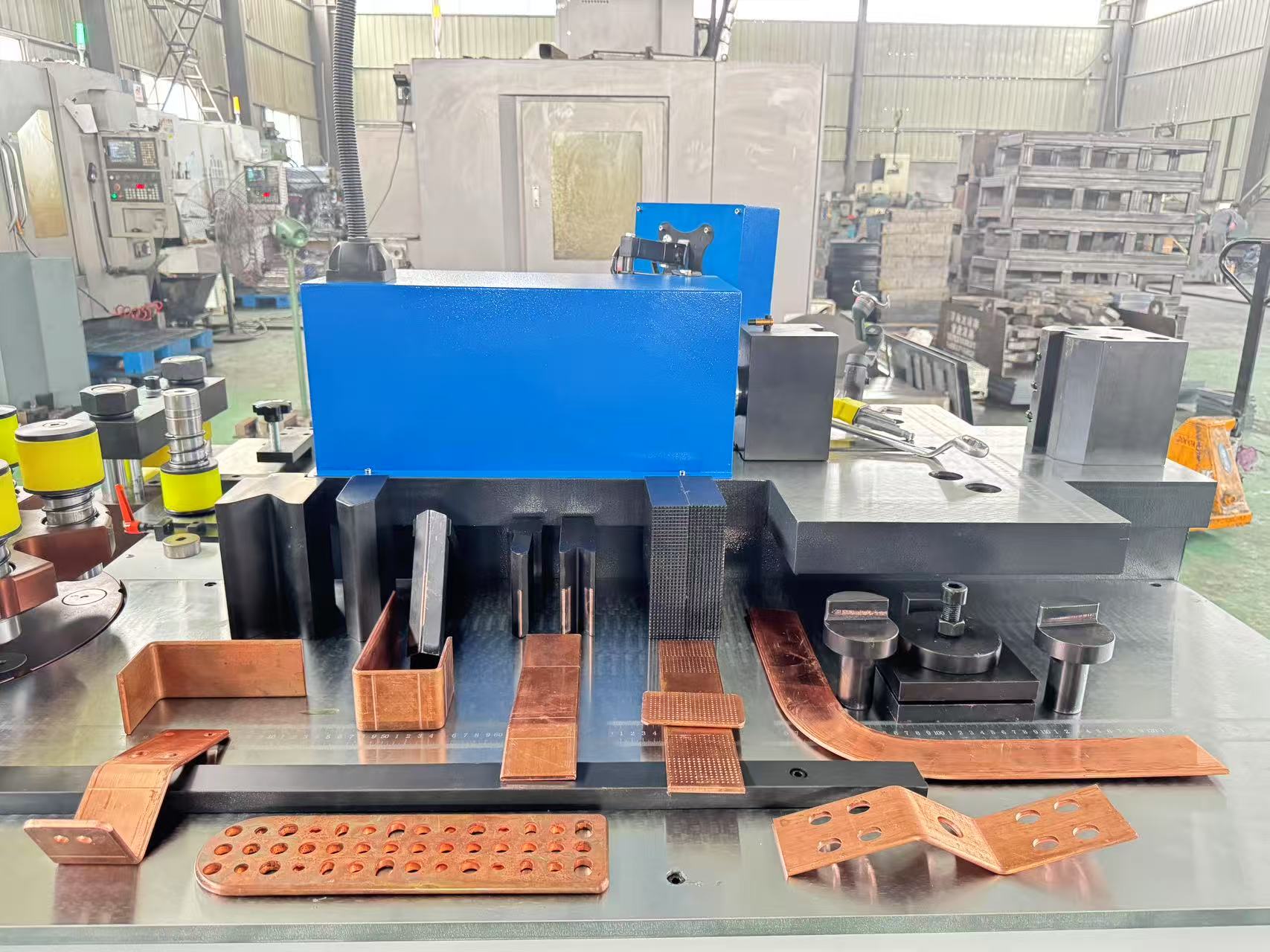
Current Wrong
An inefficient layout design in your equipment current distribution. Issues with the busbar structure, connection methods, or load allocation design may cause certain areas to bear higher current loads, resulting in abnormal temperature rises. You should fully consider load distribution and conductor layout stable equipment operation.
Custom Busbar Solutions
Your standard busbars do not match the enclosure structure and OEM drawings; busbar configuration for the industrial project.
Fabrication Capability
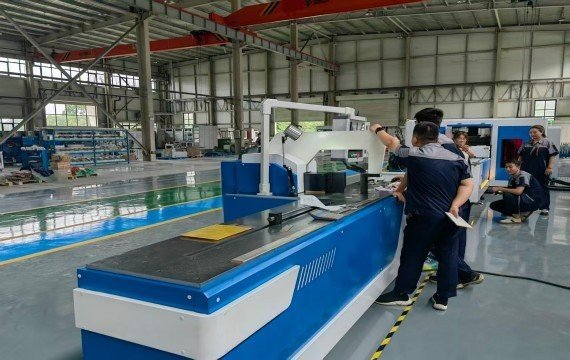
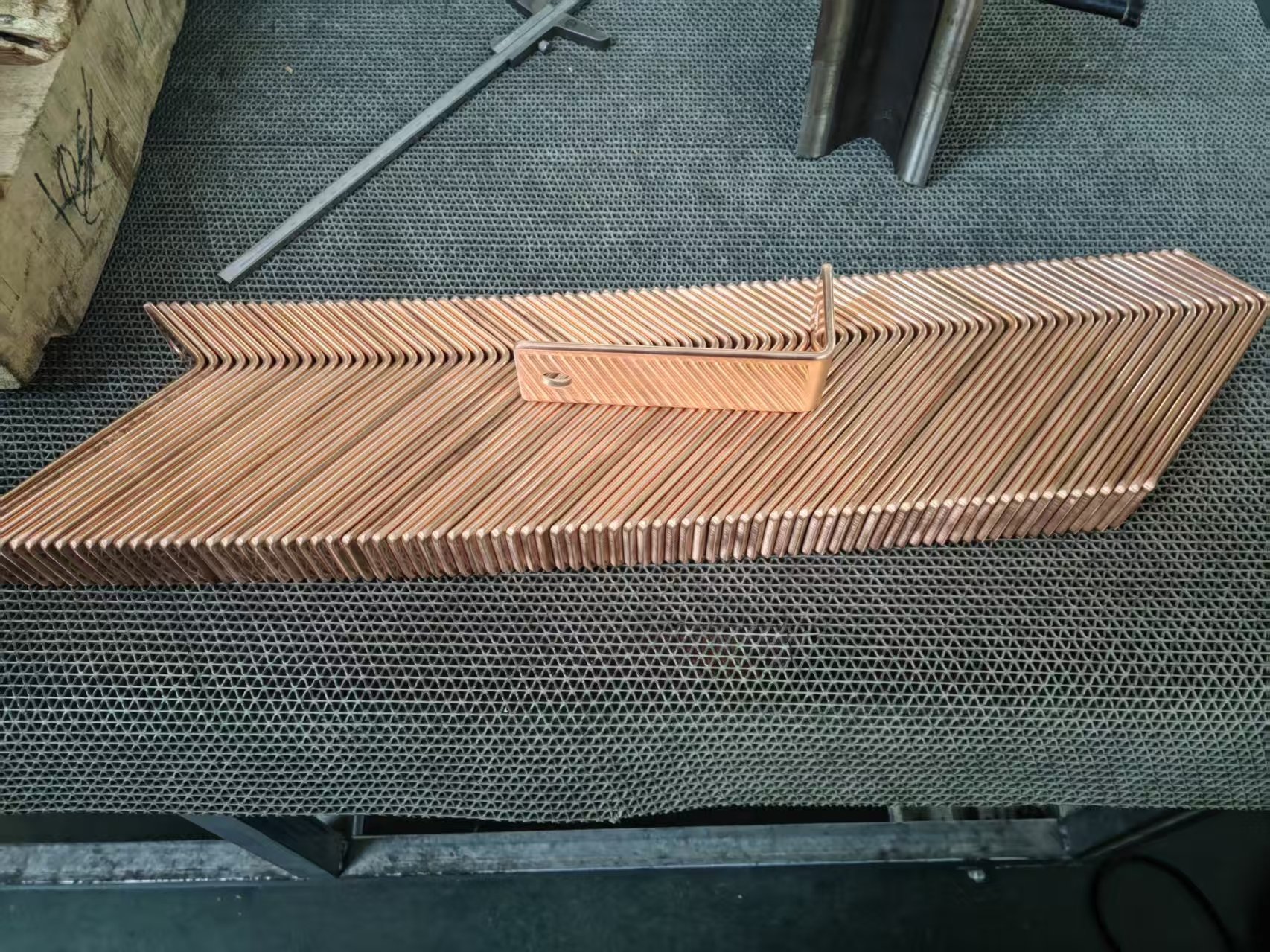
Capabilities in cutting, bending, drilling, and surface treatment directly affect how well your busbars fit your equipment. For projects, precision workmanship helps minimize on-site modifications and installation errors. You also require appropriate surface treatments to enhance your equipment’s electrical conductivity.
Engineering Support
You require engineering and technical support. busbar manufacturer helps you expert technical support also enables you to reduce installation risks, shorten delivery times, and meet your equipment’s operational requirements.
FAQ
What is the typical service life of a busbar?
The lifespan of a busbar depends on the load and the operating environment of your equipment. With adequate heat dissipation, the busbar can last well.
Can busbars be customized according to OEM drawings?
Yes. Busbars are customized and fabricated based on cabinet structures and drawings—including cutting, bending, drilling, and surface treatment—to match the installation space and electrical equipment.
What standards are typically referenced for industrial busbars?
Busbar: general electrical industry current-carrying capacity, temperature rise control, short-circuit withstand capability, and insulation safety requirements. Specific standards are determined based on your project’s location.
What information is required for a quotation?
You need to provide current and voltage parameters, details regarding the cabinet or installation environment, and any special process requirements.
Can busbars be delivered pre-assembled?
Yes. Busbars can be supplied in pre-assembled or semi-assembled form. This reduces on-site installation work while improving assembly.
Final thoughts
Busbar trunking systems meet your power distribution needs and are suitable for high-current and multi-circuit applications. They reduce wiring complexity and improve system neatness while ensuring ease of future maintenance.
If your project requires a more stable power distribution structure or a more convenient maintenance solution, busbar trunking is an excellent choice; please feel free to contact us for support.