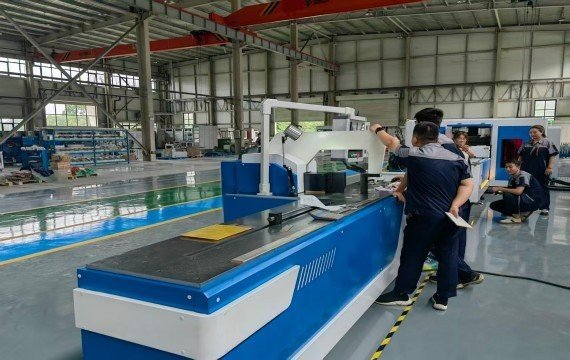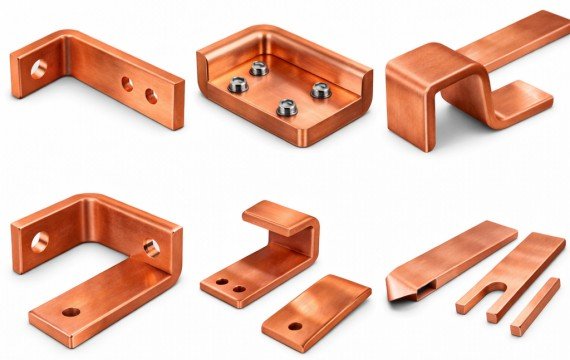
In the production of power distribution systems, copper and aluminum busbars serve as conductive connecting components. A 3-in-1 busbar processing machine integrates cutting, punching, and bending operations into a single machine.It helps factories reduce manual adjustment and improve processing rework three processes will help you choose the right busbar machine for your production needs.
Quick Answer
The 3-in-1 busbar processing machine is for industrial copper and aluminum busbars. It integrates cutting, punching and bending functions into one machine, allowing operators to complete the main busbar fabrication steps in one workflow.
Can use hydraulic, semi-automatic, or CNC control to improve processing adjustment, minimize processing errors, and shorten delivery time.
Why Cutting, Punching and Bending Are the Three Core Busbar Processes
Cutting, punching, and bending the fabrication of copper and aluminum busbars; installation quality, connection safety, and production efficiency. Errors result in busbars that do not fit the electrical cabinet adjustment time.
Using a professional busbar processing machine—capable of cutting, punching, and bending—helps enhance machining precision and minimize manual measurements of busbar dimensions, hole positioning, and bending angles.
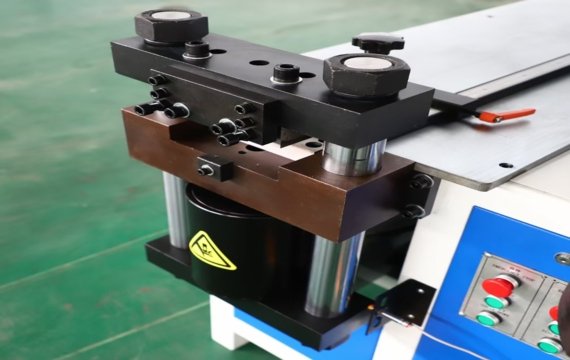
Why Manual Processing Causes Production Problems
Cutting, punching, and bending operations of electrical cabinets. Dimensional copper busbars from circuit breakers, terminals, insulating supports, or connecting components, thereby increasing the time required for on-site adjustments.
Busbar cutting determines the length of the copper bars, and dimensional deviations can complicate installation. Inaccurate hole positioning affects component mounting and electrical connections. Precise bending angles the busbars and internal cabinet components. Selecting a suitable 3-in-1 busbar machine or CNC busbar machine helps improve machining accuracy and reduce.
Busbar Cutting
Busbar cutting determines the finished length, installation precision, and the quality of subsequent punching and bending operations. Issues such as burrs, deformation, uneven cut surfaces, and dimensional deviations can increase assembly adjustments and production inefficiencies.
A professional busbar cutting machine helps improve processing precision and measurement. Selecting the right cutting equipment for copper bar thickness, width, and daily production volume.
Common cutting problems include burrs, surface deformation, uneven cut edges, and dimensional deviation.
Common Busbar Cutting Methods
Various cutting methods are available for processing copper busbars. Hydraulic shearing provides a stable cutting force and high processing speeds, while sawing is materials.
Different cutting methods impact cut quality, processing speed, and production costs. Poor equipment selection, low processing efficiency, and increased material waste. Selecting the right cutting method helps improve.
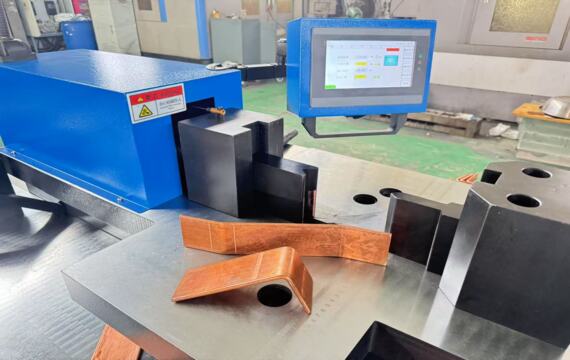
What Determines Busbar Cutting Quality
Cutting quality depends on material positioning, tool condition, and material thickness. The condition of the cutting tool and the material thickness result.
Worn tools tend to produce more burrs, increasing the time required for post-processing. Selecting the right busbar processing equipment—and ensuring proper clamping parameter adjustment—can help minimize processing errors.
How Busbar Cutting Machines Improve Production
Automatic cutting measurement during copper busbar processing, thereby boosting production efficiency. Precise cutting dimensions minimize and reduce the amount of deburring and secondary finishing required.
A professional busbar cutting punching and bending machine helps you control processing dimensions and shorten production cycles.
Busbar Punching
Busbar punching creates mounting holes for electrical connections. The precision of these holes directly impacts the assembly of electrical cabinets; inadequate punching causes burrs, positional errors, and hole deformation, thereby increasing the time required for on-site adjustments.
A professional busbar punching machine helps improve machining and reduces the need for corrective work during installation.
Common Busbar Hole Types
Different electrical equipment requires different types of mounting holes. Round holes are used for standard bolted connections, while elongated holes are used for installation adjustments; some switchgear projects require specially shaped holes.
Selecting the right busbar punching equipment requires verifying hole diameters, hole spacing, and engineering drawing specifications. Equipment compatible with a wide range of punching dies helps minimize production constraints.
What Determines Punching Accuracy
Punching precision depends on the positioning method, die quality, and hydraulic pressure. Manual marking is prone to hole-spacing errors, which can prevent the accurate installation of circuit breakers, terminals, and busbars.
Stable hydraulic pressure minimizes hole deformation and improve the surface quality of the punched holes. Factors such as die clearance, material thickness, positioning stops, and CNC coordinate control influence the machining process.
How Busbar Punching Machines Improve Production
The automatic positioning function, along with a variety of punching dies, allows you to handle holes of different specifications. Precise punching minimizes and boosts production efficiency.
Busbar processing equipment, punching, and bending functions reduce material handling, helping factories lower order processing costs.
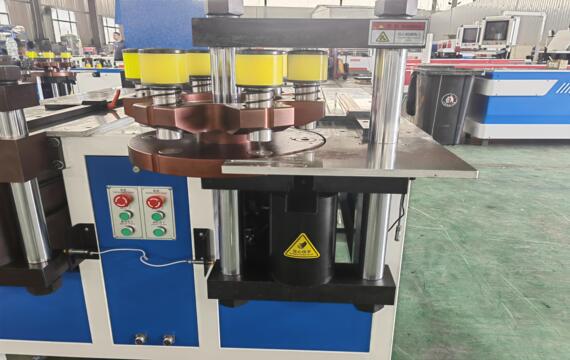
Busbar Bending
Busbar bending determines the installation shape of the finished copper or aluminum busbars. Precise bending angles facilitate the correct installation of electrical components and minimize interference with assembly efficiency.Professional busbar bending machines improve the accuracy of adjustments.
Common Busbar Bending Types
Different electrical products require different bending configurations. Flat bends, edge bends, U-bends, and Z-bends; some electrical cabinets utilize specialized bending methods for spatial layout.
Selecting a busbar bending machine that supports multiple bending methods enables you to address equipment-related constraints.
Why Bending Accuracy Matters
Even minor bending affects the proper installation of circuit breakers, terminals, or insulating supports, thereby increasing the need for on-site adjustments—repeated manual corrections.
Accurate bending improves installation accuracy and electrical connection reliability; high-quality bending processes also.
Features of CNC Busbar Bending Machines
CNC busbar bending machines can store bending parameters for various copper busbar specifications and switch between production tasks. CNC-controlled bending improves bending angle consistency during repeated production.
CNC bending equipment helps boost processing efficiency and labor. Hydraulic bending equipment small-batch production, while CNC bending solutions are ideal for orders involving repeat specifications.
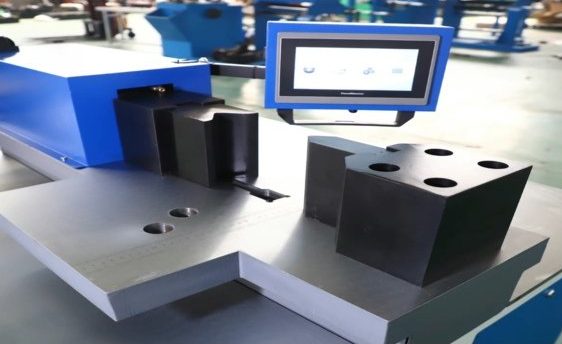
3-in-1 Busbar Processing Machine
A 3-in-1 busbar processing machine integrates cutting, punching, and bending operations in one machine; it minimizes material handling and saves workshop floor space.This machine busbar processing and medium-sized factories with limited space.
Three Integrated Working Stations
A standard 3-in-1 busbar processing machine features dedicated stations for cutting, punching, and bending. Operators can move the busbar between the three stations efficiently, thereby handling copper busbars.This equipment design saves on floor production management.
Hydraulic System and Control System
The hydraulic system influences machining quality and dimensional accuracy. Stable hydraulic pressure improves the machining and installation precision of finished components.
Advanced CNC busbar processing machines feature parameter storage to save settings for various busbar specifications and adjustments.
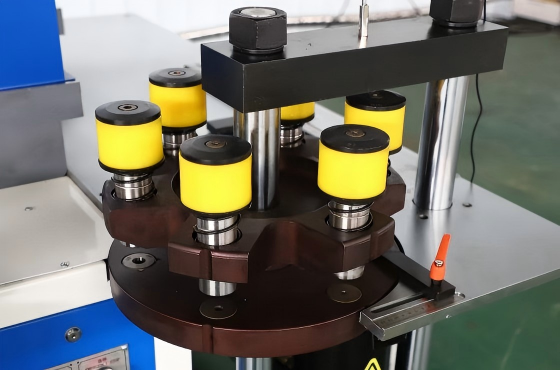
Tooling Configuration
The tooling configuration determines the processing capabilities of the busbar processing machine. You will need to provide specifications—such as punching dimensions, hole shapes, slot sizes, and bending types—for a suitable tooling setup.
Different punching dies enable the processing of mounting sizes; different bending dies accommodate diverse forming tooling, expanding the machine’s application range and product upgrades.
When Should You Choose a 3-in-1 Busbar processing machine?
A 3-in-1 busbar processing machine is suitable for electrical cabinet manufacturers, panel builders and small to medium switchgear manufacturers that need cutting, punching and bending capability in a compact workshop layout. It is especially useful when the factory processes multiple busbar sizes but does not require a fully automatic production line.
For very high-volume production busbar drawings, separate machines or an automatic busbar processing line may be more suitable.
How to Choose the Right Busbar Cutting Punching Bending Machine
Choosing the right busbar cutting, punching, and bending machine depends on your production volume, busbar specifications, workshop layout, and automation requirements. Different factories require different machine configurations. The following table suitable solution.
| Production Need | Recommended Machine | Why |
| Repair work | Hydraulic Busbar Machine | Lower investment and flexible operation |
| Electrical panel production | 3-in-1 Busbar Machine | Cutting, punching and bending in one compact machine |
| Switchgear batch production | CNC Busbar Processing Machine | Better hole position and bending repeatability |
| High-volume OEM production | Automatic Busbar Processing Line | Faster output and lower manual handling |
| Complex busbar drawings | Separate cutting, punching and bending machines | Higher flexibility for dedicated processes |
Not sure which machine is suitable for your production? Send your busbar drawings, material, thickness, width, hole layout, bending requirements, daily production volume, factory voltage and destination country. Fenghua will recommend a suitable 3-in-1 busbar processing machine configuration for your factory.
What Overseas Buyers Should Confirm Before Ordering
For overseas buyers, machine selection is not only about cutting, punching, and bending capacity. You should also confirm factory voltage, technical documentation, spare parts, tooling support, packing method, inspection videos, and after-sales service. A professional busbar machine manufacturer should recommend suitable drawings, material size, and production volume.
Key Parameters to Confirm Before Buying a Busbar Machine
Providing complete production information helps manufacturers recommend the most suitable busbar machine and prepare an accurate quotation.Confirming these key parameters reduces communication time, improves equipment matching, and speeds up project evaluation.
| Parameter | Main Reason |
| Busbar material | Copper and aluminum require different tooling. |
| Busbar thickness | Determines cutting, punching and bending capacity. |
| Busbar width | Affects working space, positioning accuracy and die size. |
| Hole size and hole type | Determines punching die configuration and machining capability. |
| Bending angle | Affects bending accuracy, tooling selection and forming quality. |
| Production volume | Determines whether hydraulic, CNC or automatic equipment is the best choice. |
| Factory voltage | Helps match the correct electrical configuration for export markets. |
| Drawing complexity | Determines CNC control requirements, tooling configuration and machining workflow. |
Busbar Processing
A systematic quality inspection helps reduce assembly production instability during batch manufacturing.
| Inspection Item | What to Check |
| Cutting length | Whether the finished the engineering drawing. |
| Cutting edge | For burrs, deformation and overall surface quality. |
| Hole position | Verify positioning accuracy. |
| Hole quality | Inspect burrs, deformation and clean hole edges. |
| Bending angle | Check angle consistency, forming accuracy and springback. |
| Assembly fit | Ensure there is no interference with breakers, terminals or insulation supports. |
Maintaining inspection machining quality, reducing production of reliable busbars for electrical cabinet and switchgear applications.
Frequently Asked Questions
Can one machine complete cutting, punching and bending?
Yes. A 3-in-1 busbar processing machine integrates cutting, punching and bending into one machine.It is suitable for electrical cabinet manufacturers that need complete busbar processing in a compact workshop.
What copper thickness can a busbar machine process?
Processing capacity depends on machine model, hydraulic pressure and tooling configuration.Manufacturers usually recommend suitable equipment according to your busbar specifications.
What tooling is required for different busbar projects?
Punching dies and bending tooling. Selecting suitable tooling improves machining quality and production flexibility. Professional busbar machine manufacturers can recommend tooling accordingly.
Is a CNC busbar machine better for bending?
For repeated production, a CNC busbar bending machine offers better angle consistency. Stored machining programs reduce manual adjustment during model CNC machines suitable for switchgear manufacturers and OEM factories.
Final Thoughts
Professional busbar processing equipment enhances machining precision, reduces, and improves copper busbar production efficiency. Configuration enables your factory to achieve consistent busbar processing results while lowering costs. Send your production information to Fenghua, and our engineering team will recommend a suitable busbar machine.