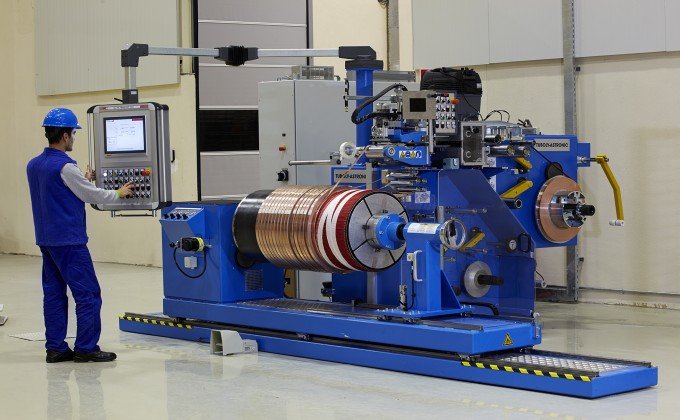
Using a coil winding machine in industrial production involves more than starting the spindle and entering a turn count. Before winding begins, the operator should confirm the approved coil drawing, conductor, insulation, mandrel, winding load, direction, speed, tension method, guiding method, turn counter, safety functions and inspection requirements.
During production, the machine should be controlled through low-speed trial winding, first-piece approval, defined in-process checks, interruption records and finished-coil inspection. This guide explains how transformer manufacturers should set up, operate, monitor and verify a coil winding machine during repeated production.
Table of Contents
ToggleQuick Answer: How Do You Use a Coil Winding Machine?
Confirm the drawing, conductor, insulation and mandrel before starting. Install the mandrel, load and guide the conductor, then set the winding direction, speed, turn count, tension and traverse where included. Run the machine at low speed to verify feeding, alignment, counting and braking. Approve the first coil before batch production, monitor defined process conditions and inspect the finished coil. Stored parameters can support repeatability but do not replace operator checks.
What Should Be Confirmed Before Starting the Winding Machine?
| Pre-Start Item | What the Operator Should Confirm |
|---|---|
| Drawing | Correct number, revision and winding identity |
| Conductor | Material, dimensions, insulation, reel and batch |
| Insulation | Correct material, thickness, width and orientation |
| Mandrel | Drawing, connection, locking, alignment and approved load |
| Tailstock | Position, locking and support condition |
| Payoff | Reel direction, brake, loading and conductor path |
| Guiding | Clean contact surfaces and correct initial position |
| Tension | Actual supplied method and approved setting |
| Turn Counter | Starting value, counting direction and memory status |
| Winding Direction | Forward or reverse from the approved reference |
| Speed | Approved initial operating speed |
| Traverse | Travel, pitch and program where included |
| Braking | Controlled stopping and spindle-holding condition |
| Safety | Guards, emergency stops and work area |
| Inspection | First-piece items, instruments and criteria |
Do not start production when the drawing revision, conductor, mandrel, winding direction, turn count, tension method or acceptance criteria remain unclear.
Which Machine Functions Should the Operator Understand
| Machine Function | What It Supports | What Must Still Be Verified |
|---|---|---|
| Spindle | Rotates the mandrel and coil | Direction, speed, load and vibration |
| Drive System | Provides operating speed and torque | Actual load and approved speed range |
| Brake | Supports controlled stopping | Stopping behavior under the agreed load |
| Turn Counter | Records spindle turns | Starting value, direction, reverse count and memory |
| Mandrel Interface | Connects the winding tool | Fit, locking, alignment and removal |
| Tailstock | Supports the mandrel | Position, lock and allowable load |
| Payoff | Holds and releases the reel | Direction, brake and loading method |
| Tension System | Applies or regulates tension | Actual method, setting and conductor result |
| Guide System | Directs the conductor | Contact surfaces, position and path |
| Traverse | Moves the guide where included | Controlled axis, travel, pitch and arrangement |
| Program Control | Stores included settings | Functions controlled and work remaining manual |
| Safety System | Supports operator protection | Guards, interlocks, warnings and restart |
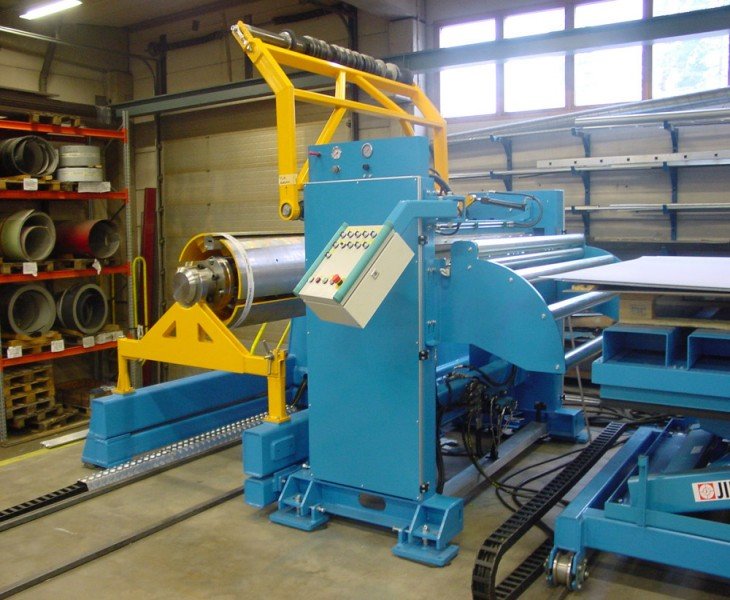
Do not describe a machine as fully automatic only because it includes a digital counter, variable-frequency drive or controller. The quotation and operating manual should identify every controlled function separately.
How Is a Coil Winding Machine Used in Production?
| Production Stage | Operator Action | Release Condition |
|---|---|---|
| Pre-Start Review | Confirm the drawing, material, mandrel, settings, safety functions and inspection criteria | No critical input remains unclear |
| Machine Setup | Install the mandrel, load the reel, thread the conductor and enter the approved settings | Mandrel, conductor path and settings are confirmed |
| Low-Speed Trial | Check rotation, feeding, guiding, counting, tension, braking and abnormal vibration | Initial machine behavior is acceptable |
| First-Piece Approval | Produce and inspect the first coil or approved first section | Turns, dimensions, arrangement, insulation and leads meet the criteria |
| Batch Production | Monitor defined process characteristics and record changes or interruptions | In-process results remain within the approved limits |
| Stop or Restart | Secure the conductor, record the machine and coil status, and verify affected parts | Restart or release is approved according to the procedure |
The same stored settings should not be transferred automatically between different conductors, mandrels or coil designs. Reconfirm the actual material, winding load, tension condition and finished-coil result whenever a production input changes.
Common Problems in Coil Winding Process
| Observed Problem | Possible Causes | Immediate Operator Action |
|---|---|---|
| Uneven Arrangement | Guide setup, tension, alignment or conductor condition | Reduce speed or stop at the approved point |
| Loose Winding | Low tension, payoff behavior or mandrel movement | Verify tension and support condition |
| Wire Breakage | Excess tension, damaged conductor, guide surface or reel blockage | Stop safely and identify the break location |
| Damaged Insulation | Guide contact, conductor edge, contamination or handling | Stop and inspect whether repair is permitted |
| Incorrect Turn Count | Counter setup, reverse logic or interruption | Hold the coil and reconcile the actual turns |
| Incorrect Direction | Setup or drawing-reference error | Stop and segregate affected parts |
| Layer Shift | Mandrel alignment, guide position, tension or speed | Stop and inspect axial movement |
| Incorrect Coil Height | Layer spacing, insulation buildup or arrangement | Measure against the defined checkpoint |
| Abnormal Vibration | Mandrel imbalance, load, support or spindle condition | Stop and inspect before restart |
| Coil Cannot Be Removed | Mandrel design, release allowance or deformation | Do not force removal |
Do not automatically attribute every winding problem to the machine. Review the drawing, conductor, insulation, mandrel, payoff, guide path, tension, speed, operator action and inspection records.
How Do Manual, Motorized and Programmable Controls Differ?
| Control Level | What It May Include | What the Operator Still Controls |
|---|---|---|
| Manual Winder | Manual rotation or basic counting | Speed, guiding, tension and stopping |
| Motorized Winder | Powered spindle, speed adjustment and counter | Guiding, insulation, leads and inspection |
| Programmable Winder | Stored spindle, traverse or other included settings | Setup verification, material and inspection |
| Automatic System | Project-specific automatic functions | Loading, supervision and acceptance where applicable |
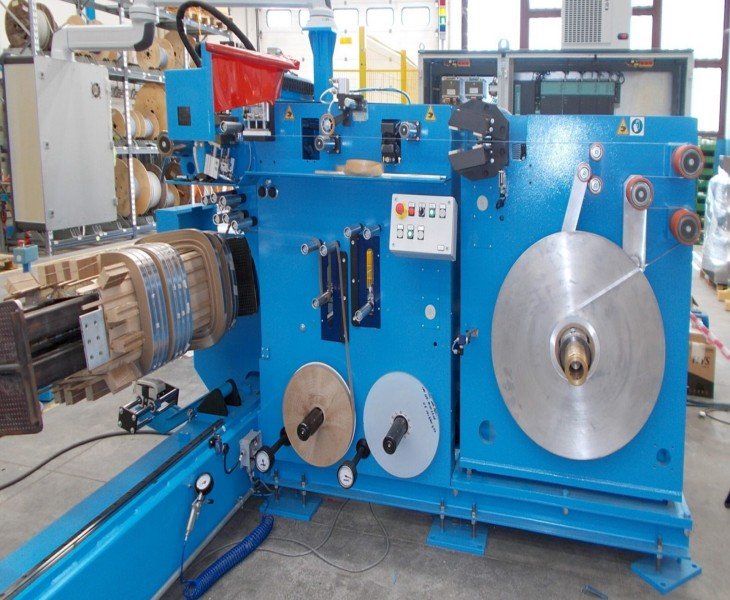
These are control levels, not fixed quality grades. A simpler machine may suit one approved coil, while a programmable machine may still be unsuitable if its winding load, mandrel interface, conductor range or guide travel does not match the project.
When Does the Existing Machine No Longer Match Production?
Review the machine configuration when the approved coil exceeds the available winding load, spindle torque, mandrel interface, guide travel, conductor range or workshop-handling capacity. A review is also required when repeated production cannot maintain the agreed turn count, dimensions, conductor arrangement, insulation position or lead location under recorded operating conditions. Machine replacement should follow verified production evidence rather than a general preference for CNC or automation.
How Should Changeovers and Interruptions Be Controlled?
| Production Event | What Must Be Confirmed Before Restart |
|---|---|
| Shift Change | Drawing, material, count, settings and open issues |
| Reel Change | Material, batch, reel direction and tension |
| Mandrel Change | Interface, locking, support and alignment |
| Product Changeover | Program, direction, count, guide and first-piece criteria |
| Wire Breakage | Break location, affected turns and repair method |
| Power Interruption | Counter memory, spindle position and conductor condition |
| Parameter Change | Reason, authorization and affected parts |
| Maintenance | Reassembled parts, guards and first-piece approval |
Batch production should not resume only because the machine can restart. Confirm the product status, machine status, counter value and affected parts before release.
What Production Records Should Be Retained?
| Record | What It Confirms |
|---|---|
| Drawing and Revision | Approved production reference |
| Material Batch | Conductor and insulation traceability |
| Mandrel Identity | Approved winding tool |
| Program and Settings | Recorded operating condition |
| First-Piece Result | Batch-release approval |
| In-Process Checks | Production monitoring |
| Interruptions | Breaks, stops and restarts |
| Parameter Changes | What changed and who approved it |
| Finished Measurements | Actual coil result |
| Nonconformance | Rework, rejection or hold |
| Maintenance Work | Machine condition and intervention |
| Operator and Shift | Production traceability |
What Should Be Verified Before Operators Accept the Machine?
| Acceptance Item | What to Verify |
|---|---|
| Machine Identity | Model, serial number and approved configuration |
| Mandrel Interface | Connection, support, alignment and removal |
| Winding Load | Agreed test load and operating condition |
| Direction and Speed | Forward, reverse and approved range |
| Turn Counter | Forward, reverse and power-off memory |
| Braking | Controlled stop under the agreed load |
| Tension | Supplied method and conductor result |
| Traverse | Travel, pitch and position where included |
| First Sample | Turns, dimensions, arrangement and leads |
| Repeated Samples | First, middle and final results |
| Safety | Guards, emergency stops and restart |
| Training | Setup, stopping, changeover and inspection |
| Documents | Manual, drawings, settings and parts list |
| Open Issues | Corrective action and final approval |
The acceptance record should distinguish confirmed, optional and unsupported functions. A digital counter, variable-frequency drive or controller should not be treated as proof of complete CNC automation.
Frequently Asked Questions
What Should Be Checked Before Starting a Coil Winding Machine?
Before starting the machine, confirm the approved drawing, conductor specification, insulation materials, mandrel or former, payoff system, tension method, turn counter, winding direction, operating speed, braking system, safety devices and first-piece acceptance criteria. The operator should also verify that the correct material batch, mandrel connection and machine settings match the production documents. Production should not begin when a critical parameter or inspection requirement remains unclear.
Can a Stored Program Guarantee Identical Coils?
No. A stored program can repeat the machine settings that are actually controlled, such as spindle speed, turn count, traverse movement or stop positions where included. Finished coils may still vary because of conductor batches, insulation thickness, reel condition, mandrel alignment, actual tension, guide condition, operator intervention and production interruptions. Repeatability should therefore be confirmed through finished-coil measurements rather than stored settings alone.
When Should the Operator Stop the Machine?
The machine should be stopped according to the approved operating procedure when the operator detects abnormal vibration, unexpected mandrel movement, wire breakage, damaged insulation, guide interference, incorrect counting, unstable payoff, unusual noise, braking problems or a safety alarm. The conductor and partially completed coil should be secured before inspection, and the cause and affected production stage should be recorded before restart.
How Should Production Restart After an Interruption?
After a wire break, power interruption, parameter change or emergency stop, record the interruption point and confirm the current turn count, spindle position, conductor condition, insulation condition and machine settings. The operator should follow the approved repair or restart procedure rather than resume production only because the controller or counter has recovered. The affected coil should be inspected and released according to the approved acceptance criteria.
Does CNC Control Eliminate Operator Inspection?
No. CNC or programmable control may execute defined settings or controlled movements, but it does not independently verify the conductor, insulation, mandrel, starting lead, finished dimensions, layer arrangement or surface condition. The operator still needs to approve the initial setup, inspect the first piece, monitor production and verify the finished coil.
Final Note
Using a coil winding machine successfully is not defined by whether a single coil can be produced correctly.
The real measure is whether the same winding quality can be maintained across different batches, operators, and production schedules. In modern transformer and motor manufacturing, that is often what separates stable production from ongoing adjustment and rework.