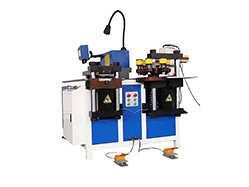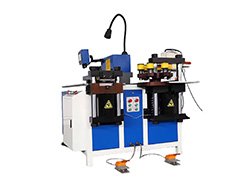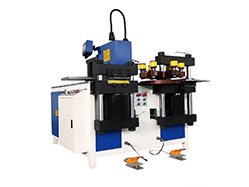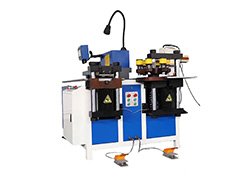
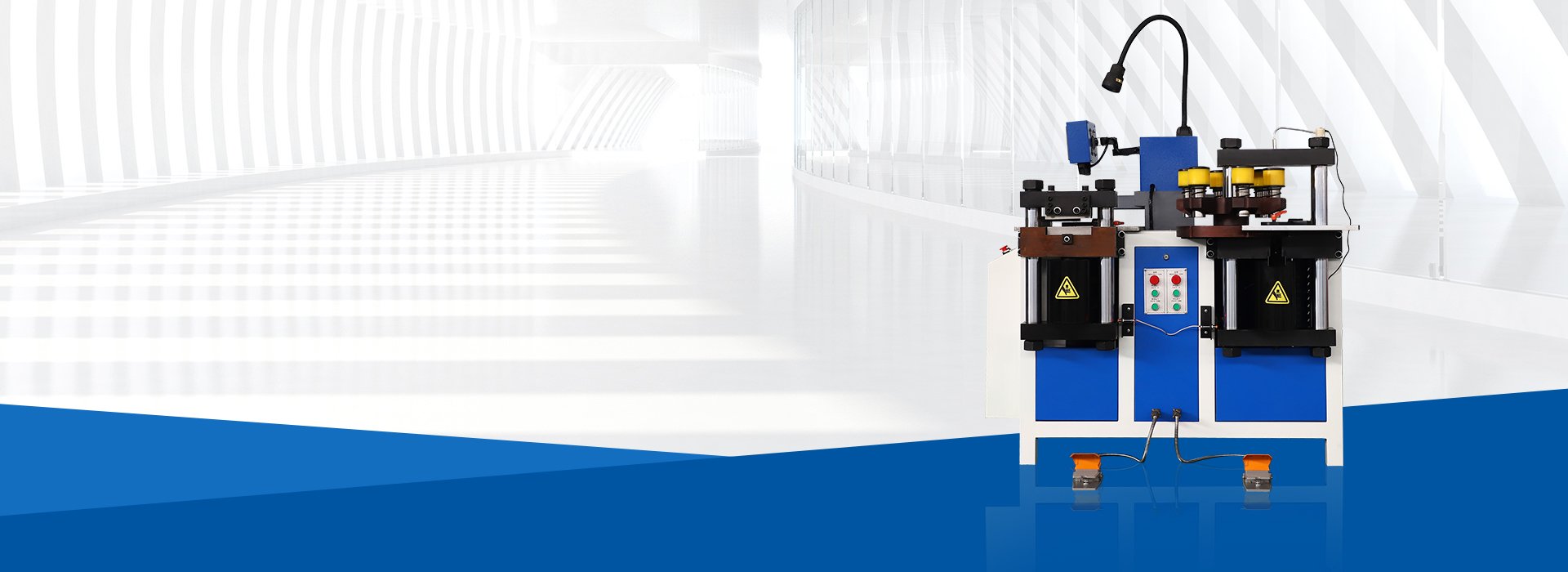
Busbar Machines for Cutting, Punching and Bending
FengHua’s current busbar machine range covers integrated processing models and application-specific configurations for copper and aluminum busbars. Depending on the selected model, the equipment can support punching, shearing, bending, CNC positioning, hydraulic operation or additional automation functions.
A machine name alone does not confirm whether it can complete a specific busbar drawing. Before selection, each required operation should be checked separately against the material, width, thickness, hole and slot dimensions, bending structure, tooling clearance and production requirements.
Compare FengHua Busbar Machine Models and Configurations
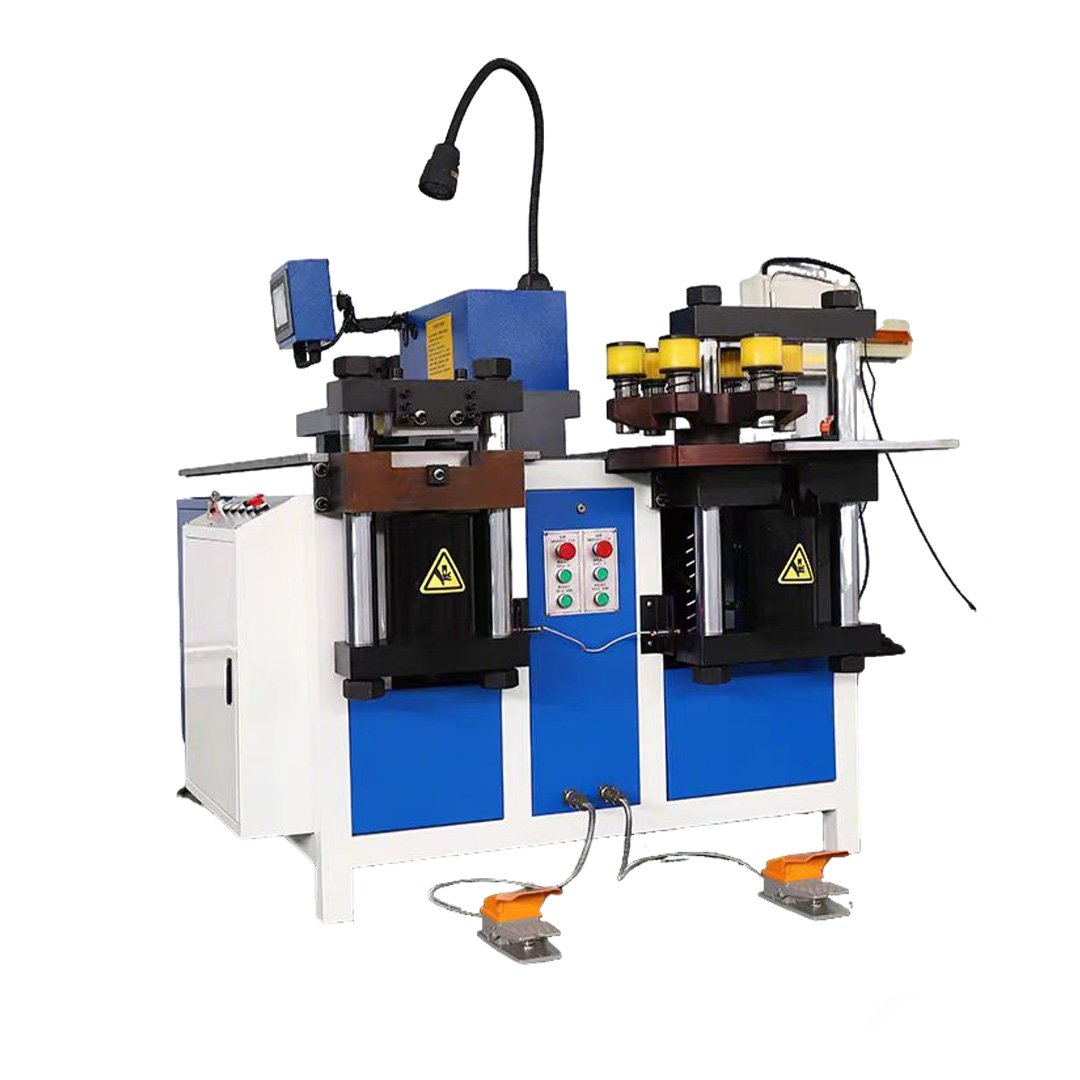
An integrated busbar processing machine for punching, shearing and bending copper or aluminum busbars used in switchgear and power distribution production. Confirm operation-specific capacity, tooling and station configuration against your drawings.
A compact integrated option for workshops that require punching, shearing and bending in one machine. Confirm the busbar material, maximum dimensions, required dies and positioning method before selection.
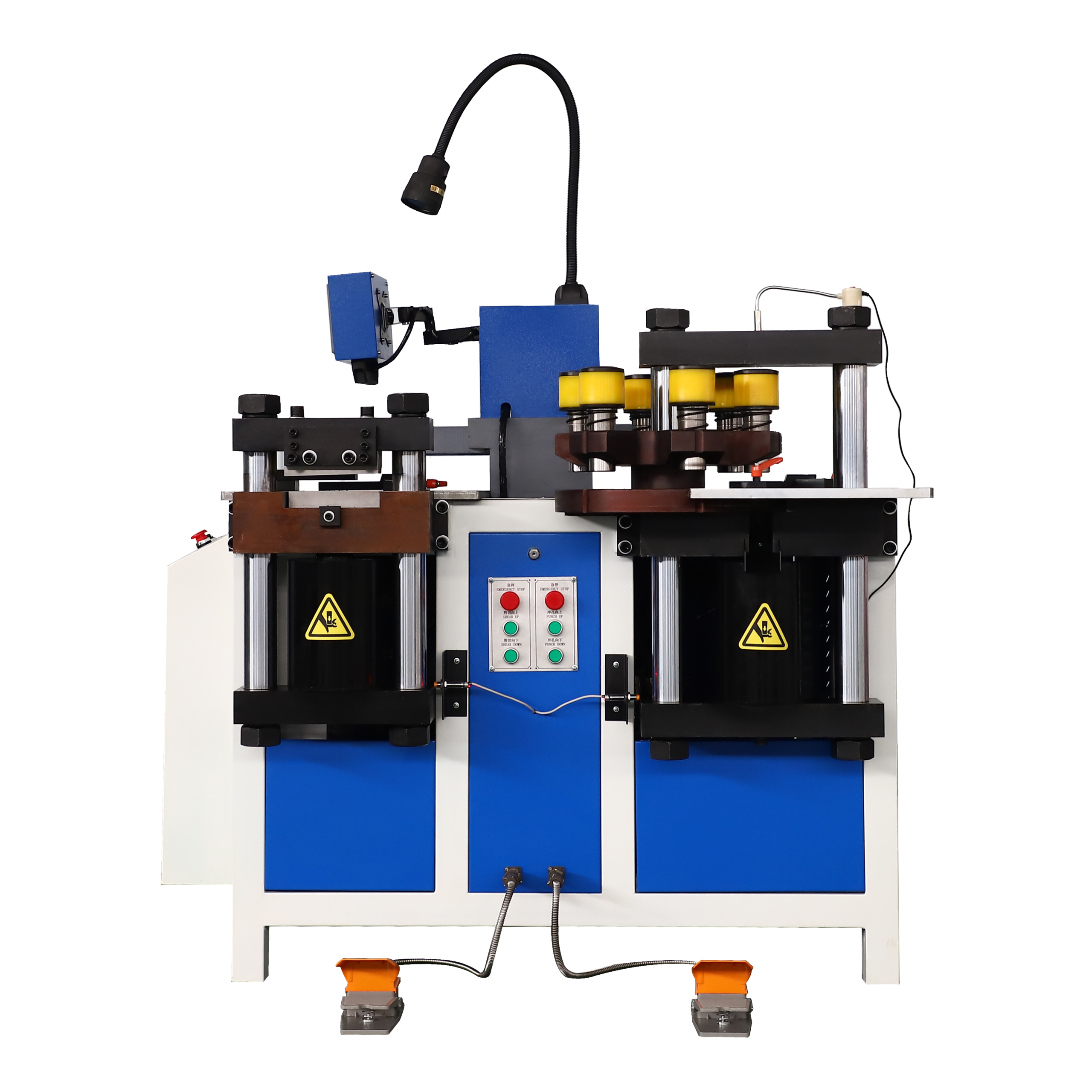
A heavy-duty integrated machine for larger copper and aluminum busbar requirements. Verify the capacity of each processing station, material-handling space, tooling and factory acceptance test conditions before ordering.
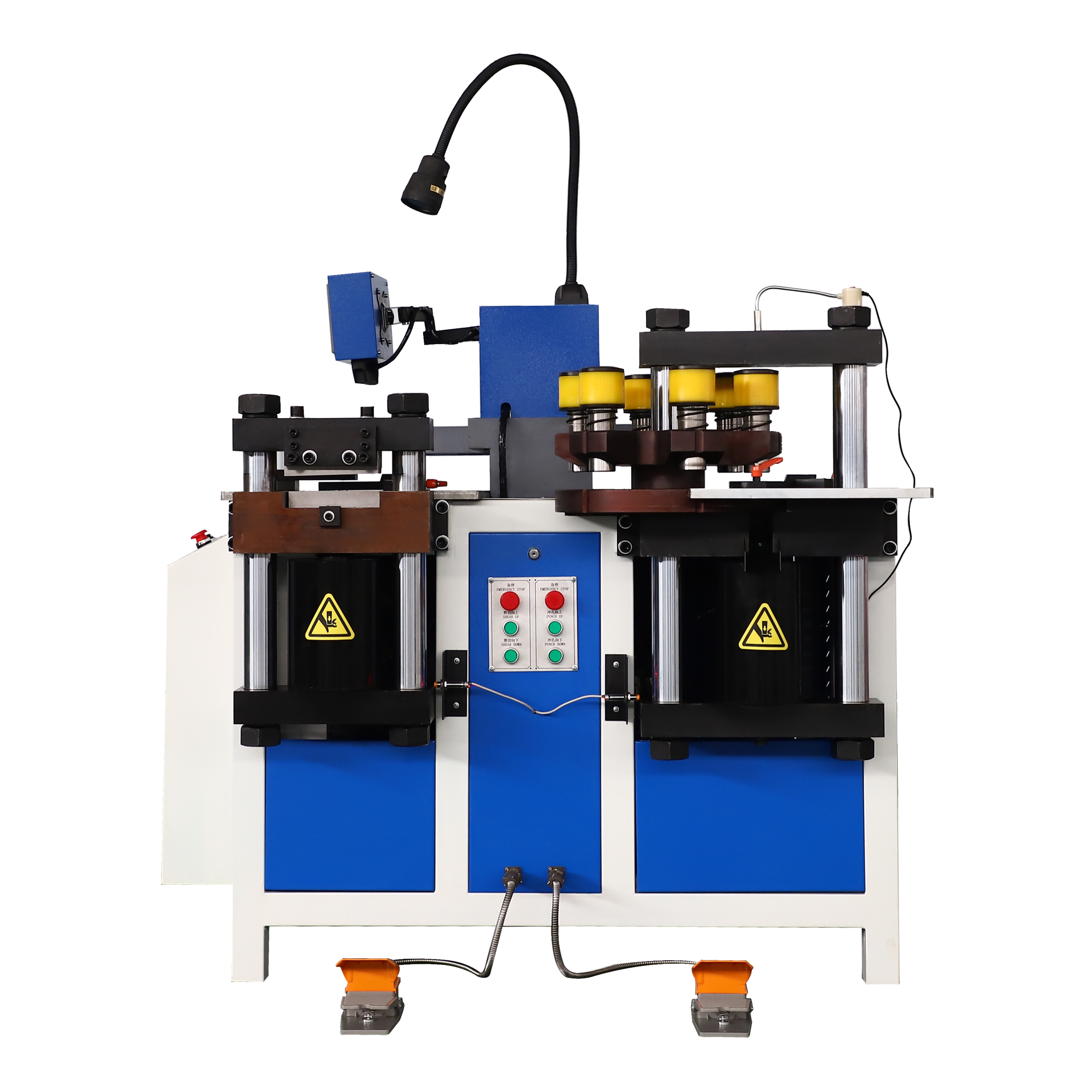
A busbar processing solution configured for copper materials, hole patterns and bending structures. Selection should be based on the copper grade, temper, dimensions, surface requirements and actual drawings.
A busbar processing solution configured for aluminum busbars. Confirm the alloy, temper, surface-protection requirements, tooling clearance and bending springback during the engineering review.
A hydraulic busbar machine for flexible punching, shearing and bending tasks. Confirm the positioning method, station independence, hydraulic configuration, cooling requirements and operator involvement.
A CNC-controlled option for repeated drawings, coordinate management and production-program recall. Confirm the controlled axes, positioning method, program functions and tooling setup before selection.
An automation-oriented busbar machine for recurring production. Confirm the exact loading, feeding, positioning, processing, unloading and inspection scope in the technical proposal.
How to Choose the Right Busbar Machine
The correct busbar machine depends on the complete production requirement rather than one maximum width, thickness or force value. Start by identifying the busbar material, drawing variety, required operations, batch structure, output target, positioning method and available workshop space.
| Production Requirement | Starting Configuration | Critical Verification |
|---|---|---|
| Flexible mixed orders and limited floor space | Integrated hydraulic or GJBM machine | Capacity by operation, positioning time and station independence |
| Repeated drawings and frequent changeovers | CNC busbar machine | Controlled axes, program recall, tooling and first-piece setup |
| Stable recurring orders requiring automated material handling | Automatic busbar machine | Actual automation boundary, complete cycle time and changeover |
| Copper-only projects | Copper busbar machine | Grade, temper, dimensions, die clearance and bending structure |
| Aluminum projects | Aluminum busbar machine | Alloy, springback, surface marking and tooling compatibility |
| Larger busbar requirements | GJBM803, subject to engineering review | Actual drawing, operation-specific capacity, supports and FAT sample |
These are starting selection directions, not performance guarantees. The final machine should be confirmed through drawings, operation-specific capacity review and representative sample testing.
Copper and Aluminum Busbar Processing Applications
FengHua busbar machines can be evaluated for switchgear, electrical cabinets, power distribution equipment, transformer connections, busduct production and new energy electrical systems. Each application has different requirements for material handling, hole positioning, bending clearance, surface protection and finished-part inspection.
| Application | Typical Requirement | Critical Check |
|---|---|---|
| Switchgear and Electrical Cabinets | Repeated breaker holes and cabinet variants | Hole position, drawing revision control and changeover |
| Power Distribution Equipment | Cutting, punching and bending for cabinet assembly | Finished dimensions, bend angles and assembly alignment |
| Transformer Connections | Wider, thicker or longer busbars | Capacity by operation, external supports and maximum-size sample |
| Busduct and Busway Production | Long conductors, offsets and edge bends | Straightness, edge-bending capability and material handling |
| Energy Storage and Charging Equipment | Dense hole patterns and compact bending structures | Clamp reach, edge distance, tooling and bend interference |
| Custom Busbar Fabrication | High drawing variety and mixed orders | Tooling flexibility, first-piece time and inspection method |
Verified Machine Functions and Configuration Options

Available voltage, tooling and machine options can be configured according to the confirmed technical requirements.

The hydraulic system supplies the force required for punching, shearing and bending within the confirmed capacity of each station.

Precise hole positioning ensures consistent busbar hole positions during long-term continuous processing.
-1.png)
Stable angle control during the bending process results in straight and neat busbar lines.
How to Compare Top Busbar Machine Manufacturers in China
There is no single authoritative ranking of busbar machine manufacturers in China. The right supplier depends on the required busbar material, dimensions, processing functions, tooling, production output, CNC capability, factory testing and after-sales responsibilities.
Before selecting a manufacturer, verify its legal company identity, current machine models, operation-specific processing capacity, tooling scope, factory acceptance test procedure, technical documentation, spare-parts availability and service responsibilities. Compare quotations using the same busbar drawings and technical requirement sheet.
For a source-based overview, read our guide to compare 10 busbar machine manufacturers in China. FengHua publishes the guide and is one of the companies discussed; the order is not a quality ranking.
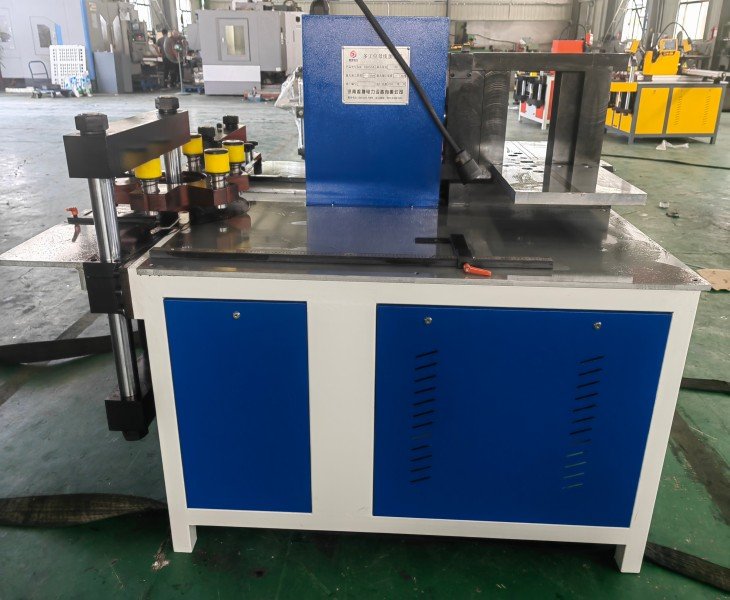
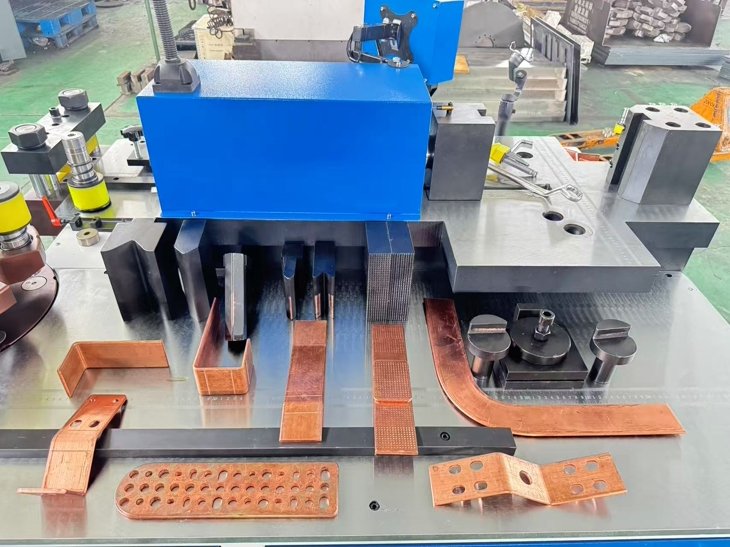
Hydraulic Busbar Machine Configuration
Depending on the selected model, a hydraulic power unit supplies the force for the punching, shearing and bending stations. Confirm the rated capacity by operation, duty cycle, oil-cooling method, safety-valve configuration and whether the stations may operate independently or simultaneously. Record these items in the technical agreement.
Busbar Machine Tooling, Testing and Customization
Before quotation, provide the busbar material and grade, common and maximum dimensions, required punching, shearing and bending operations, hole and slot details, bend structures, tolerances, batch sizes, output target and factory power supply.
FengHua can review the representative drawings and identify a suitable machine configuration, positioning method and tooling plan. Special holes, slots, offsets, U-bends, Z-bends and edge-bending requirements should be evaluated using drawings before capability is confirmed.
Before shipment, the selected machine, tooling and representative samples should be checked against an agreed factory acceptance test plan. The final technical agreement should record the machine model, operation-specific capacity, included tooling, electrical configuration, test method, acceptance criteria, documentation, spare parts and service scope.
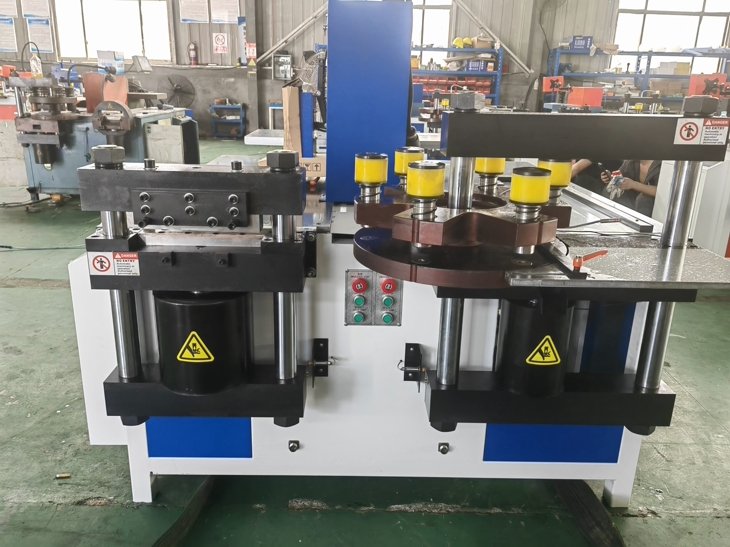
Fast Mold Change and Clamping Adjustment
Easily change molds and achieve more stable busbar clamping.
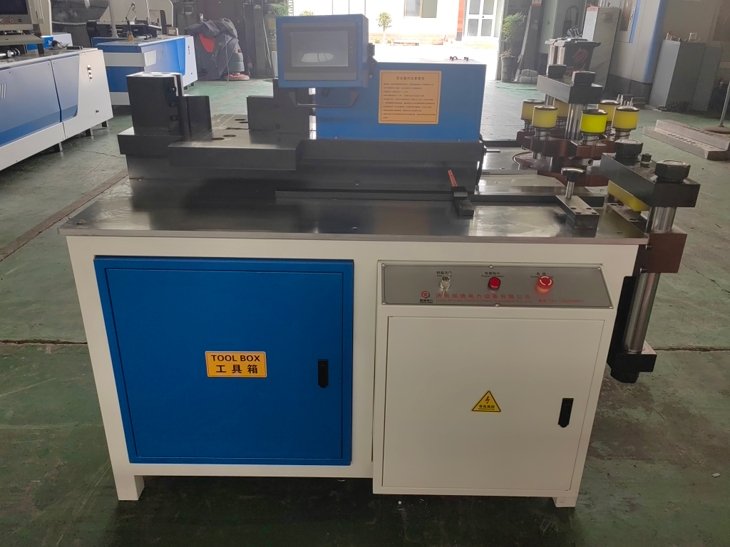
On models equipped with quick-change tooling, operators can install or remove compatible punching, shearing and bending dies without dismantling unrelated assemblies. The actual changeover procedure should be demonstrated during factory acceptance testing.
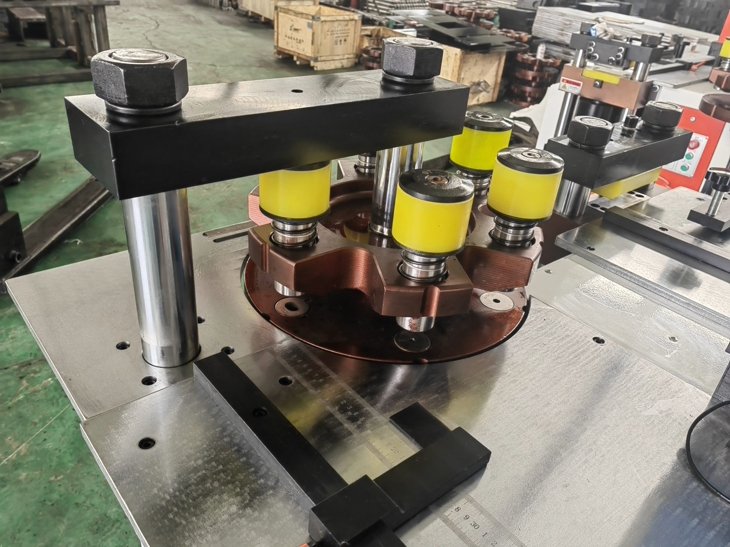
Clamping method and pressure adjustment vary by model. Confirm the supported busbar dimensions, material surface requirements, adjustment method and marking risk during drawing review and sample testing.
Provide the busbar material, grade and temper, common and maximum width, thickness and length, required punching, shearing and bending operations, hole and slot dimensions, bending structures, drawing tolerances, batch sizes, output target, destination country and factory power supply. Representative drawings are required for accurate machine and tooling selection.
Hydraulic describes the force-generation system. CNC describes the control and positioning capability. Automatic describes the level of material loading, feeding, positioning, processing and unloading. One machine may combine more than one of these characteristics, so the exact functions and automation boundaries must be confirmed for the selected model.
Some models can process both materials, but the same tooling and settings should not automatically be used for every copper or aluminum grade. Material hardness, temper, thickness, springback and surface requirements affect die clearance, cutting quality and bending results. Confirm compatibility using the actual material and drawings.
Integrated models can combine punching, shearing and bending stations in one machine. Confirm the capacity of each station separately and whether the stations can operate independently or simultaneously under the selected hydraulic and control configuration.
Compare manufacturers using the same drawings and requirement sheet. Verify the legal company identity, current machine models, processing capacity by operation, included tooling, CNC functions, factory evidence, sample-testing procedure, FAT criteria, documentation, spare parts, warranty and service responsibilities.
The FAT should record the exact machine configuration, drawings, materials, tooling and inspection method. Measure punching positions, cutting dimensions, bending angles, batch variation, program functions, changeover time and safety devices. The actual results should be included in the signed acceptance record.
There is no universally recognized independent ranking. Buyers should compare manufacturers by verified machine models, materials and dimensions, tooling, CNC capability, factory testing, documentation, spare parts and after-sales responsibilities. Our comparison guide reviews 10 Chinese suppliers using publicly available manufacturer information; its order is not a quality ranking.