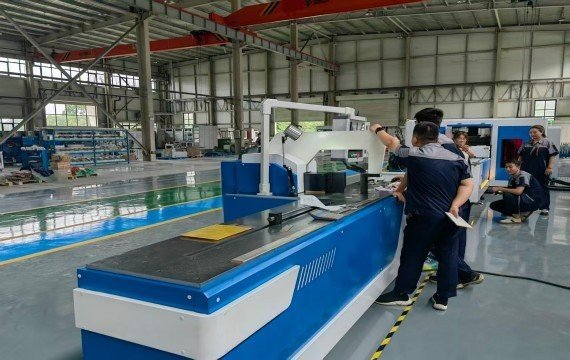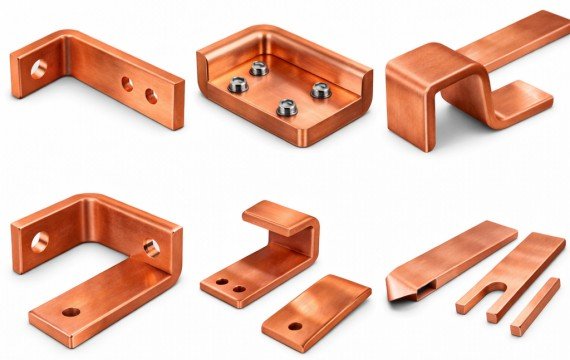
Electrical cabinets using cables often overheat, have complex wiring, and have unstable current. The busbar structure found in compact switchgear busbars allows you to replace traditional cable wiring with a busbar system; below, I will explain the function of busbars.
Why Busbar Replaces Cable Systems
With the compact loads found in electrical systems, traditional cable layouts can impact long-term operation, heat accumulation, and limited installation space. These are inherent limitations of cable-based distribution structures; systems utilize switchgear busbar structures, which allow for predictable power transmission.
Cable heating and resistance buildup
Cable heating and resistance issues in the design of industrial switchgear. Cable systems rely on multiple connection points—each generating resistance—leading to heat accumulation in confined spaces and resulting in heating problems.
Current flow instability in dense wiring
With cables, the current distribution within your equipment is uneven, current output. Certain paths within the equipment carry heavier loads, causing an imbalance in the cable system.
Transition to structured busbar layout
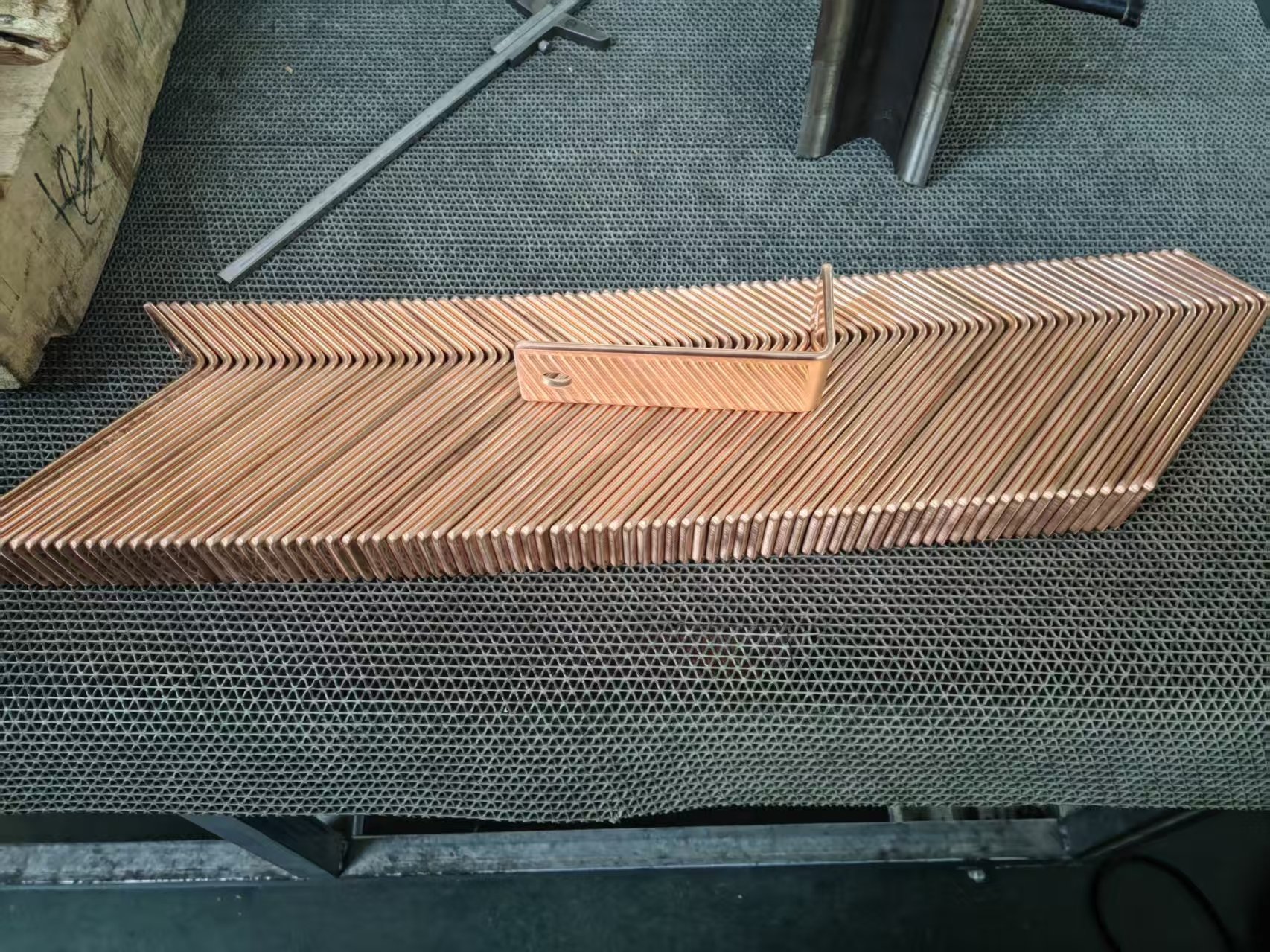
Replacing cables with busbars and shifting toward structured busbar layouts—experienced engineers prefer using rigid conductive structures; busbars provide fixed current paths, system architecture within your switchgear.
What is a Busbar in Electrical Systems
You use busbars in electrical systems. As conductors, busbars help you optimize power transmission, simplify internal layouts, and enhance the operational reliability of the entire system.
Basic electrical role
Busbars are electrical components. A busbar is a metal conductor used in industrial electrical cabinets.
Where busbars are installed
The installation location of the busbar is critical; it is installed within the switchgear. It is also installed in cabinets. Proper busbar installation can improve the internal wiring structure of your system.
Function compared to cables
Traditional cabling involves complex structures and messy wiring. Compared to traditional cables, busbars reduce wiring connections and provide stable current output.
How Busbar Does
Operating principles of busbars help you improve your equipment’s system performance. Busbars transmit current through power distribution paths in your equipment.
Conductive path structure
The conductive path structure of a busbar is uncomplicated; as a solid conductor, it transmits current along a fixed path, helping to reduce current fluctuations in your equipment.
Multi-circuit distribution behavior
The busbar employs a multi-circuit distribution method, distributing multiple outputs via direct internal branch connections.
Thermal properties
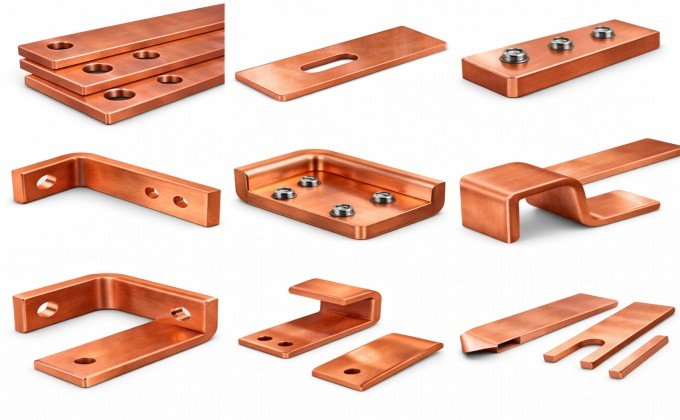
Busbar offers stable thermal performance; heat is distributed across its components with fewer hotspots in your enclosure.
Busbar Types in Industrial Systems
Your equipment’s material requirements, current-carrying capacity, and project specifications will all influence the choice of busbar type. Busbar system integration needs.
Copper busbar system
Copper busbar systems are used in high-current applications. Copper offers low electrical resistance, and using it transmission efficiency of your equipment.
Aluminum busbar system
Copper busbar systems are used for large-scale installations. Aluminum is lighter than copper, and using it can reduce system waste.
Busbar manufacturers
Busbar manufacturers provide custom manufacturing services, ensuring precise equipment dimensions for switchgear systems.
Busbar Selection
The right busbar materials or specifications. Your system’s performance requirements, operating loads, and installation environment will be considered in the design. Engineers’ current rating, temperature rise, and materials to determine the busbar best suited to your needs.
Current load evaluation
An engineer will conduct a current load assessment for your equipment by measuring the actual operating current; they will also take peak loads of the system design.
Thermal behavior in an enclosure
Thermal activity occurs within the equipment cabinet, and equipment performance; inadequate ventilation increases this risk, so for thermal balance.
Material decision logic
The logic of product materials differs: copper offers superior electrical conductivity, whereas aluminum helps reduce, depending on the performance level.
Busbar Manufacturing Factors
The performance of your busbar system depends on manufacturing quality. Machining precision, surface treatment, or production consistency can affect installation and electrical conductivity. Manufacturing busbar design.
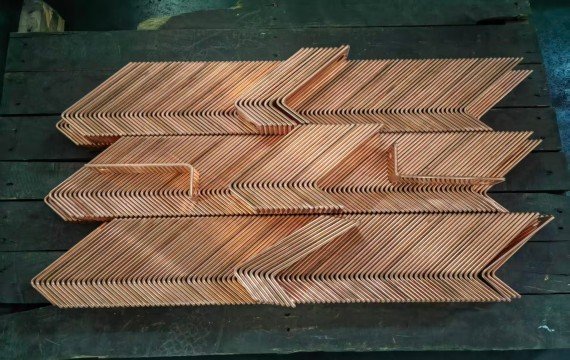
Precision forming
Manufacturing factors include forming; cutting accuracy affects product assembly. Bending must be considered for product installation issues.
Surface treatment quality
The surface finish requires an anti-oxidation treatment; using an insulating layer can enhance your equipment’s service life.
Production consistency control
Busbar production requires strict consistency and stability of your product. Industrial customers’ demand is the key to a busbar manufacturer’s reliability.
Industrial Application
Busbars are used in industrial sectors requiring continuous operation. Whether for switchgear systems or heavy industrial environments, using busbars helps you optimize current flow and reduce wiring.
Switchgear systems
The busbar is a component of the switchgear; it supports stable power distribution for your equipment.
New energy system
Can be used in new energy systems—specifically photovoltaic and wind power systems—to enhance the transmission efficiency of your equipment.
Heavy industrial environments
It is suitable for heavy-industrial environments, supporting the continuous, heavy-load operation of your equipment—including mining machinery and production lines.
Procurement Perspective
Selecting busbar product specifications. Supplier reliability impacts project outcomes. Procurement decisions should focus on the manufacturer’s overall capabilities.
Supplier stability requirements
When it comes to procurement, you must consider supply stability, enforce strict quality control for your products, and ensure delivery.
Customization demand
Customization is specific needs; standard off-the-shelf parts are usually insufficient, and the project calls for a flexible design.
Risk reduction in engineering
You need to manage engineering risks and employ sound design; selecting a reliable busbar manufacturer ensures the safety of your equipment system.
FAQ
Why do busbar joints fail under vibration conditions?
Failure of busbar joints under vibration is relatively common; prolonged vibration can cause bolted connections to loosen and contact resistance to gradually increase.
What causes a busbar system?
Uneven installation, unbalanced contact, and concentrated current density cause hotspots to develop in localized areas of your equipment.
Can busbars undergo surface treatment?
Yes, oxidation of the equipment will reduce connection conductivity and affect the service life.
How does short-circuit stress affect busbar structure?
Fault currents generate mechanical forces; inadequate deformation, so your peak short-circuit values.
Why do some busbar systems require insulation barriers?
Insulating partitions enhance the safety of the cabinet; they provide high-voltage clearances and utilize air gaps to reduce the risk of dielectric breakdown.
Final Thoughts
Busbars can replace complex cabling arrangements and enhance equipment efficiency. We recommend a busbar manufacturer and invite you to contact us.